Episode Transcript
[00:00:00] Speaker A: From Riverside Health System. This is the Healthy youy podcast where we talk about a range of health related topics focused on improving your physical and mental health. We chat with our providers, team members, patients and caregivers to learn more about how to maintain a healthy lifestyle and improve overall physical and mental health. So let's dive in to learn more about becoming a healthier you.
What if one simple question could change the way we care for patients, support healthcare workers and strengthen entire communities?
Today we're exploring the power of trauma informed and healing centered care and how programs like Riverside Health's Hand in Hand Hospital Based Violence Intervention Program are helping people move beyond trauma toward healing and hope. I'm Frankie Myers and this is Healthy U. Where we break down important health topics and introduce you to the experts helping keep our communities well.
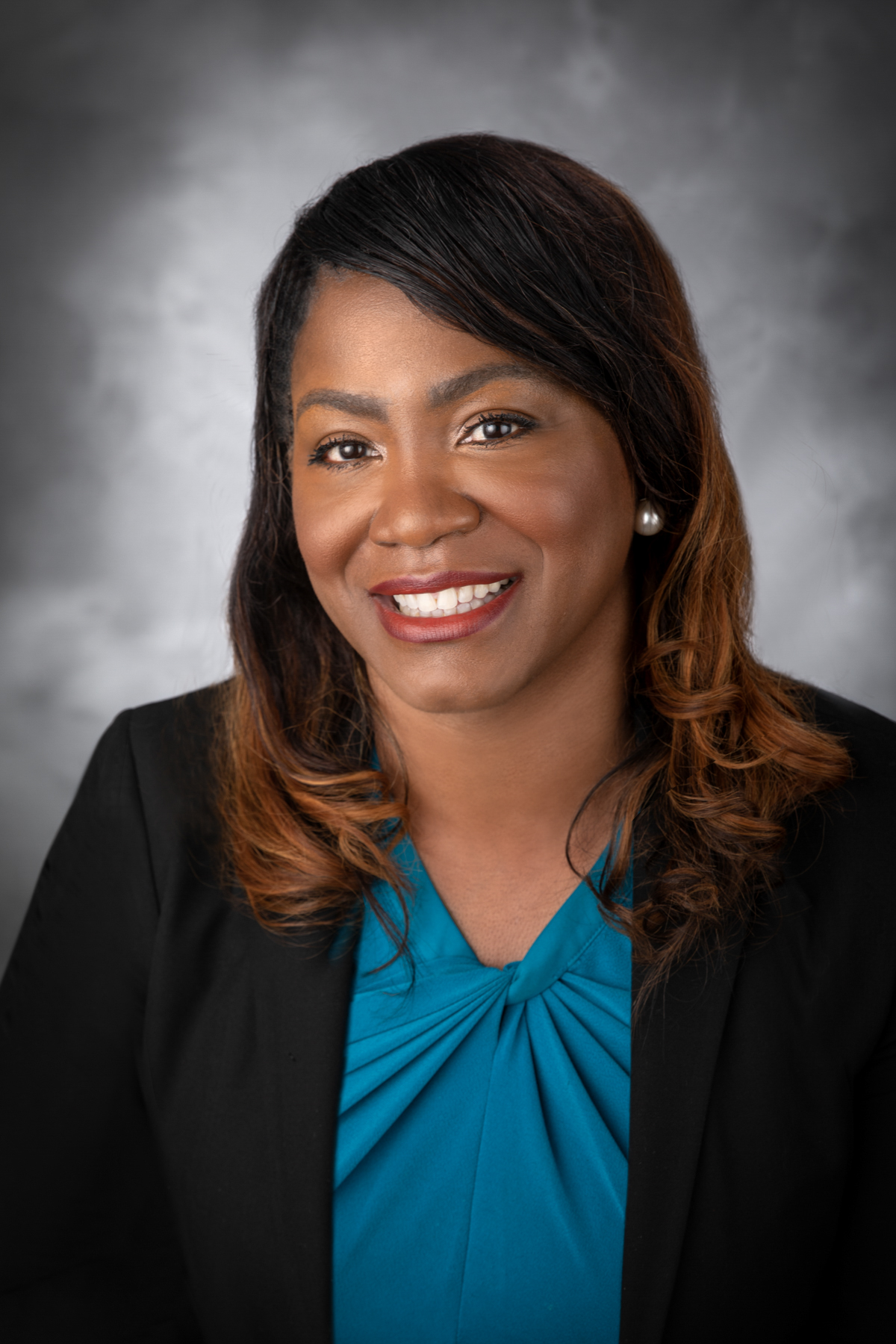
Joining me today is Naisha.
[00:00:57] Speaker B: Nisha.
[00:00:58] Speaker A: Nisha. Yes. See, I knew I was gonna get wrong.
Nisha Himes. Yes. Okay. Trauma liaison educator with Hand in Hand Riverside Hospital Based Violence Intervention Program.
Welcome to Healthy U.
[00:01:13] Speaker B: How you doing, Frankie? Thanks for having me.
[00:01:15] Speaker A: Doing well. It's good to see you again. I saw you doing week of the nurse. You came and presented to the nurses
[00:01:20] Speaker B: and we really had a great time
[00:01:21] Speaker A: and learned a lot to get us started. Tell us a little bit about your role with Hand in Hand program and how your work supports patients who have experienced trauma.
[00:01:33] Speaker B: Okay. Well first again, thank you so much for having me. Excited to be here talking about Hand In Hand. So I'll just do a quick overview of Hand in Hand and then just break down the roles, if that's okay.
[00:01:41] Speaker A: Yes.
[00:01:42] Speaker B: So Hand in Hand is the hvip. So the Hospital Based Violence Intervention Program. And we provide support to patients who have been victims of intentional violence. So that intentional violence encompasses community violence, gun violence, gang violence, workplace violence. That intentional violence, there's. When people have been involved in domestic violence, there's times where we help in that situation as well. So the key word is intentional violence. Yes. So we have a team of clinical intervention specialists, amazing group of people who provide case management, bedside support to those survivors, to those victims. Survivors and their families who have been impacted by intentional violence. So whether that's connecting them to resources in the community, providing that moral support, just being there through them, with them, through that process, it's just imperative to have somebody go through those steps with you. We have a trauma therapist. Her role is to provide support that acute trauma therapy and it's complimentary as well. So to the victim, survivor and their family as well. Through that process, we have A peer support specialist. He's a gun violence survivor. And he's just like that big brother. If I need you to go to the grocery store with me or just talk to me or just sit with me, then that's his role. And then my role as the trauma liaison educator, again, hand to hand, grew so much in the last two years or so. So my role is brand new. As well as the trauma therapist and the peer support specialist, but my role is more so staff facing, community facing.
So I'm providing support, education, wellness to our providers, our staff. So I'm talking to them, offering trainings on trauma, violence prevention, compassion, fatigue, burnout, and then doing the same with the community as well. Whether it's speaking at the schools, speaking at the social services, human services, speaking, the juvenile detention center, and just providing education on trauma, because a lot of people don't know what it is, don't know how it's impacting them, don't know the root to a lot of things that us as individuals or as a community are going through. So how it just connects is just that I'm helping you dig up those roots and then helping you put the pieces back together and then just trying to provide that.
[00:03:56] Speaker A: Sure.
[00:03:56] Speaker B: That there's a way forward.
[00:03:58] Speaker A: Yeah. Thank you so much for what you do and your team, and I'm glad you clarified that. Intentional violence, I think we all have in our mind what we think is trauma and what's violence, and it doesn't always fit what we think. It's not a car accident. You know, those. Those things. To your point, it could be those other things which have a lasting impact. And I'm so glad to hear the school systems incorporating this as well, because it really impacts how children behave.
Right. And we're disciplined in them not knowing that there's some sort of intentional violence that may be driving that behavior.
[00:04:36] Speaker B: Exactly.
[00:04:36] Speaker A: I don't know if you want to elaborate on what I said.
[00:04:38] Speaker B: Yeah. As far as with the youth just. Just even adult.
[00:04:41] Speaker A: Right. But. But I know the schools are starting earlier to kind of incorporate programs like
[00:04:48] Speaker B: this to help, and I. I really appreciate those who have invited me to come out and those who will just. If y' all listening. Yes, I have me come out. Right. Because a lot of our youth have so much to say. They've gone through a lot of different things. We have real, real conversations just even asking them, well, what does a healthy relationship look like to you? What does a healthy home environment look like?
Ask five different adolescents and you get five different answers.
[00:05:15] Speaker A: Absolutely.
[00:05:16] Speaker B: You know Talking to adults who don't realize that the things that they went to, through as children have affected the way they parent.
[00:05:23] Speaker A: Absolutely.
[00:05:24] Speaker B: You know, have affected the way that they show up in the lives of their partners or themselves or their co workers.
And just looking at. To your point, that trauma looks different for everyone. And one thing that may be traumatic to someone, like a car accident.
[00:05:37] Speaker A: Right.
[00:05:37] Speaker B: God forbid we leave here and we both got into a car accident. I may never want to get behind the wheel again. And you might turn into a NASCAR driver the next day. And it's just like. And it's less. Trauma is less about the event itself and more about the impact.
So it impacts us all differently. So having these conversations and digging, getting from underneath the rug, because a lot of times we sweep things.
Acting like it doesn't exist or just not acknowledging that it exists and it doesn't help get to the other side, which is where that healing comes in.
[00:06:08] Speaker A: Absolutely. What stands out to me is that this doesn't have to be about treating just the physical. As I mentioned, it's about treating the whole entire person.
[00:06:19] Speaker B: Right.
[00:06:20] Speaker A: And you know, I love you, mom, but some of those things growing up that I said I wouldn't do, I have those same characteristics or attributes.
The good thing about it is I'm aware.
[00:06:31] Speaker B: Right, right.
[00:06:31] Speaker A: The awareness.
When you're aware, you can change behavior. Absolutely.
[00:06:36] Speaker B: When you. That's a good point. When you're aware, you can change it. And we have to know that time to be aware. You know, just pretending that it's not there doesn't make it go away.
[00:06:47] Speaker A: Absolutely.
And that's really what we're exploring today, how understanding a person's experience can change outcomes, not only for patients, but for families and communities as well. So when people hear the word trauma, they often think, like I just mentioned, major crisis, catastrophic event.
How do you define trauma?
[00:07:11] Speaker B: Trauma in a nutshell, That's a whole nother podcast. But trauma in a nutshell, you can come back.
[00:07:17] Speaker A: You come back.
[00:07:18] Speaker B: We do a whole series.
[00:07:19] Speaker A: Exactly.
[00:07:20] Speaker B: Y' all heard her say it. Y' all heard her say it.
[00:07:22] Speaker A: My day. With a smile like that. You can come back anytime.
[00:07:25] Speaker B: Yes. But trauma in a nutshell is an event or a series of events that are deeply distressing, harmful, threatening, life threatening, whether emotionally, physically, psychologically. It can be something that's occurred when you were 2, 3, 4 years old that's still impacting you Right. When you're in your 50s or 60s. But it's just that distressing event or series of events that have affected you in one way, shape or form.
[00:07:50] Speaker A: Okay, okay. Many people may not connect their life experiences to their health. Why is the connection so important?
[00:08:00] Speaker B: The body is really just this amazing thing and it all, it all ties into each other.
[00:08:07] Speaker A: Right? Right.
[00:08:07] Speaker B: And when you think about, okay, I went through something, maybe I was abandoned as a child by a parent and then now I as an adult have abandonment issues in relationships, I'm the type of person that's going to leave a relationship first. Maybe I'm closed off, maybe I don't trust and form bonds easily. Maybe I'm kind of withdrawn or antisocial as people may think. But if you go to therapy or start going and uncovering roots of that and you're just like, well, maybe that did stem from years ago when such and such parent left me and I didn't know that it impacted me. Now you know, or if you grew up in a household, there was neglect or abuse and you might find yourself in a relationship like that years down the line. Because that's what you learned what love looks like. That's what you learned that a household and a healthy environment looks like. And oftentimes something I always say is we learn to function and dysfunction.
So if that's what you're taught, that's what you are raised to believe and then you carry on those cycles in your own life and your children and your grandchildren and no one stops to say, oh, well, I don't think this is right, but I don't know any other way.
It's just some of the ways that trauma and just the things that we go through in our lives can impact us.
[00:09:25] Speaker A: That's a good point. And then, you know, sometimes within families you try to rationalize those things, right?
[00:09:31] Speaker B: They say, oh, this is normal, or
[00:09:33] Speaker A: everybody goes through this. And sometimes that makes it harder to process or resolve.
[00:09:38] Speaker B: Especially when you look at culturally, like sometimes you got in black and brown communities, what happens in the home stays in home. Or if you have just. If you're a man, regardless of age, race or anything like that, and you're taught you're supposed to be strong and stoic and you don't cry.
And when we think about that, you imagine a set of twins, like four year old children, a boy and a girl, and they're running and they trip and fall at the same time, you're probably gonna run to that little girl and coddle her and pick her up and kiss her and say, it's okay, it's all right, give me a kiss, give mommy a kiss. Give daddy a Kiss. And then the boy, you're a big boy, you're a man. Don't cry. It's okay, just brush it off. And from that young they're taught, oh, I don't show emotion. I'm supposed to be, I'm supposed to keep that in. I want to cry, but I'm supposed to be strong. And this is a 4 year old child. But then that 4 year old child becomes a 10 year old child and a 15 year old child and then a 20 year old who doesn't know how to express his feelings or in a healthy way, share that he's frustrated or angry. And it goes back to the cycle.
[00:10:46] Speaker A: I'm extremely claustrophobic. And about 15 years ago I realized why. I was 10 and one of my friends was drowning. She was drowning and I went in to save her. Obviously I didn't know the formal technique, so I didn't go from behind, I came from the front and she took me and went, use me as a float. And we both were drowning. Somebody saved both of us.
[00:11:06] Speaker B: That's true.
[00:11:06] Speaker A: I'm extremely claustrophobic.
[00:11:09] Speaker B: How old were you at the time?
[00:11:10] Speaker A: I was 10 and my sister was like, don't, don't, don't get her. I'm gonna go get someone. But I just, that's probably why I'm a nurse today. I just jumped in to get her.
[00:11:17] Speaker B: Yeah.
[00:11:18] Speaker A: And when I tell you I tried and I'm a, I was a great swimmer, but I could not get her claws off of me. So never claws or hands.
[00:11:25] Speaker B: But yeah, but I'm sure in that moment it felt like claws because you couldn't escape. And then being 10 years old and, and that's really. We joke, but that's probably why you became a nurse. When as a result, you can't hold
[00:11:36] Speaker A: me down, I like panic. But it was from that experience.
[00:11:39] Speaker B: I had a similar experience around that same age where my uncle shout out to my uncle, I was just talking to him about this. He threw me and my sisters in the pool when we were little, like to swim. That's how you taught him how to swim, Right? But no, I'm terrified of water to this day.
And I said, I really think it's about. You threw me in that pool. 10 years old and maybe younger and just like, I can't breathe, I can't. And you feel that lack of control and a lot of trauma survivors. You feel like a sense of control and safety has been taken from you and that travels with you or can travel with you throughout your life.
[00:12:14] Speaker A: Yes. I have to do a mental exercise in an elevator now because it's closed in. But yeah, I realized it was. It was that, that experience.
[00:12:23] Speaker B: See.
[00:12:24] Speaker A: All right. We talked about the. What trauma is and how it can affect a person's health.
We often hear terms like trauma informed care, trauma response. Right.
And healing centered care.
[00:12:39] Speaker B: Yes.
[00:12:40] Speaker A: Can you explain what these mean and how they differ? Because they sound.
[00:12:44] Speaker B: They sound similar.
[00:12:45] Speaker A: Right.
[00:12:46] Speaker B: Interchangeably.
[00:12:47] Speaker A: A little bit.
[00:12:47] Speaker B: If I could like say in a nutshell.
So trauma informed is what you know.
Trauma responsive is what you do with what you know.
And healing centered is how you help those people along the way move forward, if that makes sense. So to go deeper, Trauma informed is. I know what trauma is.
I've read up on it. I work with people who have experienced trauma. I know that this might be a trigger response.
This might be a trauma response. I need to talk to them this way. I am not going to judge them. It's going to be more about what happened to you and less of what's wrong with you. Right. Trauma responsive is all right. I want to do something with what I know. Having an HVIT program, you know, shameless plug. But having a. I think every hospital should have a hospital based violence intervention program. And this is someone not just doing the work that I do, but as a survivor of domestic violence. So having.
Having to been in spaces in the healthcare system where interacting with people who were not trauma informed.
[00:13:54] Speaker A: Right.
[00:13:54] Speaker B: And not trauma responsive. So trauma responsive is okay. I know I work with people who have dealt with trauma or I'm going to interact with people.
So what can I do to help change policies or procedures as it relates to working or being around this demographic of people.
So like having a space where someone who has gone through gun violence or some sort of intentional violent crime coming into the hospital can be very triggering. Trauma responsive might be. All right, instead of meeting you at the hospital, we have a meeting space somewhere else. Maybe we have a soft interview room with couches and fountains so you can hear water and things that are calming, calm lights. Or maybe I will involve you in your safety plan. Not just tell you what we're gonna do, but give you the autonomy to make your own choices and, and say, well, how would this help you? How can I help you? And then involve them in that process. And then healing centered is essentially seeing the person beyond their worst day, beyond their worst moment, beyond what they've gone through. So when we work with victims of survivors, I always go through victims and survivors because saying survivor is more trauma informed. Right. So survivor. So working with them and seeing them beyond their worst moment or working with kids in the juvenile detention center. I see you beyond the mistakes that you made or the decisions you made, understanding that there are years of trauma that may have led to those decisions.
So again, it's what we know, what we do with what we know and how we help the people along the way.
[00:15:28] Speaker A: Not being judgmental, but understanding that.
[00:15:31] Speaker B: Absolutely. Yep.
[00:15:32] Speaker A: So true. Why is it important for organizations to move beyond simply recognizing trauma and more towards trauma responsive and healing centered approaches to care?
[00:15:44] Speaker B: Because, I mean, we all know something. It's like what we gonna do with what we know, right? Like what are we gonna do with what we know? It's like if you're, if you, if you got this street light, right, and you know that the red light, it's faulty and you see it and so you're like, okay, I'm aware that this light, there's something wrong with it. So I am going to be more careful crossing the street because I know there, there's something, or I'm going to be more careful driving through that light. But being responsive might be. I might need to write a letter to the city or whoever I need to write because we need this light fixed so that it's not just me being aware of it, but I want to help. It helps the masses. It's not just about me recognizing, it's what do I do with what I know and how do I help change it so that it's helping other people along the way.
[00:16:32] Speaker A: Point. Good stuff. Good stuff.
[00:16:34] Speaker B: That's right.
[00:16:37] Speaker A: Why is the hospital such an important place to implement this work?
[00:16:42] Speaker B: Because we often worst day, like unless you're having, you know, doing something beautiful like giving birth or something like that. But a lot of people come to the hospital, you don't feel well, right? Or something, somebody is hurt, something is hurt, you're hurt. And how to be trauma informed. And having people feel safe around you and feeling like, okay, I know that I have no control over what's happening right now, but you make me feel safe and you make me feel like I can trust at least you and this system and this process because it's very overwhelming, it's scary. And then especially if you've gone through things before, you know, or maybe the hospital again, it's already a place that you might feel anxiety. And now I don't want to come here and feel like I'm a burden or you're just rushing me or you're not seeing me. I'm Just another name on your chart until you can get through your shift. But it's seeing the person beyond just more than a file right on your desk.
[00:17:46] Speaker A: That's so true. What kinds of support and resources are available through hand in hand?
[00:17:51] Speaker B: Oh, we do so much, but I really appreciate just again the case management. Providing case management for up to a year, because that's not heard of. Oftentimes you may have resources and there's a lot of great resources in the community, but we always need more resources, Right. And then the resources can only do with what they have. So a lot of times resources may provide three months of support, six months, if that. But to be able to provide up to a year support and whether that's connecting you with shelter, connecting you with food pantries, connecting you with people who provide substance use treatment, mental health. We have again our trauma therapist who's working with patients who are just like, I just need someone to talk to and walking them through that journey. And then also having our peer support specialist who again is just that mentor that. I'm not judging you. I've been through what you've been through because we see a lot of especially gsws, gunshot wounds victims. Right. And having someone who said, I'm here, I understand why you may have that anxiety or where you may have that panic attack or you don't want to walk into this space, but I'm here walking that with you. And then for me, I just, my role is so unique because when I came in and it was just like,
[00:19:08] Speaker A: all right, I'm going to tell these
[00:19:09] Speaker B: doctors and these nurses and the staff, listen, this is what you need to do, right? And like, how am I going to infiltrate?
[00:19:16] Speaker A: Right?
[00:19:16] Speaker B: But I'm just going to smile and be like, let that go. Yeah. And I just started winning the vote, Right?
[00:19:22] Speaker A: Right.
[00:19:23] Speaker B: Smile. I'm going to smile until you smile back. But you know this. A lot of times I feel like when you're a caregiver, when you're a helping professional, you get put on the back burner a lot of times, whether that's just society expects you to be the hero.
[00:19:37] Speaker A: Yes.
[00:19:38] Speaker B: Who wants to see a nurse breaking down? Right. Who wants to see a doctor say I can't do it or someone else, another staff member, just I'm calling out, but we're human, we're not robots, we're not machines. So when you're experiencing burnout, compassion, fatigue, vicarious trauma, secondary trauma, and I think in my role, I'm able to help them connect the dots because I can't tell you how many times they're like, I didn't know that that was compassion fatigue, me not sleeping, me having headaches, me having that lack of empathy. And whereas I was passionate about this before, now it's just like, I don't feel like going into work today, you know, but it's getting to the root, saying, no, you might be exhausted and burnt out and you're consistent to just go and go and go. So I'm going to show you. No, it's okay to take this break in this pause. So it's creating this wraparound system and this ecosystem where we're taking care of the people who are taking care of the other people so that everyone is thriving.
[00:20:41] Speaker A: That's good stuff. Thank you.
What resources are available to Riverside team members just to expand on some of the things you just mentioned, who want to learn more about trauma, informed trauma, responsive and healing center practices?
[00:20:56] Speaker B: First of all, show up to my my lunch and learns.
We're signing up for the next one. So something I created, I created monthly Lunch and Learn. So they're virtual and you can join from wherever you are. And I offer them to the internally and the staff, the providers as well as to the community. And they're on different days. So the staff, I was like, well, I'm not going to get them to join for an hour. So let me get you it. 30 minutes.
[00:21:22] Speaker A: And they'll.
[00:21:22] Speaker B: And we'll talk about everything from Trauma 101. Talk about, you know, gun violence prevention, community violence. We talk about just all the different things. One of my most popular ones is the cost of caring.
And we unpack compassion fatigue, burnout, vicarious trauma, secondary trauma. So those are workshops available virtually but also in person. I've had where just like you saw me at that event where we. The. The wizard of Oz theme. Yes. And it's just I'll come to your department, your team in person and have these workshops which I love to do, as well as in the community. But also as far as the services our team provides, we've had staff members who reached out for support because again, we're human. We go through things. So staff members who have unfortunately been victims of or families of people who have been impacted by intentional violence, and they're seeking support as well. And our team is able to provide that confidential support to them also.
[00:22:19] Speaker A: Okay. I need to have you come to one of my leadership meetings.
[00:22:22] Speaker B: I will.
[00:22:22] Speaker A: Yes. Because we have to stay motivated ourselves to be able to support others. So would love to have you come in the future I would love to.
This is absolutely great information and thank you. How can trauma informed care help patients feel more comfortable seeking care and following through with treatment? That's so important.
[00:22:42] Speaker B: Right. Because I need to, they need to trust us. And I'm sure we've all gone to the doctor before.
We've all been in the hospital or been to a hospital before. And now when you think about the information that comes out, right, we can all read our my chart.
[00:22:58] Speaker A: Right.
[00:22:59] Speaker B: And see things before someone even explains it to us. And that can be very frustrating. It can be very overwhelming. And when you have someone who will sit down and look you in your face and understand you and understand what you may be feeling and what you're going through and can empathize with you and it creates that safe space. I want to feel like I can trust you when I'm in a very vulnerable position or my family member might be in a vulnerable position. And it's like our model says, right? Caring for others the way we care for those we love.
So how do I make you feel like I'm someone that loves you and that cares and that's where that trauma informed care comes in. I see you, I see you beyond what you're experiencing today and I want to help you along that journey.
[00:23:48] Speaker A: And I think you're extending that because to trust you, I need to see you before I need you.
[00:23:54] Speaker B: Right, right.
[00:23:54] Speaker A: That helps with that. And so for you to be out in the community, absolutely. Educating and helping the community understand what they this means is very helpful to our system. So thank you.
What would you say to someone who doesn't realize that trauma may be affecting their health today, which, you know, we
[00:24:13] Speaker B: all have a little probably trying to think, what can I say?
[00:24:17] Speaker A: You know, like I think you've said a lot of it. You know, I think, I don't think, I know this podcast is going to help because yeah, you've, you've identified things
[00:24:28] Speaker B: that we don't even think think of
[00:24:29] Speaker A: potentially that may be causing trauma, may have caused trauma to us.
[00:24:34] Speaker B: One of the questions I always ask in like one of the workshops when I'm talking about the trauma and the self care and all of that. And I ask a multiple choice question asking what is a barrier preventing you from prioritizing yourself? And the answers I give are lack of time, others, guilty, not knowing where or how to start, and just fill in the blank. So there's always someone who says guilt, feeling guilty or lack of time. So then I'll point out, I said, you know, there's Two types of people in the world.
Those who fill up their gas tank halfway, and then people like me where it's like, miss, I know my car, and my car will tell me I have 13 miles left to empty. And I know I gotta go somewhere 25 miles away. And I'm like, I can make it right.
And then talk, picking on this person. And I'll say, so when you go get gas, how do you feel? Right, I feel fine. Do you feel guilty? Well, no. If you were on E today and you needed to get home, what would you do? I would stop and get gas. And so you make time to do it? Yes.
[00:25:37] Speaker A: Why?
[00:25:38] Speaker B: Well, because how do I get from point A to point B? I need my car to keep going until it can't go anymore. I said, so how does the same thing not work for you? Like, we won't prioritize ourselves, make the time to take care of ourselves, but we'll take care of that piece of metal in our driveway. So. And sometimes that's trauma, where you feel like, I just gotta go, go, go. I've been conditioned to take care of my family. I've been conditioned that my say, you know, I put me at the bottom of the list. I've been conditioned to just be the survivor, the strong one. And sometimes strong is not a badge of honor necessarily.
It's okay to just stop and say, well, what about me?
[00:26:16] Speaker A: Right. And sometimes role modeling, just doing it will help change.
[00:26:21] Speaker B: Right.
[00:26:22] Speaker A: What people expect of you, I think.
[00:26:24] Speaker B: Right?
[00:26:24] Speaker A: Absolutely. You can talk about it, but then if you do it.
[00:26:26] Speaker B: Boundaries.
[00:26:28] Speaker A: Absolutely. And then some of it's generational. You see your mom or your parents, your. Or whoever raised you do that, and you just think that that's the way you should be.
[00:26:36] Speaker B: Absolutely.
[00:26:37] Speaker A: Putting others first. But I agree. Prioritizing self so you have something to give others is so important.
[00:26:45] Speaker B: Absolutely.
[00:26:46] Speaker A: How can everyday people help create more healing, centered communities?
[00:26:50] Speaker B: Oh, that's good. I think having conversations.
[00:26:53] Speaker A: Yes.
[00:26:54] Speaker B: And. And not being so judgmental and not assuming. And it's about being curious and asking questions. We don't know what people go through. We don't know what they've been through. We don't know what they're dealing with at the moment. And sometimes that person who is screaming and you're just looking at them like, what's wrong with them? No. What happened to them? Perhaps they just lost someone they really loved and cared about 10 minutes before you walked past them. Perhaps they're just so overwhelmed and life is just. Just kicking and kicking and kicking and they don't know what to do with that. Perhaps they were just triggered by something that just happened a few minutes ago, but reminded them of something from 30 years ago. We just don't know. So being empathetic, being compassionate, compassion, empathy, kindness is free. It shouldn't cost us to extend that to someone else. And just seeing the person beyond their worst moment or beyond their mistakes. And what. What do you like to do? You like to be a chef? You like to cook? You like to dance? You like to sing? So who were you before this event or these series of events took that from you? And what would it take to get it back? And how can I help you get there?
[00:28:09] Speaker A: That's a good way of putting it.
All right. Good stuff.
[00:28:13] Speaker B: Yes, it is.
[00:28:14] Speaker A: For listeners who want to become more trauma informed in their own lives, what's a good place to start?
[00:28:21] Speaker B: So y' all should get my email and get this lunch and learn calendar. But no, just the.
[00:28:26] Speaker A: Just the.
[00:28:27] Speaker B: It's gonna be up there.
Like, why Frankie had this girl on this show stop watching. Learning that is a star.
Having conversations is watching this. This was step one. You watched this show and said, we're laughing. But it's true.
[00:28:45] Speaker A: You have to prioritize yourself to do the things that replenish you, whether it's education, support.
I think that's true. You can offer it, but if they don't use it, then you're not making the first step.
[00:28:57] Speaker B: Like, what does it look like to pour back into yourself?
[00:28:59] Speaker A: Absolutely.
[00:29:00] Speaker B: You know, so I think a first step is asking yourself that, what do I do to pour back into my own life? What roots may I have not uncovered or have been a little apprehensive.
[00:29:11] Speaker A: Right.
[00:29:11] Speaker B: About digging up? And how can I start working towards that? How have things in my past affected the way I operate now? Whether with my family, myself, my coworkers? And what can I do to do differently if needed, or just to continue to move on that path towards healing? Because it's every day. It's up and down journey. Right.
[00:29:33] Speaker A: Looks different every day. It's about being intentional.
[00:29:36] Speaker B: Intentional.
[00:29:37] Speaker A: That word.
[00:29:37] Speaker B: Word of the day. Intentional.
[00:29:39] Speaker A: Yep.
All right, what's one message you hope every listener takes away from today's conversation? I know I took a lot away.
[00:29:48] Speaker B: Me too.
I would just say you deserve to heal.
Like you. You deserve to heal regardless of where you are in life, what has happened, what role you have. You could be the CEO, the head, whoever. You could be the caregiver. You could be the mom, the dad, the spouse, whoever. You deserve to heal. And sometimes we don't think that or we'll compare traumas. And something I always say is whether you're drowning in 2ft of water or 20ft of water, you're still drowning. So you deserve for somebody to throw you that life raft and and to pull you back. And sometimes that's doing that for yourself.
[00:30:29] Speaker A: Absolutely. I love that.
Thank you for helping us better understand how trauma informed and healing centered approaches can support healing for patients. Healthcare professionals in our entire communities.
You've given us so much great information and passion and you're welcome to come back anytime.
[00:30:51] Speaker B: Yes. Will there be chocolate chip cookies? Next time I see the water, I didn't see the cookies.
[00:30:57] Speaker A: I can arrange that.
[00:31:00] Speaker B: You would say that I'm joking, but I'm serious. After I started my diet the other
[00:31:04] Speaker A: day, but I keep restarting it.
All right, Today's conversation reminds us that health is about more than what we can see on the surface. Programs like Hand in Hand demonstrate how trust, compassion, and a focus on the whole person can help create lasting healing for individuals and communities alike.
If you found this episode helpful, share it with a friend, family member, co worker, or healthcare professional. One conversation could help build greater understanding and compassion in our communities. And as always, taking care of your health is an important part of a healthier you. Until next time, stay healthy.
Thank you for listening to this episode of Healthy you. We're so glad you were able to join us today and learn more about this topic. If you would like to explore more, go to riversideonline.com SAM.