Episode Transcript
[00:00:00] Speaker A: From Riverside Health System. This is the Healthy youy Podcast where we talk about a range of health related topics focused on improving your physical and mental health. We chat with our providers, team members, patients and caregivers to learn more about how to maintain a healthy lifestyle and improve overall physical and mental health. So let's dive in to learn more about becoming a healthier you.
High cholesterol is one of the most common health conditions in America, yet many people don't know they have it. The reason?
High cholesterol usually doesn't cause symptoms. You can feel perfectly healthy while plaque quietly builds up inside your arteries.
Today we're talking about what cholesterol really is, why it matters for your health, and how small changes today can lead to a healthier future.
I'm Frankie Meyers and this is the Healthy youy where we break down everyday health topics and introduce you to the experts helping keep our communities well.
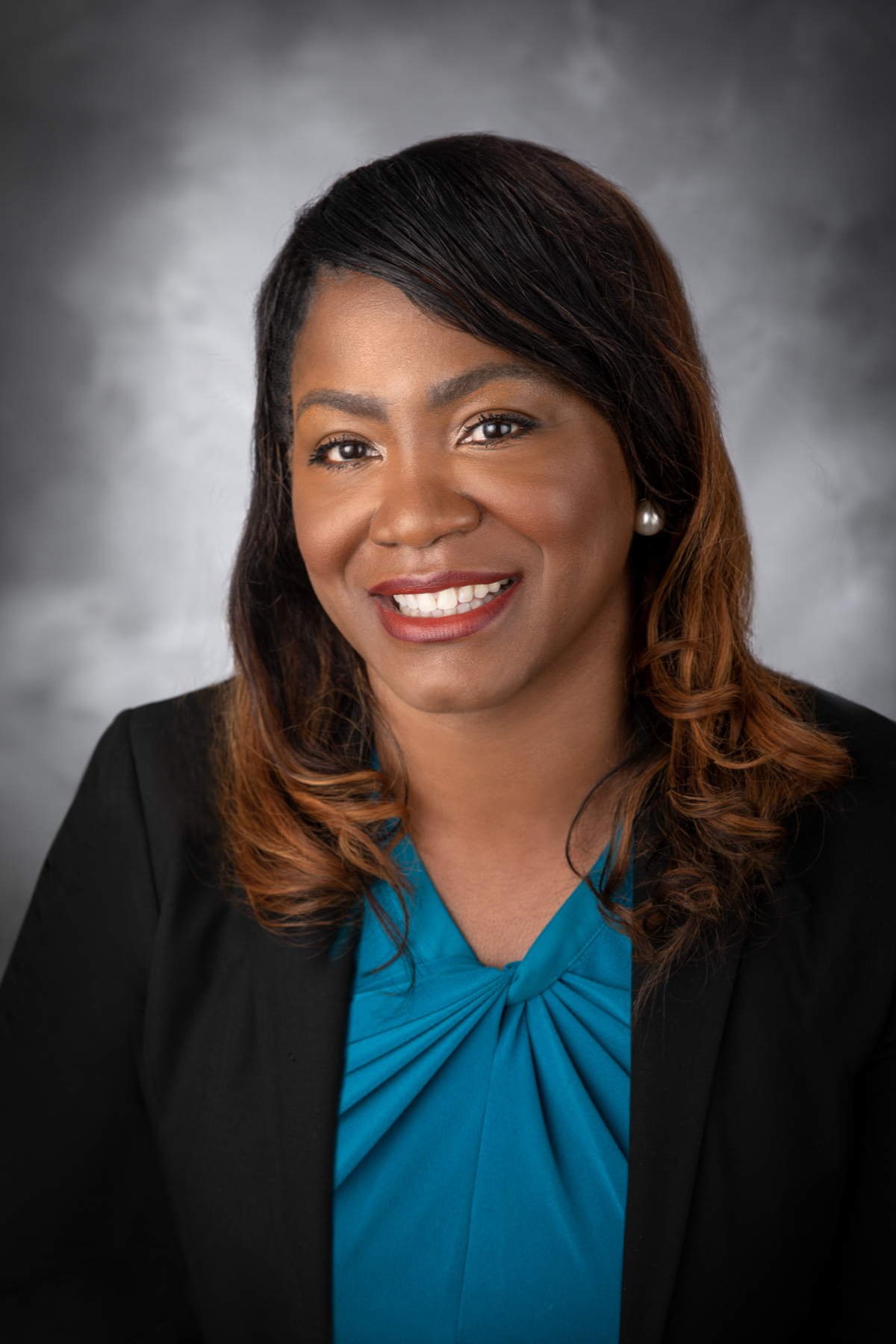
Joining me today is Dr. Sarah Nelly Winn, a Riverside internal medicine resident with a passion for preventative care and helping patients build healthier lifestyles. Dr. Nelly Nguyen, welcome to the Healthy U.
[00:01:16] Speaker B: Thank you so much for having me. This is a very exciting opportunity to talk to our patients from your podcast.
[00:01:21] Speaker A: Yes, we're excited to have you.
To get started, I have a question for our listeners. When was the last time you had your cholesterol checked? Because I think many people may realize it's been longer than they like to admit.
Is that something you see often in your patients and practice?
[00:01:42] Speaker B: Of course. I am an internal medicine resident, so at our core, internal medicine is essentially prevention. So a lot of the patients that we see are in our internal medicine clinic here at Warwick.
We talk a lot about diabetes, hypertension, and cholesterol. So a lot of our patients, when they first come to us, a lot of the things that we do for prevention is obtaining a lipid panel, which we will talk about a little bit later. So a lot of our community, especially here, we deal with a lot of high cholesterol, whether that is from diet, whether that is from lack of exercise. But also a big thing is genetics as well. So we incorporate all of that in our practice and we see it a lot.
[00:02:29] Speaker A: I know that my primary care physician keeps me on track with all those things, so that relationship is so important.
[00:02:36] Speaker B: Exactly.
[00:02:37] Speaker A: Even though I'm a healthcare professional keeping me on track.
[00:02:40] Speaker B: Of course.
[00:02:41] Speaker A: So before we dive deeper, can you tell us a little bit about yourself and your work in internal medicine and why preventative health is such an important topic for you?
[00:02:53] Speaker B: Of course. So I am a PGY3 resident. That means that I am internal medicine, third year. This is my last year of residency. And in internal medicine, as I mentioned before, a lot of our patient population is in the hospital, but also in our clinics.
So we usually have a continuity of care. A lot of our patients that we see in the hospital, we follow them in our inpatient, I mean, our outpatient clinic. And a lot of that incorporates a lot of cardiovascular disease, a lot of chronic kidney disease, and with a lot of those diagnoses, cholesterol is a big component, and it really is a foundation of the diagnoses that we see every day.
A big reason why I love preventative health is because if we can start with preventive health and develop a patient relationship where they can trust us, we can really set them up for success and we can prevent them from coming into the hospital.
So being in our clinic and getting them set up for success really helps us keep them away from being really sick and being in the hospital, because that's unfortunately not a great place to be in.
[00:04:04] Speaker A: Right. And aren't there labs that can tell you what some of your risk factors can be, even outside of cholesterol as well? Of course, which I think is so good, because knowledge is power, and it can help you do something about it early.
[00:04:19] Speaker B: Of course, being aware, in terms of risk factors that you mentioned, I like to put it into two buckets.
So I like to look at things we can control and things we can't. So a lot of the things that we as clinicians and our patients can control is age, our genetics and our family history.
[00:04:39] Speaker A: I wish we could control age.
[00:04:40] Speaker B: Exactly.
So unfortunately, with those three components, we really can't control that. So especially our family history, if we have a family history of high cholesterol, specifically, the disorders that we really look at is called familial hypercholesterol anemia, which starts as young as when you're born. And a lot of our pediatric counterparts will start looking at lipid panels at a very young age, to 9, up to 11 years old. And then we also have things that we can control, which is our diet, which is also our exercise and what we eat. A lot of that is a big reason why. So some of our patients have diabetes. Some of our patients also have high blood pressure. So those risk factors also play a role in what we obtain in terms of labs. So a lipid panel.
There's also a lab called the lipoprotein A that we like to obtain for our patients. And those, you know, that's A shared decision making that we make with them. But our two little buckets are things we can control and things we can't control.
Right.
[00:05:55] Speaker A: It's interesting that they're doing those tests on younger children, which can help arm the parents.
[00:06:04] Speaker B: Exactly.
[00:06:04] Speaker A: For them to start the diets while they're young.
Very good. All right, let's start with the basics. So got a little ahead of myself there.
What exactly is cholesterol?
[00:06:17] Speaker B: So cholesterol, essentially, and it's a bad connotation, but essentially it's a waxy, fatty substance that our liver actually produces. And what it ends up doing is it forms a lot of our cells, it forms a lot of our hormones. It also forms our vitamins, like vitamin D. So even though it has a bad connotation when we talk about it, we actually really need cholesterol to sustain our overall body.
Where we get a little bit tricky is we also get cholesterol from what we eat. So when we think about good cholesterols, we think about fish, we think about dairy. That includes chees, eggs. So, you know, I'm not saying. And I always tell my patients, that doesn't mean you cut those out.
That just means that, you know, you eat them in moderation. But you really want to take a look at trans fats and saturated fats, which we will talk about a little bit later.
But like I said, there's good cholesterol and bad cholesterol, and our body really needs it.
[00:07:18] Speaker A: Okay. Okay. Good information.
So we hear terms like, which I'm very familiar with LDL and HDL all the time. What's the difference? I know one's good and one's bad.
[00:07:31] Speaker B: Yes.
So LDL is essentially a low density lipoprotein. We call that the bad cholesterol because it comes from our liver and it goes into our bloodstream. And if our liver doesn't do a good job of clearing that bad cholesterol out, what it will do is essentially build up in our bloodstream, especially our arteries. Arteries. And that's when we come into consequences like cardiovascular disease because of that plaque buildup. Sometimes we also have plaque buildup in our lower extremities and our upper extremities, which we call peripheral arterial disease. So LDL is the bad cholesterol. We also have hdl. HDL is what I consider a great cholesterol because it acts like a scavenger in our bloodstream, clearing out the cholesterol and bringing it back to the liver.
So in the liver, it, you know, it produces. It cycles it and produces it as waste. So the HDL having a high amount of it, is essentially really good for your body.
[00:08:38] Speaker A: Okay. All right.
So cholesterol itself isn't the enemy. It's not the bad person. Right. It's really about maintaining healthy levels and balance between those.
Okay. All right, thank you. That's great information.
So who is most at risk for developing high cholesterol?
[00:09:01] Speaker B: So most at risk of developing high cholesterol. Like I mentioned before, patients who have a family history is a big component. Patients who also have underlying diagnosis of diabetes, chronic kidney disease, those patients tend to have higher risk.
Also, with the new ACC guidelines, the American College of Cardiology, we are noticing that a lot of women, especially post menopause, tend to have elevated ldl.
It tends to creep up on them. So we really try to hone in in that population as well. And other things we don't really think about, but us as clinicians, we really try to monitor is patients who have autoimmune disorders. So patients who have lupus, patients who also have rheumatoid arthritis, and patients who also are immunocompromised, such as patients with hiv.
[00:10:00] Speaker A: Okay, okay, good stuff.
One misconception is that only people with unhealthy lifestyles develop high cholesterol can see. Does someone who appears healthy still have high cholesterol?
[00:10:14] Speaker B: Of course. And we actually see this all the time in our clinic. And that's why a lot of us want to. Actually, due to the new guidelines, we want to start screening our patients a lot younger. Because usually what ends up happening is we start to screen them around 19 years old in our clinic. Unfortunately, we don't see kids. So the reason why we do that is because they may appear healthy, but there is a genetic component that they're not aware of.
And education is key. And unfortunately, sometimes their families were not educated on high cholesterol. So they go throughout life not realizing that they have that genetic risk. So you may never know based on just looking at them.
[00:10:59] Speaker A: Absolutely. And it's so often related to how you were raised and cultural foods that are more common that you don't even know that are high risk.
And that's what makes regular screening so important. Right. That's the key for those listening. How often should we be checking our cholesterol level?
[00:11:18] Speaker B: So guidelines state that at 19 years old, all the way up until 65 and greater. We like to at least check your lipid panel once. What those labs show kind of dictate where we go with our treatment. So if we have Patients where their LDL is not in a specific range that we would like it to be using our score scoring systems, then we would like to repeat it based on if we start them on a therapy, based on if they are changing their diet. But essentially we would like to obtain one lipid panel. And then let's say a patient doesn't have any concerns with their lipid panel. We like to repeat it within five years.
[00:12:00] Speaker A: Okay, very good.
When people get their results back, what number should they pay attention to?
[00:12:08] Speaker B: So usually both are important, right? Both are important. And surprisingly, a lot of patients look at the total cholesterol, but I always try to let them know about the LDL and the hdl. Specifically the ldl. I would, and I always tell my patients when I talk about their labs with them that the ldl, we would essentially like to keep it, especially when they don't have any chronic conditions or any risk factors below 100.
So that's where we would like to keep the LDL with our patients.
[00:12:40] Speaker A: Okay. All right.
Knowing your numbers gives you a starting point, right, for protecting your heart health. What really makes the difference is what happens next as the choice we make every day can have a powerful impact on our long term heart health.
The title of today's episode is Small Changes, Big Impact. And I think that's encouraging because people assume they have to completely overhaul their lives. Like, there's some things I'm just not going to give up that I want to have from time to time, like looking forward to the upcoming holidays. Right. What are some of the most effective lifestyle changes people can start making today?
[00:13:22] Speaker B: So diet is very important. And I always encourage my patients to not completely, you know, start calorie counting because that's what naturally they decide to do, or restricting sweets. I really try to talk to them about the Mediterranean diet, the Mediterranean diet for our cholesterol and the DASH diet for our blood pressure. So essentially what the Mediterranean diet is, it focuses on our healthy fats. So fish, salmon, tilapia, avocado is a big one, looking at low glycemic grains. So I really like to incorporate that discussion with my patients. Also a big one is a DASH diet. Watching our sodium, that's something that I always discuss with them. Another big component is exercise.
And I always talk to them about trying to get 100 to 150 minutes a week. So that's 30 minutes a day essentially of moderate exercise. And they always ask me what moderate exercise is because sometimes you read up online, moderate intensity. And it's essentially the layman's terms that I would call it would be if you are able to talk to a counterpart, but you're not able to sing because you're feeling short of breath.
More technical way is if you have a smartwatch, it's essentially taking the number 220, and you subtract your age and whatever number that is, that's your maximum heart rate. And when you're doing that exercise, try to stay 50 to 70% in that range.
So usually that is considered moderate intensity. And doing about 30 minutes, 20 minutes a day is important, whether that's just taking a brisk walk or lifting some weights.
[00:15:18] Speaker A: Okay, good, Good information.
What do you tell patients who feel overwhelmed by making healthy changes?
[00:15:26] Speaker B: Biggest thing I tell them is one step at a time. So we usually at our appointments, have one goal that we would like to make until we see each other again in eight weeks. So whether that is trying to limit our sodium, whether that is working out a little bit more, incorporating more resistance training, or aquatics.
A lot of my patients love aquatics. So trying to make one small change until our next appointment. And we can just go from there. So that is how I usually. I usually talk to them about it.
[00:15:58] Speaker A: Yeah, that's a good way of putting. I know, like, diabetes runs in my family. My mom, my dad and I started living a diabetic life probably about 20 years ago. Meaning no sodas. If I do have a soda, no juices. I have them from time to time, but I buy them. And that really helped my A1C normalize.
[00:16:17] Speaker B: You'd be surprised making that little change.
Exactly.
[00:16:21] Speaker A: All right, so thanks.
That is. That's. That's great information. And I. I think you're right. You can't do it all at once.
Just take one milestone at a time.
[00:16:34] Speaker B: Exactly.
[00:16:34] Speaker A: Because what I find is you just end up getting defeated and going rogue.
Exactly. Exactly. Yes.
All right.
That's such an important message, because lasting change often starts with one manageable step. I have to reiterate that for some individuals, healthy habits alone may not be enough. Right, exactly. To lower cholesterol.
When does medication become part of that conversation?
[00:17:03] Speaker B: So for us, it really is in our visits where we obtain a lipid panel and we discuss the numbers with our patients. Depending on their comorbidities, we either decide to discuss only healthy habits, but unfortunately, with our patient population, especially with their history of diabetes and prior cardiovascular disease, we end up starting the medications a lot sooner than we would like to.
Usually what we as clinicians use is called the prevention score. If you go online, you can go on the American College of Cardiology. It's a free website. And it essentially the score, what it looks at is the patient's age. It looks at your blood pressure, looks at your kidney function, if you're a diabetic or not. And it can also look at your LDL and HDL and it creates a score. And that score, what essentially states is that what is your risk of developing a cardiovascular event, meaning a heart attack or a stroke in the next 10 years and the next 30 years. And those numbers kind of tailor what our treatment plan is.
So if you are below 3%, then we really encourage healthy habits.
If you are in that gray zone, 3 to 10%, that's when we have a lot of shared decision making with the patient. If they would like to get the lipoprotein A to see if there's a genetic component to their cholesterol, if they would like to start on a medication, or if they would like to try healthy diet and exercise and developing a solid plan first before we incorporate medications. If they're unfortunately greater than 10%, we highly, highly encourage starting a lipid lowering medication like a statin.
And especially because their risk is so much higher of developing a heart attack or stroke, and especially with our diabetic patients, we unfortunately start them right away on it because their risk is so much higher.
So that's how we kind of look at it, is using the American College of Cardiology prevent score.
[00:19:14] Speaker A: Okay, good, good.
There's sometimes a stigma right around needing medication.
What's important for people to understand, understand.
[00:19:26] Speaker B: The biggest thing that I really try to hone in with my patients is that you are doing all the work making those lifestyle changes. But medication, what it will do is it's a little scary, especially when you're starting something new. There's side effects everywhere. Everybody is a little afraid, especially with the muscle pains that these statins tend to cause.
But lowering your risk of developing a heart attack and lowering your risk of developing a stroke is so much more rewarding with unfortunately, if you need a medication. So sometimes it's the best thing for you and it's one step at a time. Sometimes we can get you off of those medications if you know you reach your goals. But essentially that risk, lowering that risk is most important.
[00:20:18] Speaker A: Great.
That's a great perspective.
It's not about failure. It's about managing your health right proactively.
As we wrap up, let's focus on what listeners can do starting today.
[00:20:33] Speaker B: So the best thing you can do starting today is talk to yourself. And ask, when was the last time I got my cholesterol checked? When was the last time I saw a primary care physician? Because a lot of the times, a lot of our patients don't really think about it. And that one little step of thinking about, you know, when was the last time I got it checked and when did I ever make a doctor's appointment. Those two little things can really make a difference.
Also, a big thing is making sure that our diet is also in the back of our minds. Something as simple as having a nice healthy salmon for dinner tonight is something
[00:21:16] Speaker A: that can be butter or olive oil.
[00:21:18] Speaker B: Olive oil, Okay. I love a little olive oil.
[00:21:20] Speaker A: Canola oil or vegetable oil?
[00:21:25] Speaker B: Canola.
[00:21:25] Speaker A: Okay.
[00:21:26] Speaker B: I know.
[00:21:28] Speaker A: I wanted to know that.
[00:21:31] Speaker B: I love both.
[00:21:32] Speaker A: I love both. Yes.
Canola. But you know what? Small changes.
[00:21:37] Speaker B: Small changes.
[00:21:39] Speaker A: Half canola, half vegetable. So you can go all canola. Right?
[00:21:43] Speaker B: Exactly.
[00:21:44] Speaker A: All right.
Beautifully said. Your health is a lifelong journey and every choice counts. And it is tough.
[00:21:53] Speaker B: Yes.
[00:21:53] Speaker A: I mean, we're healthcare professionals and it's hard to even incorporate these things for ourselves sometimes. But you do have to put yourself first and make yourself a priority.
[00:22:02] Speaker B: 100%.
Yep.
[00:22:04] Speaker A: All right.
Dr. Nelly Winn.
[00:22:07] Speaker B: Yes.
[00:22:08] Speaker A: Thank you so much for joining me today. I literally learned so much as you are helping us better understand high cholesterol and reminding us of those small changes that can really have a big impact on our health.
It's really going to make a difference and it's going to help me too, as well. So it reinforces those things.
[00:22:31] Speaker B: Thank you so much for having me here. This is a great opportunity to really, whoever is listening to gain something from this conversation and I hope they learn at least one thing from it.
And everyone have a great day.
[00:22:45] Speaker A: Dr. Neliwin, thank you so much for joining me today. Please come back anytime.
[00:22:49] Speaker B: Thank you.
[00:22:50] Speaker A: We have to keep reinforcing the message.
And so I know that our viewers and and even myself learned so much today from this episode. So thank you for your time. Of course, thank you to our listeners. High cholesterol may be common, but it's also manageable.
Knowing your numbers, making healthy lifestyle choices, and partnering with your healthcare provider can help reduce your risk and protect your heart for years to come. If today's conversation encouraged you to schedule a screening or make a healthy change, share this episode with a friend or family member who may benefit from it too.
And as always, taking care of your health is an important part of a healthier you.
Until next time. You know it. Stay healthy.
Thank you for listening to this episode of Healthy youy. We're so glad you were able to join us today and learn more about this topic. If you would like to explore more, go to riversideonline.com combination.