Episode Transcript
[00:00:00] Speaker A: From Riverside Health System. This is the Healthy youy podcast where we talk about a range of health related topics focused on improving your physical and mental health. We chat with our providers, team members, patients and caregivers to learn more about how to maintain a healthy lifestyle and improve overall physical and mental health. So let's dive in to learn more about becoming a healthier you.
Happy New Year to everyone.
As we kick off a new year, many of us are thinking about health goals.
But let's be honest, traditional New Year's resolutions don't always last.
Today we're talking about how to build health goals that actually stick. Goals that feel realistic, personal and sustainable.
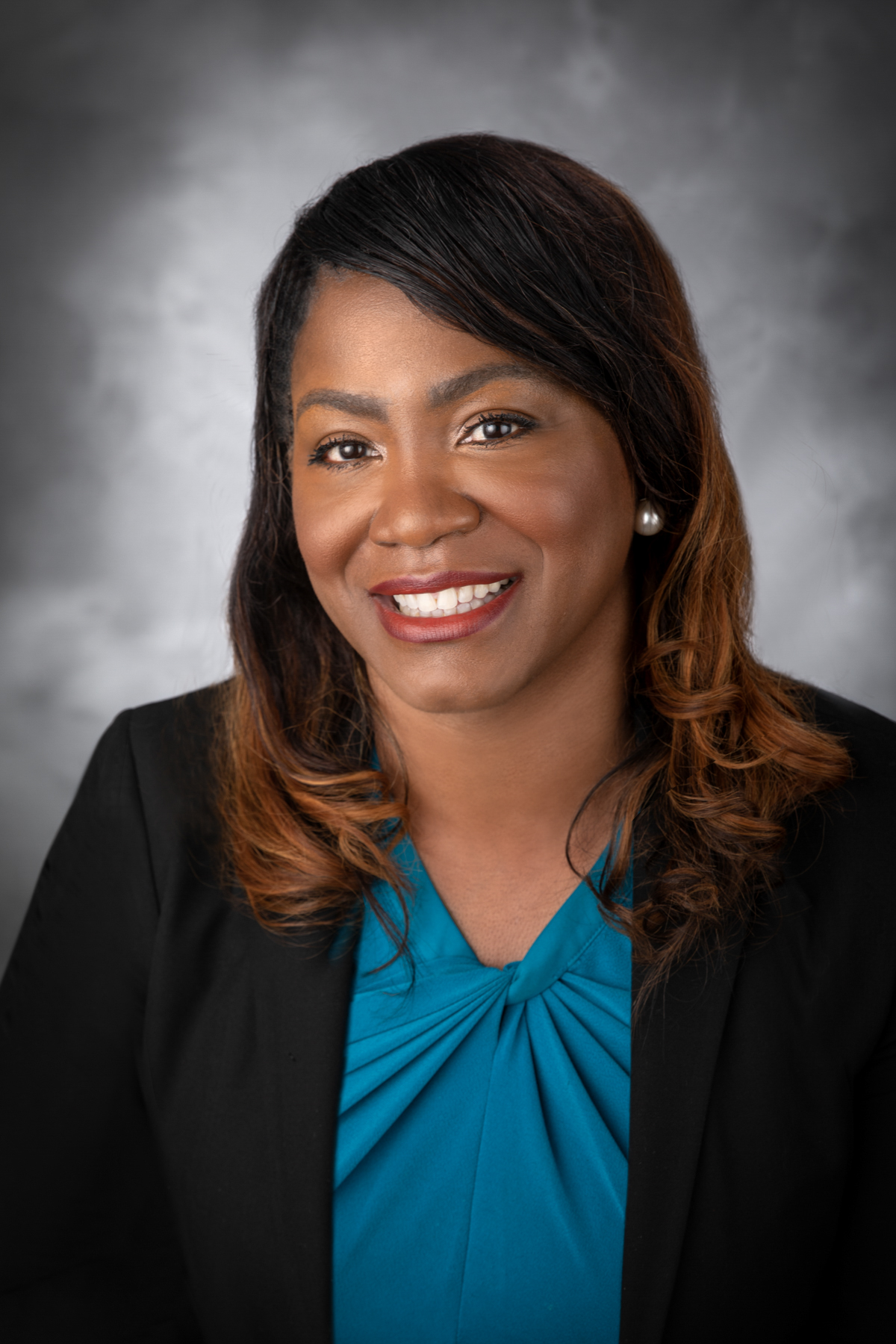
Joining me today is Tiara Errington, an exercise specialist with Riverside Wellness and Fitness Center.
Tiara works with individuals every day to help them build healthy routines that fit their real lives.
Tiara, welcome to the show. I keep thinking about a tiara on my head so I won't mess up your name.
Pretty much.
[00:01:10] Speaker B: Close enough.
[00:01:13] Speaker A: Alrighty.
So to kick things off, I'd love for our listeners to get to know you a little bit better.
What inspired you to work in fitness and wellness and what do you enjoy most about helping people set and reach their goals? I know for me, I do it every year and I fall short every year. So I'm really excited about this information.
[00:01:35] Speaker B: Okay, well, as she said, my name is Tierra Arrington and yes, I'm an exercise specialist at the Riverside Wellness and Fitness center at the Newport News location.
So New Year's new me is like everybody's primary phrase for the new year. But with that comes goals and being realistic about your goals. And I think that's the primary word is being realistic. And that's really how you steadfast in those goals.
So what led me to fitness is I'm a prior track athlete, ran track all my life, and one of my favorite parts about running track was seeing how far my body could go. So when I would hit a pr, whether it was in the weight room or whether it was on the track, the amazement of, wow, my body can actually do that. Like, I didn't think like you set these goals, like, okay, I want to run this time or I want to lift this weight. But then when your body actually does it, it's kind of like a shock. Like you step back, like, oh my gosh, I actually did run that time or I lifted that weight. I didn't know my body could move that fast. Or I didn't know you can see I'm small. I didn't know I could lift that much weight.
So that drove me to stay within fitness, to see what other goals or to help other people reach their goals, to see what their body can do. So that's what I love about it too, is just seeing what the body can do. Because we. Because whether I'm training somebody who was older or whether I'm training somebody who's my age or younger, just everybody has a goal and everybody can make progress. So seeing that progress is what leads me to keep going.
[00:03:11] Speaker A: Yes. And I'm a former athlete myself and ran track and cross country. But what I find is, is that, you know, it's 45 years later, you know, my mind think I can do certain things. My body fails me. So I like that you talk about realistic goals because it depends on where we are. Right. And our age and different things like that. So before we jump into our main conversation, since this is our first episode of the new year, I want to start with something a little more personal.
Like a lot of people, I've set health goals, as I mentioned in the past, that sounded great on January 1st and then felt a little harder to keep by mid January.
And so instead of pretending that every resolution goes perfectly, well, we're starting today with a little honesty.
So I'm going to put you on the spot a little bit. Have you ever set a health or fitness goal that did not go as planned? I mean, you look like you're physically fit, so I don't know what kind of goals you would have, but can you talk a little bit about that?
[00:04:23] Speaker B: Yes, and yes, I have.
Just because I'm a personal trainer or an exercise specialist doesn't mean that my fitness goals always goes as planned.
Like you said, I still have the mind of an athlete. And so I never wanted to defer from training as an athlete. Like, I didn't want to deduct the intensity of my training just because I don't play sports anymore.
So last year my goal was to do 2A days.
So if you don't know, I was trying to lift at one point of the day and then run another point of the day to kind of keep that up.
[00:04:56] Speaker A: That sounds like a football player routine.
[00:04:58] Speaker B: Yes. And that did not go all the way as planned because being an adult now, life starts to life and schedule starts to get crazy. New experiences come along, new opportunities come along. So trying to balance it. I think where I messed up was, was I didn't plan. I had it in my head like, okay, I'm doing two A days this year, but I didn't plan for it. I didn't set realistic goals for it. It was just kind of something I said, something that I had in my mind. So I think if I could go back or if I were to do it again properly, planning for that goal could have helped me at least last longer, withholding that goal.
[00:05:37] Speaker A: I think for me, you know, I'm thinking harder, faster. So aggressive workouts are the key. And I still wasn't being successful.
So I think that it's really getting a plan and having someone that's an expert in the field help you with that. Yes, I think is important as well. I don't know if you want to.
[00:05:54] Speaker B: Add anything to that. Honesty, being honest. There was a point last year I did get myself a personal trainer. And some people like, well, you're a personal trainer. You can do it yourself, right? And, you know, it's not always that easy. It's not always that easy. Sometimes the trainer does need an accountability partner or somebody to keep them motivated. Because we go through things as trainers, just as the athlete or the patient or the client goes through things. So sometimes we need that person to give us the extra push. So I had to cave and, you know, humble myself and put away the pride, and I got a personal trainer. And it went. It went very well.
[00:06:29] Speaker A: Very well. Very good. Very good. Thank you for sharing that. Because I think a lot of people assume fitness professionals always have it all figured out and all together.
What did that experience teach you about setting health goals that actually work in real life? And you already mentioned a little bit about that. Do you want to expand on that a little bit more?
[00:06:49] Speaker B: Plan, plan, plan. Writing it down. Writing it down. Actually help you put it into fruition. More than just saying it or more than just thinking it. Having an accountability partner, you don't have to do this on your own. A lot of people feel like they have to set these goals on their own just so that they can believe that they accomplished it. Sometimes it takes a village to accomplish just one thing. Don't be afraid to lean back on, whether it's a personal trainer or a friend.
Just having somebody with you to accomplish these goals that you have in mind, planning it, actually putting it into the schedule of when you want to work out or whatever type of workout or fitness goal that you have. Putting it into the calendar versus just saying, okay, I'm gonna just do this tomorrow, or I'm gonna do this Monday, Wednesday, and Friday. It's not quite concrete.
[00:07:39] Speaker A: You wanna make it more blocking that time out.
[00:07:41] Speaker B: Exactly. Cause once you block that time out and nothing can hinder that time.
That makes your excuses less.
[00:07:47] Speaker A: That's good. That's good stuff there. And that's such an important takeaway because every January, people start their year highly motivated and hopeful, but often feel frustrated we when things don't go perfectly.
So let's talk about why that happens and how we can approach goal setting differently this year in 2026.
[00:08:10] Speaker B: Okay, well, something that you can do.
Smart goals.
Being more specific with your goals.
[00:08:18] Speaker A: When they say smart goals, what does smart goals mean to a personal career?
[00:08:22] Speaker B: Smart is an acronym. Let's make sure I get it right. It is specific.
[00:08:26] Speaker A: Yes.
And you don't have to remember, you don't have to call it out. But what does it mean overall?
[00:08:33] Speaker B: Overall, it just means being.
It helps you become more intentional with your goals because you're breaking it down. So, versus, like, if I use my old goal of doing two a days, that's a broad goal. It might not sound like it, but that's a broad goal. But when you apply the smart rule, it kind of helps you break it down.
[00:08:49] Speaker A: Frames and specific guidelines. Okay, good stuff. All right, let's talk about what happens and how we can approach goal setting differently this year. I know we talked about smart goals. What are some other things that you feel like we can do?
[00:09:04] Speaker B: I think going the extra mile and getting a personal trainer is one. We kind of touched on it.
But actually getting a trainer or whichever field of fitness that you're trying to improve on, because for some people, they might have it down packed in the weight room, but they don't have it down packed in the kitchen. So getting a dietician or a nutritionist, just getting going that extra mile, getting that extra help, versus trying to figure it out all by yourself.
[00:09:31] Speaker A: So if it's not that people lack motivation, it's that the goals themselves may not be realistic.
What mindset shift do you encourage people to make when they're thinking about starting fresh?
I think I start fresh every day.
Like, I don't. I don't. I don't meet the goal the day before, I start fresh the next day, but I'm intentional about starting fresh. Okay, so I do think that your. Your intentions.
[00:09:58] Speaker B: Yes.
[00:09:59] Speaker A: Play a key role as well.
[00:10:01] Speaker B: I'm 100% behind you with that statement. Being intentional, I would say not being so hard on yourself. So if you have a goal, whether it's a daily goal, a weekly goal, a monthly goal, a quarterly goal, being happy about the small things, it's not always okay. I did two days A week for the whole season of the winter. But I did it two a day today.
[00:10:26] Speaker A: Yes.
[00:10:27] Speaker B: Be happy that you accomplished today.
[00:10:28] Speaker A: Check that off.
[00:10:29] Speaker B: Yeah, check it off. Daily or hourly, depending on what your goals are versus always thinking so broad.
[00:10:36] Speaker A: For me, it's multifactorial. So it's not only exercises. Planning my meals, you know, and to your point, like mapping that out and meal prepping. So when people think about goals and especially around weight loss and exercise, they think it's just one thing. It's managing your stress level. Right.
It's meal planning and also exercising and then getting that mindset as well.
[00:11:05] Speaker B: Yes. So a way you can go about that is. I use the word planning a lot thus far, but being organized.
So buying the Tupperware that you like on the TikTok, little things like that, or okay, you might hate, might hate this form of a squat, but you actually like this form of a squat. So add in the squat that you like and then add in the one that you don't like sometimes as well, but putting it in something that you actually like to do. If you have an active recovery day, but you like to take walks versus running on the treadmill, use your active recovery day to take the walk that you actually like to do. You don't always have to do the things that you hate or that's hard to accomplish those goals.
[00:11:41] Speaker A: Absolutely. I know for me you're seeing a lot of these stretch labs come up.
[00:11:45] Speaker B: Yes.
[00:11:46] Speaker A: Stretching is so important. I find that I get injured and so that deters me from exercising. And I've realized I have to modify, I have to do the modified. I can't do all the jumps and all the high intensity. I don't know if you want to talk a little bit about that. So staying safe is so important as well.
[00:12:02] Speaker B: Warming up in recovery, that tackles that statement in its entirety. Making sure that you properly warm up. Even if it's just an upper body day, there's still a warmup that you should do to warm up. Fire up the muscles that you're about to use for that day and recovery. Especially the older we get, we need to recover. You might be in your late 20s, but I'm telling you, by the time you hit those early 30s, especially if you are a prior athlete, you've already did so much wear and tear on your body, you have to recover after your workouts. And even if being realistic, you might not always have the time to sit down and do a 10 minute cool down after each workout. Weekly plan a day within your workout. Split like, okay, today's just going to be mobility, or today I'm just going to stretch, or today I'm going to go to the stretch lab, or today I'm going to do yoga. Whatever the case may be, add that into your regimen.
[00:12:49] Speaker A: Very good, Very good. One phrase we hear a lot is start small. And we talked about that. What does that actually look like? And you mentioned that a little bit in the routine you just identified as far as recovery actually look like when it comes to health and fitness.
[00:13:07] Speaker B: Starting small means don't neglect the fact that you do have a big goal, but what is the smaller goals within that big goal? So although you have your big goal, what are the small things that you can do to accomplish that goal? And what happens is when you set smaller goals for yourself, you allow yourself the opportunity to be proud of yourself, you have less opportunity to be disappointed within yourself because you're accomplishing these small things. And I'm just using this for scenario purposes, but even if I keep the two a day as a scenario, okay, My goal is to work out twice today.
I woke up this morning and I got up from my first workout check. I accomplished something versus I haven't, obviously. Still, I think it's afternoon right now for us. But you know, I haven't gotten to tonight yet, so I can't quite say that I completed a whole day of 2A days.
[00:13:55] Speaker A: Right.
[00:13:55] Speaker B: But I accomplished the first thing. I ate the meal that I was supposed to. I drank the protein shake that I was supposed to today.
[00:14:00] Speaker A: That's good.
[00:14:01] Speaker B: Little things like that and it helps you keep keep motivated because you're accomplishing things and it's a visible, like a visible something that you could just see that you're working towards something and you're accomplishing things versus just a notebook with empty check marks.
[00:14:19] Speaker A: I like that. I like that you're getting yourself some stars along the way. Right? Token economy.
Thank you for that. For those in our audience that may feel overwhelmed or intimidated by exercise, what's the simple first step they can take to today to get into a routine?
[00:14:38] Speaker B: Once you make your plan, just attack the first step. Do the first step. And I promise you, if I were to take a guess, most people's first step is getting up to do it. So getting up, jumping out the bed and going straight to it, Congratulate yourself for doing that. And once you get to the gym, do what you can or whether if it's in the kitchen, eat what you can, think small. And I promise you the bigger goals will come and they will be accomplished.
[00:15:04] Speaker A: Good. That's great stuff. Why do those small wins matter so much for long term success? I know for me it makes you want to do more of it.
[00:15:11] Speaker B: Yes.
[00:15:11] Speaker A: Right.
[00:15:12] Speaker B: So it matters because of that. It also matters because once you prove to yourself you can do one thing, then you're going to automatically make your goals even bigger. So once you make your goals bigger, you're going to accomplish more things, there's going to be more notches under your belt and just going to make you overall better person.
[00:15:28] Speaker A: Yeah. And then it becomes a habit.
[00:15:29] Speaker B: Yes, I know.
[00:15:30] Speaker A: There's a number to that.
Once you do a certain thing so many times, it becomes a habit. So we've been talking a lot about starting small and focusing on consistency instead of perfection. And one thing that really stands out is that what works for one person does not work for someone else. One size does not fit all.
Okay. Some people have flexible schedules, some are juggling work, kids, caregiving, and others may be starting from a completely different place when it comes to their health.
And that's what health goals really.
That's when health goals really come into play. Right. And they help you be successful.
So when you're working with people, how do you help them create health goals that actually fit their lifestyle, their schedule, and their the realities of what's going on with everyday life?
[00:16:24] Speaker B: For I have them. First things first, you have to be honest with me. You have to be realistic with yourself to let me know, okay, what is it that you really do day to day? What is it that you really eat day to day? Because if you lie to yourself or you lie to the person that's trying to help you, your goal is kind of a lie because you base it off of a lie. So in order to get real goals, real accomplishments, you have to be honest within yourself. And when I get that honesty, then I'm able to move things around and see what we can and can't do. And it's also trial and error, especially with diets. Especially with diets. It's trial and error. And like you said, not everything fits for everybody. So once I hear their story, I'm like, okay, this is the plan that I believe will work for you. Let's try it out. After a couple weeks, we'll revisit, see what we did right, what we did wrong. And I always say we because it's a team effort and it's nice to know that you have somebody to depend on.
[00:17:18] Speaker A: Absolutely.
[00:17:18] Speaker B: So we'll see what we can do, what we can't do what we need to not do again and what we need to do more of. So just, I guess also revisiting what you've already accomplished. So after a couple weeks, revisit what you've done and adjust it as needed and that'll kind of keep you going.
[00:17:33] Speaker A: Good stuff. We often hear about smart goals, and you've talked about that, but sometimes they can feel like just another checklist. How do you use the framework in a way that sticks still feels realistic and authentic, especially for someone just starting out.
[00:17:49] Speaker B: I would say using it as a guide more than a concrete layout or template. It's okay to write your smart goals out, especially if you already know what it is and if you're that type of person that just likes to write down everything, that's perfectly fine. But for those who may not be on that road, just think of it just as a guide. And it's a good guide because like we said, when you have a goal, sometimes it can be kind of broad.
So if you go through, let's say, get through the month of January and it's like, dang, I didn't even accomplish any of my goals or not the goals that I wanted to. You could use the smart goal rule to kind of break it down a little bit. One, you might realize that you accomplished more than you thought. But two, it can also kind of help you get back on track to what you need to do.
[00:18:27] Speaker A: That's good stuff. And how important is accountability in all of this? Whether that's working with a trainer, joining a class, or even just having a friend who checks in with you, Accountability is huge.
[00:18:41] Speaker B: One, because I don't care what nobody say. Everybody likes to hear that they did a good job in some way, shape or form. And when you hear that, it pushes you to. You want to do more. Now it's a want versus I need to because my doctor said so. You're going to want to do more because you have that accountability. Accountability partners are also great or a group because there's going to be days where you're not going to want to do it. It's winter time, it's going to be snowing, it's going to be cold, rain. Who wants to get up and go to the gym and do all of that? Who wants to get up and go or wherever to go grocery shopping and all that mess. But your accountability partner, that person helps you or people help you to keep going because you need that helpful. It's another way to stay motivated without depending on yourself all the time.
[00:19:22] Speaker A: So True.
Having that plan is so important, but knowing how to stick with it is really where the real change happens.
Motivation can be high at the start of the year. We already talked about that. But naturally fades. We talked about what helped keep people on track. We talked a little bit about that. When motivation dips, don't know if you have any pearls to add that you haven't already shared.
[00:19:45] Speaker B: I can. When your motivation dips, don't think of it as a setback. Just think of it as a set.
Step sideways.
[00:19:54] Speaker A: I like that.
[00:19:54] Speaker B: When you step sideways, if you're familiar with math, you can still go parallel, Right. So parallel you're still heading in the right direction. So don't always beat yourself up like, okay, I didn't hit this goal or this goal. I didn't do X, Y and Z. And think of it as a stage step back. Just think of it as a step sideways. Because sometimes things happen in our lives that need to happen. Sometimes we get injured and we get mad, but maybe that's your season that you just need to sit down and rethink about other things that are going on in your life. Everything happens for a reason, in my opinion. That's true. So think of it as a step sideways and find a way to keep moving forward.
[00:20:28] Speaker A: I like that. That's good stuff. With that said, what are some common roadblocks people face and how can they work through them without giving up? You talked about that. I like that.
[00:20:39] Speaker B: Step inside.
[00:20:40] Speaker A: Step inside.
[00:20:42] Speaker B: I think sometimes kind of what we already hit on, just planning too big.
[00:20:49] Speaker A: Yes.
[00:20:49] Speaker B: And being too hard on yourselves. I feel like that's where the biggest roadblocks come. You have to give yourself grace. There is nobody on this earth who is perfect. You have to give yourself grace, give yourself cushion to fall on.
Just get back up. Yes, just get back up. My personal phrase for 2026 is just do it.
[00:21:07] Speaker A: Just do it.
[00:21:08] Speaker B: So stop thinking too much into it. Just do it.
[00:21:11] Speaker A: I'm gonna use that every morning. Just do it. Just get up at 5 and go work out. Just do it.
How can people reframe setbacks so they don't fall, like, feel like failures? That's one thing. Like you said, reset every day. And then finally today we're going to talk about long term health. What does success really look like? I feel like we've. We've talked a lot about some of this throughout the podcast, so don't know if you want to add anything around that.
[00:21:35] Speaker B: Yes, I can, actually.
[00:21:37] Speaker A: Okay. Okay.
[00:21:38] Speaker B: So at Riverside Wellness and Fitness Center, I'm over a program called rise, which stands for Riverside's Introduction to Supervised Exercise. So my primary population are people, they typically tend to be older, but people who have a medical condition of some sort. And since my primary population are people of age, of an older age, there's a lot of things that they just think that they can't do. So now I'm seeing things from a different perspective because I'm 29 years old and I'm dealing with people who are 60 plus.
So to see them and after they work out for a few weeks, they have more mobility to do their everyday activities. So now I'm seeing the work that you put in when you're younger, it actually pays off when you get older so you can do those day to day activities, your daily activities, chores, washing your body, things of that nature. It all takes muscle strength. So if you do the work now, it'll pay off in the end.
[00:22:30] Speaker A: Love it. Love it. What's one piece of advice you wish to give everyone about health and fitness?
[00:22:39] Speaker B: Grace. Give yourself grace. Remember, it's not a step back, it's just a step sideways. Give yourself grace.
[00:22:44] Speaker A: Love it. Love it.
For someone listening today who feels discouraged or unsure where to start, what message would you leave with them before we conclude?
[00:22:54] Speaker B: I would say find that accountability partner or find that trainer or the person who is the professional person that you're looking for with whatever goal that you have for this year. Find that person and lean into that person and allow them to help you to accomplish that goal.
[00:23:12] Speaker A: All right, well, thank you so much for joining us.
[00:23:15] Speaker B: Thanks for having me today.
[00:23:17] Speaker A: Please convey to our viewers if they want to reach out to you, how they can contact you.
[00:23:22] Speaker B: All right, you can contact me once again. My name is Tierra Arrington and I think the best way to contact me would be my email. Tierra T E A R R A. Arrington A R R I N G T o n@r I v h s.com to our listeners.
[00:23:42] Speaker A: Thank you for joining us. Until next time, stay healthy. Thank you for listening to this episode of Healthy you. We're so glad you were able to join us today and learn more about this topic. If you would like to explore more, go to riversideonline. Com.