Episode Transcript
[00:00:00] Speaker A: From Riverside Health System, this is the Healthy youy Podcast where we talk about a range of health related topics focused on improving your physical and mental health. We chat with our providers, team members, patients and caregivers to learn more about how to maintain a healthy lifestyle and improve overall physical and mental health. So let's dive in to learn more about becoming a healthier you.
For years, many women were told hormone therapy wasn't safe. Right. But the science around menopause treatment has evolved tremendously. Today we're talking about what's changed, what's the latest FDA updates and what women should really know about managing menopause symptoms.
Menopause can bring a lot of unexpected changes, but understanding your options can really make a powerful difference in and how women navigate this stage of life.
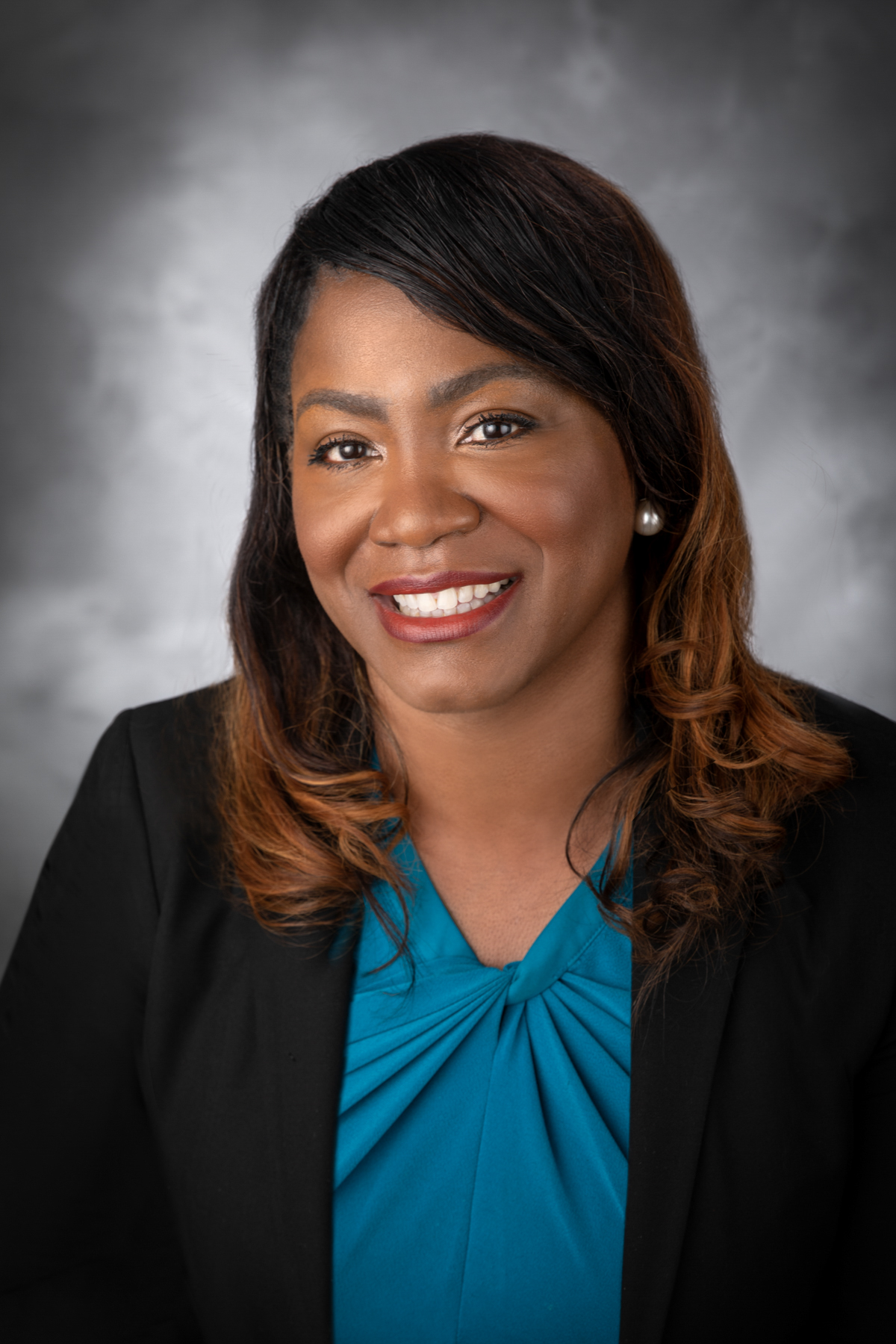
I'm Frankie Myers and this is the Healthy youy Podcast where we're breaking down everyday health topics and introducing you to the experts helping keep our communities well. Joining me today is Dr. Casanova, a certified menopause clinician by the Menopause Society.
Dr. Casanova helps patients understand the hormonal changes that happen during menopause and and the treatment options available, including hormone therapy. Dr. Casanova, welcome to the Healthy U.
And Dr. Casanova was formerly my GYN, so I know Dr. Casanova very well.
In your work with patients, Dr. Casanova, how often do conversations about menopause and hormone therapy come up and then what kinds of questions are women bringing to you about topic?
[00:01:50] Speaker B: Well, it comes up very commonly, particularly in women anyone 40 or older.
[00:01:56] Speaker A: Right, right. It comes up and I'm one commonly.
Right.
[00:02:01] Speaker B: Particularly, you know, women come in for their annual exam and sure, they have concerns about their overall general health. But yes, I feel like it always leads down to the hormones and the things that they're experiencing in midlife and they want to know, is this normal? Am I crazy?
[00:02:20] Speaker A: Right.
[00:02:20] Speaker B: You know, what, what is causing this? How can I deal with it? You know, they kind of want to know answers to those questions. So it does come up very commonly.
[00:02:29] Speaker A: Yeah. And it's not something that unfortunately we, as women, we don't always share or discuss.
And just from my own perspective, we suffer sometimes because we're not open to having that transparent conversation. Yeah, I agree.
Before we talk about treatment options like hormone therapy, can you briefly walk me through what's actually happening in the body during menopause?
[00:02:53] Speaker B: Okay.
So the strict definition of menopause is no period for a year.
[00:02:59] Speaker A: Okay.
[00:03:00] Speaker B: And it doesn't matter what your hormone levels are.
[00:03:05] Speaker A: It's.
[00:03:06] Speaker B: That's just the clinical definition. No. No period for a year. Now, what is actually happening to your hormones? Some people have described it as puberty in reverse.
[00:03:15] Speaker A: That's a good way of describing it
[00:03:18] Speaker B: because we all know that young teenagers, when they're just getting their menses started, have a lot of hormone fluctuation and swings and their periods are irregular. Well, that's exactly what's happening during perimenopause and menopause.
We used to think, oh, your hormones just decline and you're done. We. Your periods. But that's not true. They actually bounce around quite a bit. So we know for normal menstrual cycles, our female hormones go like this, up and down. Well, when you're in perimenopause and men before menopause, they're like this.
And every time I tell that little story, my patients respond just like you do. Like I get it right. That's what I feel like. Yes. I feel like my hormones and the
[00:04:08] Speaker A: people around you feel the same way. What happened?
[00:04:12] Speaker B: So that's what happens during perimenopause. So your periods are irregular. You have mood swings, you have cravings, you have difficulty sleeping, you have some hot flashes, night sweats, you know, after menopause. So the year after your final period, our hormone levels are relatively low and stable. Okay, so it does get better.
[00:04:32] Speaker A: It gets better.
There is hope. Yes.
Many women recognize obviously, the hot flash, because that's the one that you really can't hide.
But the menopause transition can evolve a lot more than that. What are some of the most common symptoms you see in patients doing perimenopause and menopause?
And the hot flashes, you know.
[00:04:58] Speaker B: Sure.
[00:04:59] Speaker A: It's a big one.
[00:05:00] Speaker B: Yeah. Hot flash is a big one.
[00:05:01] Speaker A: And can't sleep is another one.
[00:05:02] Speaker B: Right.
[00:05:02] Speaker A: For sure.
[00:05:04] Speaker B: And those two may be related. Right, right. You're having night sweats, you get woken up at night, you can't fall back asleep, then you're tired the next day, you have brain fog. That's a big complaint.
[00:05:17] Speaker A: That's a big one, yes.
[00:05:19] Speaker B: And you're irritable.
So they are all interrelated. But I would say that hot flashes probably is something that drive women to seek treatment most. And difficulty sleeping, which again are interrelated most commonly other in perimenopause, of course, irregular periods, skipping or missing periods.
That's very common. Women may start to develop some genital urinary symptoms, such as urinary frequency, painful urination, not an infection, but other painful urination, leaking urine and just vaginal dryness associated with intercourse.
[00:06:05] Speaker A: Right. Okay. Okay.
When symptoms start interfering with daily life, many women start exploring treatment options. One option that often comes up is hormone therapy. Correct. Right. But it's also an area where women have heard a lot of mixed messages over the years. And I know I can relate to that because my mother's generation. My mother's about 84. You mentioned hormone. They mentioned cancer.
Don't do it. Don't you do it.
So your thoughts on that?
[00:06:37] Speaker B: Well, yes. I mean, I've been doing this menopause teaching and counseling for women for a long time, and there's been big swings in the pendulum. You know, initially, way back in the 1960s, it was estrogen for everyone.
[00:06:54] Speaker A: Right.
[00:06:54] Speaker B: You know, and then it kind of.
We started realizing, oh, that's not a good idea, because there are risks and maybe we need to cut back a little bit. And then there was, in the early 2000s, the WHI study that really frightened some people, saying, you know, hey, you shouldn't use this medication to prevent disease. Right. Certain diseases, and maybe nobody should be taking. And women stopped taking it. And now I think the pendulum is sort of swinging the other way.
[00:07:24] Speaker A: Education, Right. And better understanding, do you think has helped?
[00:07:27] Speaker B: Correct. And also, we have so many different formulas of estrogen. Right. When. When estrogen first came out, it was just one type one chemical medication. And now we have several different ones that do have different properties.
[00:07:41] Speaker A: Okay.
[00:07:42] Speaker B: And we know what else we need to add or not give when we're treating patients.
Dosages have changed.
So we've learned so much more, and then it is evolving in a good way.
[00:07:54] Speaker A: That's good.
That's good.
All right. Recently there have been updates to the FDA labeling and renewed conversations around hormone therapy, which you just alluded to. Can you explain what hormone therapy is and why is the topic getting attention again? And you've mentioned a little bit of that. I think the changes that have happened, and there's all the different forms, the treatment options, and new research, of course. Right.
[00:08:25] Speaker B: We keep looking into this, and women are demanding it.
[00:08:28] Speaker A: Right.
[00:08:28] Speaker B: Hey, this affects my quality of life. You know, these perimenopausal, menopausal symptoms. Women are demanding it and hope. And I'm glad that we're responding with
[00:08:39] Speaker A: it because it's impacting their quality of life, correct? Yeah, absolutely.
[00:08:44] Speaker B: So I think that that's.
[00:08:46] Speaker A: It's forcing that conversation, Right?
[00:08:49] Speaker B: Correct. And fortunately, people are starting to listen now. Am I. Did you want me to go into the changes that the FDA made?
[00:08:55] Speaker A: Yes, please do. Yes, please.
[00:08:57] Speaker B: So that Was In November of 25, the FDA removed its black box warning on estrogen. And it was a black box warning for all formulations of estrogen, all types of estrogen. And it basically said there are very serious risks to. To taking estrogen. And I think it was a deterrent for a lot of patients having that black box warning. And so the FDA removed it in 2025. And I think that there was good and bad for that.
[00:09:29] Speaker A: Okay.
[00:09:29] Speaker B: Okay. The good part is, included in that black box warning was local vaginal estrogen. Okay. So that is a specific way that we treat those genital urinary symptoms of menopause that I talked about.
We treat it with local vaginal estrogen, which is extremely safe. It's low dose.
You put the medication right where you need it, and it doesn't travel anywhere else. So it does not really affect the risks in your breast or your brain or your heart. So women can feel very safe using it. And I think that black box warning was a deterrent to some women to use vaginal estrogen because they equated it to all the other risks that go along with systemic estrogen, which is estrogen that affects our whole body.
[00:10:24] Speaker A: Okay.
[00:10:24] Speaker B: So I think the removal of the black box warning specifically for vaginal estrogen was a long time coming. And I think it's great.
[00:10:34] Speaker A: Good. I think it's great.
[00:10:37] Speaker B: So. But they also removed the risk for systemic estrogen, which is estrogen that we either wear a patch for or take by mouth. And that does affect all of our bodies. It gets to our brain, it gets to our heart, it gets to our breasts, it gets to our bones for good and bad, right?
[00:10:54] Speaker A: Yes.
[00:10:55] Speaker B: We do worry about some of the risks of estrogen that affect some of those organs.
[00:10:59] Speaker A: Yes.
[00:11:00] Speaker B: And there are some benefits they kept. The one black box warning that the FDA did keep was the use of estrogen alone in women who have a uterus.
[00:11:15] Speaker A: Okay.
[00:11:15] Speaker B: So women who have not had a hysterectomy and still have a uterus, they should not take estrogen alone because we know that increases the risk of uterine cancer.
[00:11:24] Speaker A: Right.
[00:11:24] Speaker B: So we prescribe for those women estrogen plus progesterone.
[00:11:28] Speaker A: Right.
[00:11:29] Speaker B: So they kept that black box warning, like, don't take estrogen alone if you have a uterus. Bottom line.
[00:11:34] Speaker A: Yes, yes, yes.
[00:11:36] Speaker B: So that was very helpful.
[00:11:37] Speaker A: Yes.
[00:11:37] Speaker B: But I do worry about when they took the FDA the black box warning off of other systemic forms of estrogen. It does not mean estrogen is safe for every single woman. I mean, I think there are still many Nuances. I think that there are certain women that are still at high risk. For example, women who are breast cancer survivors or women who have a strong personal or family history of cardiovascular disease or stroke, there might be reasons that they should not take estrogen. And that's a discussion that needs to occur with their health care provider.
[00:12:13] Speaker A: Absolutely. Absolutely. Absolutely.
So when a woman comes into your office, Dr. Casanova, asking about hormone therapy, what factors help determine whether it might be an option or not?
[00:12:26] Speaker B: Okay.
Age.
[00:12:29] Speaker A: Okay.
[00:12:30] Speaker B: Whether they are actually, you know, perimenopausal or menopausal.
[00:12:35] Speaker A: Okay.
[00:12:36] Speaker B: We. And risks and benefits. Right. A personal medical history, family history.
We know that the safest patient to take menopausal hormone therapy is the woman who was within 10 years of menopause. Okay. So they had their last period within the past 10 years.
[00:12:55] Speaker A: Right.
[00:12:56] Speaker B: Or around less than age 60.
[00:12:58] Speaker A: Right.
[00:13:00] Speaker B: Because in those patients, usually assuming that they don't have any other risk factors, the benefits outweigh the risks. The benefit for their bone, the benefit for their symptoms. Hot flashes, genital urinary symptoms, quality of life definitely outweighs the risks.
[00:13:17] Speaker A: Absolutely.
[00:13:17] Speaker B: Now, if somebody comes in at 75 and never been treated before and says, hey, I want this, they're not a good candidate. Right. Most likely.
[00:13:27] Speaker A: That's good information.
There's also a common belief that hormone therapy causes weight gain.
What does the science actually tell us about this?
[00:13:38] Speaker B: So the science tells us that this issue is complicated by aging.
[00:13:46] Speaker A: Right, Right, right.
[00:13:47] Speaker B: Everybody accepts, oh, aging is usually can be associated with weight gain.
[00:13:52] Speaker A: Right, Right.
[00:13:53] Speaker B: I don't. I'm not as active. I don't eat as healthy.
[00:13:56] Speaker A: Absolutely.
[00:13:57] Speaker B: So I think that's a confounding variable. Right. Women go through menopause as they age. Aging causes weight gain.
[00:14:03] Speaker A: Right.
[00:14:03] Speaker B: So therefore, there actually is some evidence that women who take menopausal hormone therapy decrease their risk of type 2 diabetes and may decrease their risk of that extra weight gain around the middle.
[00:14:20] Speaker A: I can agree with that from a personal experience.
[00:14:25] Speaker B: So. But of course, we have to be extra vigilant.
[00:14:28] Speaker A: Right.
[00:14:28] Speaker B: During this time in our lives.
[00:14:30] Speaker A: Yes.
[00:14:30] Speaker B: We watch what I eat, what we eat, we take care of, exercise, those sorts of things. So it's not a given that menopausal hormone therapy causes weight gain.
[00:14:40] Speaker A: Okay, thank you. That's. That's great information.
All right, so, Dr. Casanova, as we wrap up, let's leave our listeners with a few takeaways from today's conversation. What are three things women can start doing today to better understand their health
[00:15:01] Speaker B: during menopause three things they can start doing today.
[00:15:06] Speaker A: And I have three I could continue to start doing.
[00:15:09] Speaker B: And this is. This is. They can do themselves.
[00:15:12] Speaker A: Yes, yes, yes.
[00:15:14] Speaker B: Get enough sleep.
Sleep is so important.
[00:15:17] Speaker A: That's a good one.
[00:15:18] Speaker B: And again, it's that same confounding variable.
[00:15:22] Speaker A: Right.
[00:15:22] Speaker B: As we age, we sleep less well,
[00:15:24] Speaker A: everybody, men and women.
[00:15:26] Speaker B: So getting enough sleep, making sure you have good sleep, hygiene. You go to bed at the same
[00:15:31] Speaker A: time, turn the TV off, turn the lights off. Oh, turn your phone off. Yes, yes, yes.
[00:15:38] Speaker B: Of course. We all, you know, we all have some nights where we want to stay up a little later.
[00:15:44] Speaker A: Right.
[00:15:44] Speaker B: You know, or sleep a little bit later. But in general, I think sleep is very important because it does affect mood, it does affect. It affects weight even.
[00:15:53] Speaker A: Yes, right.
[00:15:54] Speaker B: Yes. I can tell you, like, when I've been up all night after delivering babies, the next day, I am craving carbohydrates.
[00:16:02] Speaker A: Yes.
[00:16:03] Speaker B: So sleep is very important.
Eating well.
[00:16:07] Speaker A: Yes.
[00:16:08] Speaker B: You know, we all know that we are supposed to eat healthy. And again, we all, you know, don't do it differently.
[00:16:15] Speaker A: It's moderation.
[00:16:16] Speaker B: Exactly.
[00:16:17] Speaker A: You still can enjoy life. I had to realize that. But you just can't go cold turkey everything. Then you go rogue when it's time to eat something. Right, Right.
[00:16:25] Speaker B: And then I think the other important thing is social contact.
[00:16:30] Speaker A: Right.
[00:16:31] Speaker B: That's a big thing, saying social.
As we age, you can bounce your ideas, your concerns off of friends or family or providers or counselors. I mean, I think it's very important. We're relationship people.
[00:16:47] Speaker A: Right. But you hear, and I don't know, I know some of it started with COVID but you hear people now, I'm a homebody, and they stay home and isolate a lot more, even the younger generation.
So that is a thing.
Social isolation.
Those are really three good ones.
All right. And one remains on my yearly New Year's resolution.
[00:17:14] Speaker B: Okay.
[00:17:19] Speaker A: All right.
So anything else, Dr. Casanova, you could think of as we wrap up?
[00:17:27] Speaker B: I think that I would just say that menopausal hormone therapy is available.
It is safe for the individualized patient after discussing it with your healthcare provider. It's not for everyone.
It is indicated for certain problems. Prevention of bone loss, you know, treatment of hot flashes, night sweats, treatment of genital urinary symptoms of menopause.
It's not necessarily going to be the pill that cures everything.
[00:18:05] Speaker A: Right.
[00:18:05] Speaker B: I think women still need to be involved in their healthcare, which they are.
[00:18:12] Speaker A: Yes.
[00:18:12] Speaker B: That's why I love taking care of women patients. They generally want to improve their health.
[00:18:17] Speaker A: They do.
[00:18:18] Speaker B: So I think women still need to stay focused and doing the things that you know, that's good can make them feel healthy.
[00:18:24] Speaker A: Yes, that's good.
I agree.
All right. Well, it's been fun to have you join us and come back anytime. This is an ongoing conversation.
We have to keep it top of mind. And the more we talk about it, I think the more women understand and can share and I hope that's helping to improve, you know, the outcome as it relates to some of these symptoms women are struggling with.
[00:18:56] Speaker B: Absolutely.
[00:18:56] Speaker A: Information is key to our listeners. If this episode helped answer any questions you've had about menopause or treatment options, share it with a friend.
And remember understanding your body's powerful step towards a healthier you. So until next time, stay healthy.
Thank you for listening to this episode of Healthy you. We're so glad you were able to join us today and learn more about this topic. If you would like to explore more, go to riversideonline.com.