Episode Transcript
[00:00:00] Speaker A: From Riverside Health System. This is the Healthy youy Podcast where we talk about a range of health related topics focused on improving your physical and mental health. We chat with our providers, team members, patients and caregivers to learn more about how to maintain a healthy lifestyle and improve overall physical and mental health. So let's dive in to learn more about becoming a healthier you.
What if the small, everyday choices you make could protect not just your heart, but also your brain?
Stroke often feels sudden and unexpected, but in many cases, the risk builds quietly over time, shaped by the way we live each day.
Today we're connecting the dots between heart health and brain health and sharing simple, realistic habits that can make a lasting difference. I'm Frankie Myers and this is the Healthy youy where we break down everyday health topics and introduce you to experts helping keep our communities well.
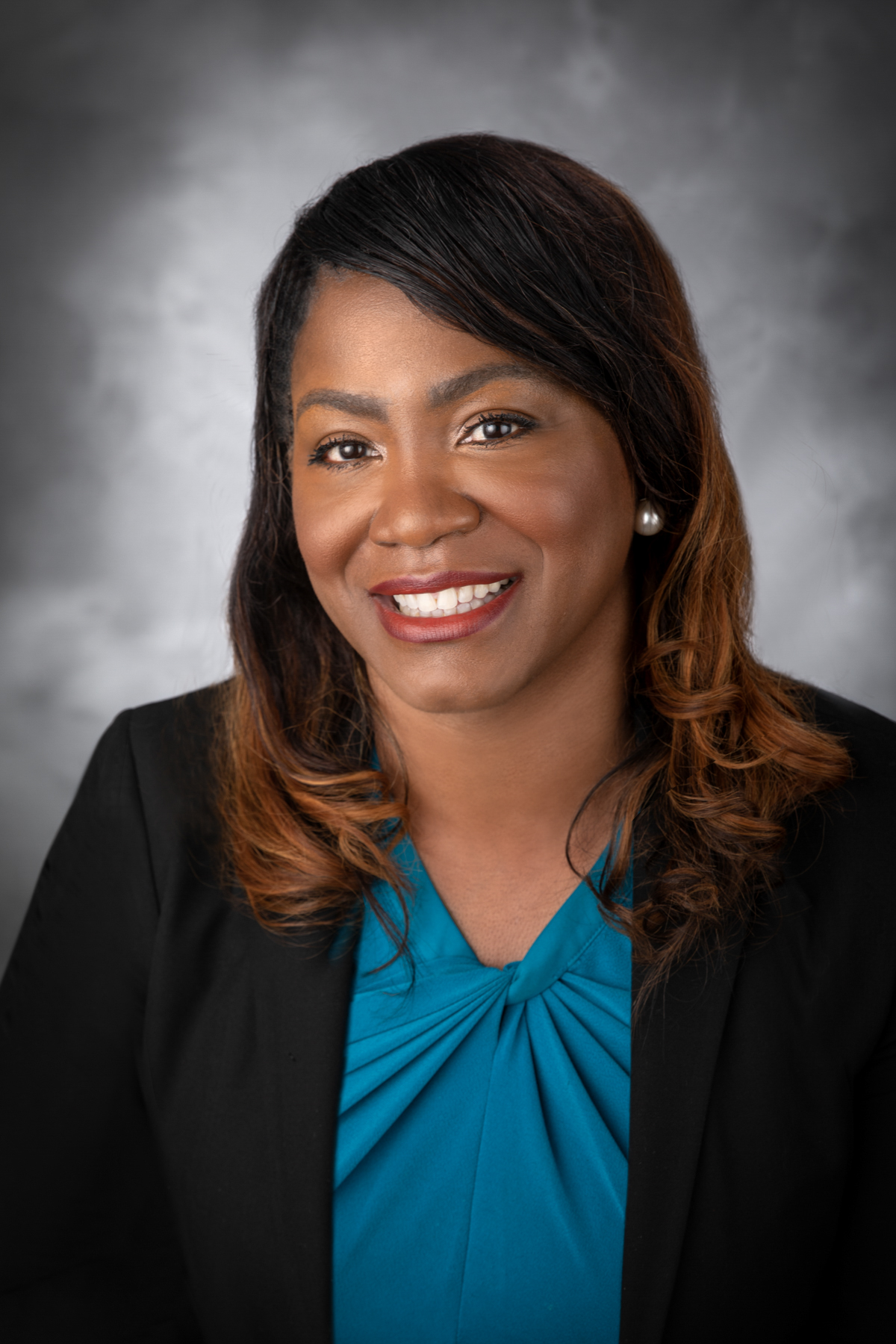
Joining me today is Jet Jatifa. Jatifa, I didn't want to say it wrong. Jatifa Miller, director of Quality for Riverside's cardiovascular and neuroscience service lines.
Welcome. They call you Jay?
[00:01:19] Speaker B: Everyone calls me Jay. Okay, I'm going to call you Jay too.
[00:01:22] Speaker A: Welcome, welcome. Glad to have you.
[00:01:24] Speaker B: Glad to be here.
[00:01:25] Speaker A: Yes. To start off, can you tell us about your role at Riverside and stroke prevention and education and how that shows up in your everyday work?
[00:01:38] Speaker B: Okay, so I am a neurovascular nurse practitioner by current trade, and then I'm also the quality director for neurosciences and cardiovascular health. And so one of the things, or a couple of the things that I actually get to do is to work with a good team of navigators, coordinators, data analysts. And we really do focus on not just how we educate the community, the patients and the families, but also how do we improve patient outcomes if they should suffer a heart attack or a stroke or need cardiac surgery or some type of neurosurgery. We spend a lot of time in the community, we do a lot of education, and we really do focus primarily on primary prevention. And those are the things that you can do before you even have an event.
So there's primary prevention, which we do focus a lot on in the community, and then secondary prevention are going to be the things that we do after someone suffers a stroke or a heart attack.
[00:02:37] Speaker A: Right.
[00:02:37] Speaker B: A lot of the things that we talk about are education, knowing your signs and symptoms, advocating for yourself, the right places to get education, because everywhere is not a good place to get it. You know, Dr. Google is definitely not it. You know, so we really want to make sure that people feel empowered with the information that we give Them to make choices for themselves and for me to help make choices for their family members and, you know, the people that they love. So I get to do a lot of great work and a lot of good projects that really, over time, have really helped support and improve the outcomes of patients. So we're really happy about that.
[00:03:14] Speaker A: Yes. Well, I may be biased, but yes, I just salute you and your team and all the great work that, that you're doing.
Many people think of heart health and brain health separately.
They don't. They don't see them as being connected, but they are deeply connected. Can you explain the relationship?
[00:03:33] Speaker B: Yeah. So the heart is our body's engine, and so everything starts from there. All of the blood vessels that feed the brain, they come from originating off of the heart itself.
And so people separate sometimes cardiovascular disease and neurovascular disease, but they can be one in the same. They develop very much in the same way, their blood vessels, all in all. So like things like cholesterol, the same way you can get cholesterol buildup in your heart or in the blood vessels, even people forget, maybe in your legs, like peripheral vascular disease, you can still have that same type of buildup in the arteries in your brain.
So as your heart is pumping, you know, it pushes blood out of the heart into the different blood vessels. And you have large vessels that feed the vessels in the brain and deliver blood and oxygen and nutrients there. And so people do separate them. But if everyone just remembers, heart health really does affect your entire body because it is the center source, it is the engine, and I guess the origin point for all of your blood vessels and the way that blood moves in your body.
[00:04:45] Speaker A: That's a great way of putting it.
Great information.
So when we talk about that connection, what are some everyday things people might not realize that are affecting both the heart and their brain?
[00:04:59] Speaker B: I think one of the things people don't think about is rest.
So many people say, like, you know, I'm a four hour or a five hour, you know, a night type of person. But really recovering your body is so important and giving it that time to rest and heal.
Stress is another one. And I think as mental health becomes very important and takes a center stage in some, some aspects, people are starting to realize how much stress can affect your body, can affect your heart, can raise your blood pressure.
And then also when people are stressed, they don't take as good a care of themselves, you know, so you may not exercise, you may not eat the right foods, you may not see your physicians, or, you know, your Providers to get the care that you need and not adhering to your medical plan. Right. So people ignore symptoms of things that they're feeling or they have a medical plan and they're like, oh, I'll just, you know, I'll get when I can. Later, later.
Or they're told, you need to make these changes in there again, you know, later, later.
And so not really being a good advocate for yourself is also, you know, is one of them. So if you're given a plan of care and they're like, you know, you should exercise, for instance, 150 minutes a week. Right. Like, people get overwhelmed thinking about that. But it's like, what do you spend 30 minutes a day doing that you could give up, Right? I mean, I'm guilty. I'm looking at you because I know I'm guilty, you know, and you watch 30 minutes of television or whatever.
[00:06:30] Speaker A: Yes.
[00:06:31] Speaker B: Replacing small 30 minutes and being intentional about it, you know, like being intentional about how you take care of yourself is so important. And so I think when people realize, you know, stress, what you eat, what you do and how you move, all of those things are. Are really simple things you can start with. They don't have to be drastic, but you have to be committed.
[00:06:52] Speaker A: Great information and. Very true.
[00:06:54] Speaker B: Yes, they are.
[00:06:55] Speaker A: But we always. I know. I always feel like, oh, I have more time, I can do it tomorrow. And then the next, it's another New Year's resolution because another year has gone by.
[00:07:03] Speaker B: Yeah. So I know for me, when I want to go to the gym, for instance, I bring my gym bag with me. Okay. I used to say, I'm gonna go home and I'm gonna change and then I'm gonna go to the gym.
[00:07:13] Speaker A: Right.
[00:07:14] Speaker B: But then I realized, you know, sometimes it's just the force of habit just kind of moving the obstacles out of your way. So if you package and bag or you plan in your day or you plan it on your calendar already, you can usually commit to it a little bit, a little bit better.
Even planning your meals, you know, people who kind of eat on the whim. When you don't plan your meals, you tend to eat things you probably shouldn't eat. So I think it's the planning and the commitment, but it's hard. I'm not. I'm not perfect either.
So. Yeah.
[00:07:44] Speaker A: Okay, good stuff. When you talk about stroke prevention, what are the biggest risk factors people should be aware of?
[00:07:52] Speaker B: Okay, so there are going to be modifiable risk factors, which are the things you can change, that you have some Control over. And then there's the non modifiable ones. We can't do anything about age, we can't do anything about gender, we can't do anything about race.
And so those things are just naturally there or genetics, so you can't do anything about those. The modifiable ones are gonna be high blood pressure, diabetes, sedentary lifestyle, high sugar intake, smoking and high alcohol consumption. Those are the things you have some control over. And so with diet and exercise you can address three of those, right? Hypertension, diabetes, sedentary lifestyle.
As your blood pressure gets higher and so the sugar in your body as well, it stiffens the blood vessels in your heart and in your brain. As they stiffen, they don't move as well. They are likely to maybe break or cause a plaque rupture when you eat. High fatty diets then same thing, cholesterol deposits. And I like to think of cholesterol like party attendees. They like, oh, it's a party over here and they're gonna keep grabbing a couple more with them.
You have the good cholesterol and the bad one. The goal is to kind of use the good cholesterol, your HDLs, to keep your bad cholesterol, the LDL in check. They're like security for your cholesterol.
If you don't, then that cholesterol builds up in your blood vessels and that's how you end up with blockages in your heart and other vessels like in your brain as well. So I think modifiable again, hypertension. So low sodium diets.
And I think people again get overwhelmed with trying to modify their diet. But the first step is just what you eat. And so thinking about having, when you look at your plate, making sure it's primarily grains and fruits and vegetables. And then the smaller sections should be low dairy fats or protein, lean protein, you know. So thinking about that and starting looking at nutritional, like the, the nutritional facts on packages.
[00:10:05] Speaker A: Yes.
[00:10:05] Speaker B: You will never be amazed how much a serving is like, you will be amazed actually how much a serving is of like rice or chips or pasta, you know, and I think so many of us overload our rim of the. Yeah, you know, so those are some of the things modifiable that you, you can do watching what you eat. And again, the 150 minutes of exercise a week, you can split it however you want. And it's enough to get your heart rate up. It doesn't have to be crossfit or anything running a marathon, but just enough to get your heart rate above resting at least 150 minutes. So that can be 50 minutes three times a week, 30 minutes five times a week. I mean, power to you if you want to do 150 at one time. I can't, but you know, I can't either. Those are the things that we have control over. And so really focus in on those things.
[00:10:53] Speaker A: Okay, good stuff.
Are there risk factors people may not realize are putting them at risk?
[00:10:59] Speaker B: Definitely. Again, not getting enough sleep, not monitoring stress, mental health concerns, not adhering to medications. So not. Some people are like, oh, I'll take it every other day, or you know,
[00:11:13] Speaker A: a half, I'll take half.
[00:11:15] Speaker B: You know, really making sure that the, those things you are prescribed that you do as your medical provider tells you. But also I think not having community is a big thing. When you are in poor health and you don't have enough people educating you or supporting you or rallying around you, you tend to struggle in silence sometimes. So making sure you are really vocal about where you are and making sure you ask for help.
I think patients put themselves at risk when they don't make informed decisions. So you want to make sure that you have a good relationship with whomever your provider is. And if you need to have a trusting relationship, that's going to be built between having those conversations. So I tell patients, and this is in my current everyday practice, get a notebook and a pen. Whenever you go to the your provider's office, no matter who it is, you write things down. What was your blood pressure that day? What did they tell you? What recommendations should you make? And then also make sure somebody has access to it, because if something happens, you want to make sure someone can, can go and pull the record from your perspective as a patient. And I say it, and my mother knows same, I do it at home when she's asking me something like, where's your, where's your book? Like, let me get that book so I can see what did I tell you the last time? Or what did they tell you?
So I think one of biggest things people forget is how important it is to have community and to have a really strong advocate to take care of yourself. So those would be my biggest. Those are good ones.
[00:12:51] Speaker A: Really good ones, really good ones. This is where prevention becomes really empowering.
Let's talk about what people can actually do, starting with managing blood pressure, which is a big one. Cholesterol and diabetes, those are the big three.
[00:13:08] Speaker B: So diabetes is going to be really watching your sugar intake. There are some people who just naturally have diabetes and can't do anything about it. In those situations, adhering to your regimen, if you're prescribed meds to take them, a lot of people who have the diabetes that you kind of.
Or type two, yes. That is not something you could help or you can help, right? You can modify those. But you want to make sure when you have, if you have type 2 diabetes, you're taking the medications that you are prescribed. Exercising, watching your diet, when you are looking at food, you want to make sure if you're looking at it and it has 32 grams of sugar in it, you really look at that, that content and minimize the added sugar. People don't realize how much a gram of sugar really is or how much a couple of grams are. And it's sometimes about a half a cup. If you look at it in certain things, like by the time it's dissolved and broken down, you wouldn't drink. You wouldn't drink a half a cup, like 36 grams of sugar and like a soda. Right.
So for those who are and are not diabetic, really watching your, you know, your, your sugar intake for cholesterol, watching, you know, avoiding saturated fats, fatty foods, really looking at lean meats and then high fiber and grain diets, they really do also help to keep cholesterol and diabetes in check.
[00:14:37] Speaker A: Okay.
[00:14:37] Speaker B: Getting rest, exercising, again, I keep coming back to that last reason.
I think that's a message for me. Exercise, exercise. You keep on saying it, but, you know, so many things can be resolved, it is true, by moving your body. You know, you lose weight, your blood pressure comes down, you lose weight or you die. You exercise, your cholesterol, your stress level comes down, getting those good hormones going in your body, that dopamine is really making it get up and go. People will be amazed at, you know, how much more focused you are when you exercise. And so it's good for heart health, it's good for brain health, it's good for mental health. So I think those are the things that people really can do to focus on prevention.
[00:15:21] Speaker A: All right, great information, Jay.
How do those numbers directly impact stroke risk?
[00:15:28] Speaker B: Okay, so when you think about diabetes, we check what we call like a hemoglobin A1C. Okay. And that gives you a picture of your blood sugar over a few months. Okay. It's a better picture than just taking it at one moment in time.
[00:15:46] Speaker A: Because some people may, because I'm only going to the doctor, I'm not going to eat anything.
[00:15:49] Speaker B: I want my level to be, to be a little bit lower.
[00:15:52] Speaker A: Right.
[00:15:52] Speaker B: But we trick you and we do an A1C and we get a picture of how you've been doing for 120 days.
[00:15:57] Speaker A: Right, right.
[00:15:59] Speaker B: As your A1C creeps up, you know, when it gets into that fives range, we might start having the pre diabetes conversations with. Right. The higher that A1C goes up, the more it indicates that your sugar levels, your blood sugar levels are higher on a day to day basis over 120 days.
So they give us a good indicator, a good flag. Same thing with blood pressure, the normal 120 or 140 over 80.
[00:16:25] Speaker A: Yes.
[00:16:25] Speaker B: That may vary for different people based on their conditions, if they have other things that need higher or lower blood pressure.
But in general, as we start to see those numbers go up, you know, what can we do about it? Is it weight? Are we. Are you. Do you need to be started on medications? And people ignore a lot of the things that they feel with it. As your blood pressure goes up, people sometimes experience like brain fog, like, I just can't think the way that I used to, or they consistently have headaches. And as a blood pressure goes up, it does put extra pressure on the blood vessels themselves, so they can either stiffen or just like a balloon, you know, under pressure.
[00:17:01] Speaker A: Right.
[00:17:01] Speaker B: So. But so much it can take and then it could rupture. And that's when you have the bleeding types of strokes.
So the numbers are very important. You want to make sure you work with your provider to keep it in range. When we get above 140 over 80, we really start to look at what things do we need to put in place to bring your blood pressure down into a normal range. If diet, exercise, and lifestyle modification aren't changing it for cholesterol, again, we look at total cholesterol optimally. You're less than 200.
If you have HDLs, again, that's the good cholesterol. And you have LDLs, you want to make sure your HDL is greater than 60 and your bad cholesterol, your LDLs are less than 100.
What that does is it helps protect the blood vessels. You need cholesterol. Not all of it is bad, but you want to make sure that your HDLS are there to help keep those other ones in check. As the numbers go up, you're higher at risk for plaque buildup in all of any of the blood vessels in your heart.
And as you have cholesterol buildup, you are at risk for a plaque rupture of that cholesterol that can cause a heart attack or a stroke. So all of those numbers combined, you know, you can be someone who has a really low A1C and good cholesterol and high blood pressure. And I say that personal experience, you know, yes, blood pressure is a little bit high and not ignoring it.
And so you're working with your provider and making sure you're staying up on annual visits, making sure you're getting labs if something feels wrong, really acknowledging it and getting help about it.
[00:18:34] Speaker A: That's good stuff. Yeah, good, good, good, good information.
For someone feeling overwhelmed.
Where's a good place to start?
[00:18:44] Speaker B: I would say diet number one is a good place to start. And exercise and not vigorous. I think you could start with small things like instead of eating out three times a week, maybe I do two.
Maybe if I don't exercise at all, I start with going for a walk for a few minutes every day after I eat.
A lot of people will do it on their lunch breaks.
[00:19:11] Speaker A: Right?
[00:19:11] Speaker B: Because you're already there, you're already at work and if the weather permits, you can go out and you can, you can walk. The only time that I would say incremental changes don't really work is with smoking cessation.
If you are a smoker, you are most successful at quitting when you quit.
[00:19:29] Speaker A: Right.
[00:19:30] Speaker B: You can't dabble in it. You can dabble. Most people struggle with the quitting of smoking when they're like, I'm just going to, instead of pack, I'm going to smoke like a third of a pack today. Because you're still feeding that, that craving. And so there are a lot of resources that we have both support groups like 1-800-quit smoking and you know, a lot of different things you can use that will help you with, I hate to say it, but with the cold turkey, yes. That's probably the main one. I would say you, you making an incremental change is a little more difficult. But start with if you can't do 150 minutes a week, make a goal of 30. You know, if you're only doing that and looking at what you eat, making sure your portions are correct when you make your plate, instead of using like a 10 inch plate.
[00:20:13] Speaker A: Right.
[00:20:14] Speaker B: Maybe use an 8 inch plate. If you're somebody who likes to fill it to, you know, fill it to the rim, use a smaller plate, you know, because then you are by nature controlling how much food you put on it. Right. Those would be some of the easier, the easier trip, the easier tricks I would say would, would help. And then getting a partner, I mean, my neighbor, she will say, you want to go for a walk today? And I may not. I may not want to go, I may not. But having someone say, like, we haven't been on a walk, or it's really nice outside, let's go for a walk, or your co worker or your cubicle mate, you know, just really having a partner there, having an accountability partner to say, I didn't see you walk this week. Right.
Those are the easy ways to jump into it.
[00:20:57] Speaker A: That's good. That's good stuff.
What does regular care and screening do as it relates to prevention?
[00:21:06] Speaker B: It.
I think regular screening and care, number one, it promotes good habits. Absolutely. And then early detection. Early detection, yes. So if you are someone who is going routinely, you make that a part of what you do. So you are staying in contact and in care of somebody who is watching those things. But it also gives you the opportunity to track and trend over time. So if you go and you get your blood pressure checked or you get your weight checked once a year, they're like, you know, from last visit, I saw that this went up. Or I saw that this. They sure do. His mind did.
I took my shoes off. Yeah. Everything. Took my keys out of my pocket, let me take off my sneakers. Let me wear something lighter. Right, right. But, you know, and it's good. And I am a person who, I believe completely in that. But they pick up on changes. Yes. And it gives you the opportunity to make changes that you need to, to. To prevent yourself from having, you know, fully diagnosed, pre diabetic patient. If you notice that the A1C is going up, like, hey, what can we do? How can we change this so that way you can avoid having it? Blood pressure control, same thing. Weight control.
So prevention really starts with primary. But how can we keep you from getting to this point, point where you have a stroke or a heart attack or some other chronic illness? So that's why primary care and prevention is so important. And if you don't have yourself established with a primary care provider, which some people don't, I would say to anyone listening, make that a goal. You know, get in relationship with a primary care provider and make sure that you're taking care of yourself.
[00:22:51] Speaker A: Okay. All right. What's the biggest message you want people to take away about stroke prevention?
[00:23:01] Speaker B: My biggest message would be, you are your best advocate.
You know your body and yourself better than anybody else.
You know your desires and your goals better than anyone else. No one can tell you what quality of life means to you. Right, right. That could be, I like riding my bike or I like playing the guitar or whatever that is you focus on what your quality of life means to you and what you want that to be.
And then you do the things that you have to do to prevent it. And you also need to know warning signs and take those warning signs, ingrain them in your head, share them with your family. So we in stroke, we call it be fast.
So balance, eyes, face, arm, speech. T you think time.
Balance is the easy one.
Eyes. Sometimes people say them going to one side or the other. But it can also be, you know, you're looking at the TV and all of a sudden you only see half of it. That's also one face. Is not just face droopiness, but face sensations. Are they different from one side to the next?
A arms, which also includes legs. But it's easier than style.
[00:24:16] Speaker A: Yes.
[00:24:16] Speaker B: Or whatever that would be. Yes.
Whatever that might sound like.
So we use arms and legs. If one of them is weak or feeling clumsy, you go to pick up a cup, you can't quite get it.
Speech. You think of not just slurred speech, but what you say and what you understand.
[00:24:33] Speaker A: Garbled.
[00:24:34] Speaker B: Garbled. One thing people now with technology, if you go to send a text message and you're like, man, I can't quite get this right. I don't know how to use this thing. I use every single day. All of that is a part of speech. And people forget that. So small changes in mentation and understanding and comprehension are included. And then t you think time. T can also be thunderclap headaches. So if your loved one has a sudden headache and all of a sudden they're like, this is the worst headache I've had in my life. That is also a stroke symptom. You want to make sure that you think t time and you call 91 1. Do not ever drive yourself into the hospital if you are thinking you're having a stroke or a heart attack. For heart attack, you think chest pain. Women have atypical symptoms. So it may feel like indigestion, jaw pain, shoulder pain. Men have classic left arm pain most of the time. But most people will describe it as feeling like an elephant is sitting on their chest, Feeling fatigue every single day or for unusually fatigued. Those are things that may be a sign of a heart attack. It's not always the large or the really significant.
My chest is hurting. Pay attention to the thing. So making sure you're aware. Again, if you think you're having a heart attack, call 91 1.
[00:25:53] Speaker A: Time is of the essence.
[00:25:54] Speaker B: Time is of the essence. So knowing the symptoms, advocating for yourself and listening to your body.
[00:25:59] Speaker A: That's great information.
Good stuff.
[00:26:02] Speaker B: Jay.
[00:26:02] Speaker A: Thank you so much for taking time out of your busy schedule to talk with us today. Happy to be here and to our listeners.
Protecting your heart and brain doesn't have to be complicated.
Small steps today can make a big difference tomorrow.
Know your numbers, make healthy choices, and do. Don't wait. Don't wait.
[00:26:24] Speaker B: Take action.
[00:26:25] Speaker A: Time is of the essence. Be fast.
If you found this episode helpful, share it with someone who might need it.
And as always, taking care of your health is an important part of a healthier you. Until next time, stay healthy.
Thank you for listening to this episode of Healthy you. We're so glad you were able to to join us today and learn more about this topic. If you would like to explore more, go to Riverside online dot com.