Episode Transcript
[00:00:00] Speaker A: From Riverside Health System. This is the Healthy youy Podcast where we talk about a range of health related topics focused on improving your physical and mental health. We chat with our providers, team members, patients and caregivers to learn more about how to maintain a healthy lifestyle and improve overall physical and mental health. So let's dive in to learn more about becoming a healthier you.
Have you ever found yourself wide awake at 2am googling things like is this perimenopause? Why can't I sleep? Why is my body changing? And no one warned me. And somehow you leave with more questions than answers.
If that sounds familiar, you're absolutely not alone. Today we're doing something a little different. We're talking about something that's very common and sometimes misunderstood. Perimenopause and menopause and putting them to test myth versus Medical reality. I'm Frankie Myers and this is Healthy U. Where we break down everyday health topics and connect you to the experts helping keeping our communities well.
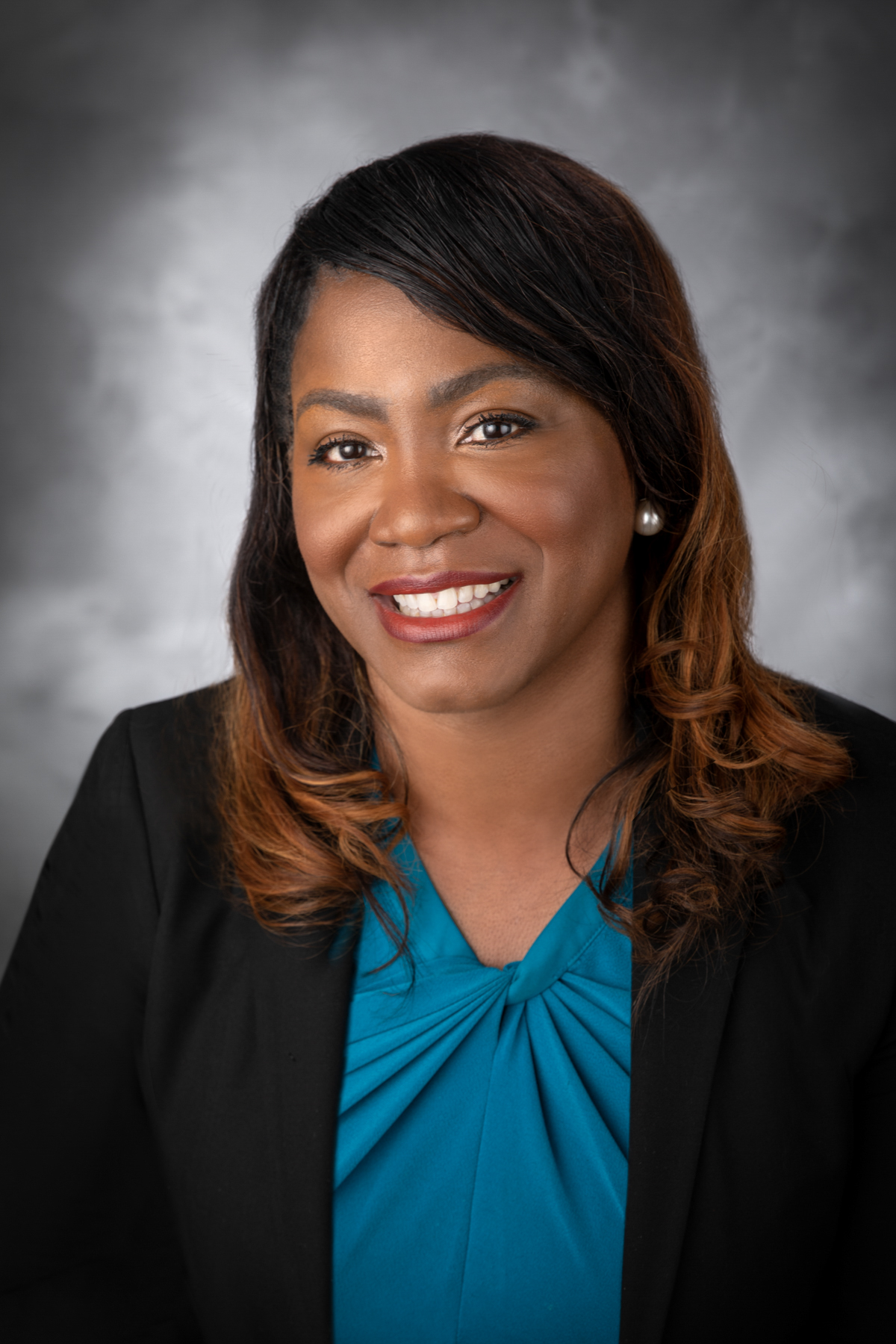
Joining me today is Dr. Diane Modela, a board certified OB GYN with Riverside Partners in Women Health. My doctor as well. She works with women across every stage of life and is especially passionate about helping women navigate this transition with clarity and confidence. Dr. Medela, welcome to the Healthy youy Studio. Thank you.
[00:01:32] Speaker B: Thank you.
[00:01:33] Speaker A: To start, can you share just a little bit about your work and what you're seeing from women right now as it relates to perimenopause and menopause?
[00:01:44] Speaker B: Yes. So, you know, as a full time gynecologist, I do take care of women of all stages of life, although my primary focus and passion really is at primary prevention of chronic women's health conditions in the menopause transition.
So there's a lot going on there in the menopause transition, as you and I both know.
But my job is to really help women understand what's going on in their bodies and in their biology.
And women are so unique in their journey in this process that it really is a very personalized and individualized approach.
So we go through the symptoms, we go through their medical history, we do comprehensive testing, and based on those results, we really come up with an individualized plan to help them navigate through these symptoms.
[00:02:36] Speaker A: Absolutely. And I've had my own personal journey. Right now I feel like I'm having a hot flash.
But yes, I definitely can relate.
All right, let's dive into it a little bit more.
These are real questions women are asking every day. And I know I get asked myself, my friend group and even in my family group.
Let's start with one that I hear all the time.
Should I just get my hormones tested so I can know if this is perimenopause?
[00:03:10] Speaker B: Yeah, this is the question I probably get every day.
So this is a very tricky question, but the real answer is no.
So perimenopause and menopause is a clinical diagnosis, and we use age and symptoms to help guidance.
So perimenopause can happen anytime after age 35. And then based on that, more commonly, we see symptoms once women hit their 40s, but it can start as early as 35.
And we use those symptoms in that age to determine if she's likely in perimenopause. And then menopause is once you go an entire year without a menstrual cycle.
And that is the clinical definition of menopause, which is one day, and then a woman is postmenopausal the rest of her life.
But there are nuances where hormone testing can be helpful. Okay, so for example, if you have a woman who's had a hysterectomy but her ovaries are still present, or a woman that has an IUD or has had an endometrial ablation, and they are no longer having periods, and so we can't use their menstrual cycle as a guide to where they are. Absolutely. Hormone testing can be extremely helpful.
If a woman is cycling every 28 to 30 days and has a very predictable menstrual cycle, hormone levels can be checked to get an idea of the ovarian function, but it can't be randomly done. It has to be timed with where they are in their menstrual cycle. So normal levels are really going to be reflective of whether they're in the follicular phase or the luteal phase. So there really is specificity there.
Although it's not needed to diagnose perimenopause
[00:04:47] Speaker A: and other things can change your cycle. Right. Stress.
[00:04:50] Speaker B: Oh, yeah, yeah. So thyroid disease, stress, you know, medications.
So, you know, testing hormones can be very. Especially in perimenopause when women aren't having regular periods. Right. It's like trying to hit a moving target, you know, because their hormones are on this roller coaster, and so there is no rhythm, there is no method. And so checking those hormones really is not helpful in the perimenopause transition, and
[00:05:14] Speaker A: it can be costly. So you don't want to be navigating those things if it's not necessary.
[00:05:18] Speaker B: Sure.
[00:05:18] Speaker A: That makes sense.
All right, that's really interesting. Interesting, because I think a Lot of people expect a simple yes or no answer to some of these labs and some of this testing. So that's why I really wanted to clarify that and I'm glad to hear you reiterate that for us. So what are the signs women should be looking for or paying attention to? Dr. Mandela? I know I have had my own, but as I talk to other women, it just varies. No one has the same symptoms. Right.
[00:05:52] Speaker B: Because it affects everything.
[00:05:54] Speaker A: Yes.
[00:05:55] Speaker B: So a lot of women disassociate these symptoms with perimenopause because their bowel movements are changed or they're all of a sudden feeling depressed or anxious or, you know, they're having right shoulder pain.
And it's not always related to declining hormones. But a lot of times in midlife there is an association with these really non classic symptoms with the perimenopause transition because it does affect every organ and system in the body. And women have to understand that it is all interconnected.
So. Absolutely. So obviously the most common thing women think about are hot flashes, night sweats, insomnia, but the range is vast. And you know, musculoskeletal pain, joint pain, constipation, undiagnosed ADHD is really prominent in midlife. You know, women suspected they have adhd, but they've compensated their entire life and then they hit perimenopause and they just can't focus anymore. And that's when this midlife ADHD diagnosis really manifests. So there's so many symptoms and I think as clinicians, we all need to be mindful that how old is this woman? Where is she in the perimenopause transition? And could it be related to declining hormone levels? Because a lot of times there is some association there.
[00:07:07] Speaker A: Yes. And I think having a really good rapport with your GYN is so important.
[00:07:12] Speaker B: Yes.
[00:07:12] Speaker A: And your primary care, if you're using primary care solely, which I know the younger generation, my daughter, you know, you may not have, they can help, but may not be able to manage all of that. You might need to have that specialty so that you can have those deep conversations. I know that that helped me. Right. To drill down into what's going to work for me personally.
Next question.
As this is one, this, this particular question. When you think about hormone therapy and pellet therapy, which really wasn't familiar with, is it safer because you use bio, what identical kind of markers or hormones?
[00:07:53] Speaker B: Yes.
[00:07:54] Speaker A: Can you talk a little bit about that? You can tell I'm out of my wheelhouse.
[00:07:59] Speaker B: Well, pellet therapy is quite Popular.
And it really became popular after physicians stopped really prescribing hormone therapy after the Women's Health Initiative. But it's very, very even popular. And to this day.
So what pellet therapy.
And let's go through, let's go through the definition for people that don't, don't know what it is. So there's.
It is bioidentical. Compounded pellet hormone therapy is.
Bioidentical means that the hormone is chemically similar to the hormone that we make, okay? So therefore it binds to the receptor with, with great affinity. So that's what bioidentical means. And when it's given in pellets, it's in a compounded form. And what compounded hormone therapy is, is a non FDA regulated hormone, okay? So hormones that are FDA regulated go through rigorous clinical trials looking, looking at potency, purity, safety and efficacy, okay. With thousands of people. I mean, these are rigorous trials that are done for these particular reasons. And so when we get an FDA approved medication and we're prescribing to our patients, there is a large amount of safety data there before we give it. We do not have that with pellet therapy. These are non FDA regulated and approved medications.
My other problem when women receive pellet therapy is it's given in a capsule subcutaneously under the skin. And this hormone lasts for up to three to four months. But once it's in, you cannot take it out. So if a patient has a significant side effect or significant bothersome symptoms with it, they have to ride it out.
And depending on who put it in and how much hormone they actually got, it can last more than four months. It could last up to a year.
[00:09:42] Speaker A: Whereas it's a pill or a patch or gel, you can just stop using.
[00:09:46] Speaker B: It has a short half life. So, you know, so it's, it's bothersome for that reason. And also, these hormone therapies tend to be dosed in much, much higher physiologic hormone amounts than what we would normally deem safe in a, in the menopause woman.
So a lot of these times women can have irreversible complications or side effects from pellet therapy. And some of that is hair loss, balding, abnormal bleeding. So there's a significant amount of women that will have abnormal bleeding from testosterone and estradiol pellet therapy. And some of them will end up with a hysterectomy or have the diagnosis of endometrial hyperplasia. And this is typically when women have been on it for a very, very Long period of time. So I see a lot of these come complications.
And so they are touted as safer because they're bioidentical. We have FDA approved bioidentical hormones too. And we can say with 100% safe, 100% certainty that they're clinically safe because
[00:10:44] Speaker A: of the rigorous testing.
[00:10:46] Speaker B: Because of the rigorous testing. You cannot say that with pellet therapy. There are no randomized clinical control trials. There's no safety data. And I think that's where patients as consumers really need to be aware that even though they're being marketed as safer because they're bioidentical, there is no data to support that at all. And clinically, I actually see the opposite.
[00:11:05] Speaker A: That's good stuff. Yeah.
[00:11:07] Speaker B: So we have great FDA bioidentical options. And. And that's why, you know, when patients come in, we have that discussion between what's the difference between the two and why, in my opinion, the hormones that we use that are FDA regulated and. And approved are the safer option.
[00:11:23] Speaker A: Wow, that's great, Great information.
So what should women be asking? What questions should they be asking to their provider before starting hormone therapy?
[00:11:35] Speaker B: Well, I think when women come in, they're really coming in mainly because of symptoms. But I think the number one question is, is it safe for me? And this is where it's truly an individualized approach, because every woman has a different family history, a different medical history.
Every woman has a different goal. You know, some women think they want to be on hormone therapy because it's going to help them lose weight, and we'll talk about that later, because that's not what happens.
[00:11:59] Speaker A: It's a combination of things. Right?
[00:12:01] Speaker B: Yes. So women come in with symptoms, but I think ultimately women need to let me know or let their clinician know. What is your why?
[00:12:08] Speaker A: Right.
[00:12:09] Speaker B: You know, if you're coming in asking me to be on hormone therapy, why do you want to be on hormone therapy? And usually it's a symptom, but sometimes women are just asking because they saw it on social media and they think they should be asking.
And some women don't know if they want to be on it or not. But I really think just having a good relationship with your provider and them knowing your history, or if they haven't met you before, getting to know your history and your goals and your why really help guide management.
[00:12:37] Speaker A: And I don't mind sharing my. I sleep eight hours a night now.
[00:12:41] Speaker B: Oh, good, that's great.
[00:12:43] Speaker A: I'm on hormone therapy and progesterone, so we had to add that I feel more like my younger self than I have in many, many years.
And I was not open to any kind of replacement hormone therapy at first because my mother just. Historically, there was this misconception that it causes cancer, and so I wouldn't even consider it. So I'm thankful for the work that you've done with me, so I appreciate that.
So I want to pause on this next one, because I think it carries a lot more weight.
I was never offered hormone therapy in my 50s.
Did I miss my chance?
[00:13:27] Speaker B: Yeah. So, you know, I get this question all day long, and it's for women either in their 60s or even in their 70s, you know. You know, now that the attention on hormone therapy is out there, you have this generation of women who feel like they missed the boat.
And when they come in and they. They ask me that, and they're really concerned that they were never offered hormone therapy. What I say to them is, menopause hormone therapy is not and has not been indicated or approved for primary prevention of cardiovascular disease and dementia.
It's not.
There's so many more impactful things that women can do and have been clinically tested and trialed and approved for prevention of cardiovascular disease and Alzheimer's dementia and vascular dementia.
And it's really lifestyle.
And I see these women in their 70s and their 60s, and they exercise, they eat well, and they're doing just fine.
You know what I mean?
[00:14:28] Speaker A: We see them. Yes.
[00:14:29] Speaker B: And they didn't have a lick of hormone therapy in their 40s and 50s. So I always tell them, absolutely. And, you know, of course, breast cancer survivors are also in that group, you know, where they didn't have the opportunity or the option. And so I always say to them, absolutely not. You know, you didn't miss anything, because everything you're doing is supporting exactly where you need to be.
[00:14:48] Speaker A: Yes.
[00:14:48] Speaker B: So I think that's the last thing women need to be concerned about, is that they miss the opportunity because there's so many other modifiable factors. Respect or modifiable lifestyle habits. They can do so much more impactful than hormone therapy itself.
[00:15:03] Speaker A: Well, this podcast and education like this will help women explore it. You know, during that time, I was recently interacting with someone, and they were just profusely sweating, and they're outside of the age range, and they said, I wish I had, you know, sought out hormone replacement.
[00:15:23] Speaker B: And, you know, women over 60, they. It's. There's. It's not a hard stop.
[00:15:27] Speaker A: Okay.
[00:15:28] Speaker B: It's a conversation.
[00:15:29] Speaker A: Okay.
[00:15:30] Speaker B: So women need to understand risks and benefits of starting Menopause, hormone therapy later in life, because there are a little more risk than benefits, but there's still potential good there and, and, and, and still an option. But it definitely is a conversation that
[00:15:46] Speaker A: needs to be, don't count it out, that conversation.
[00:15:49] Speaker B: It's not an absolute. No, but it's a conversation. And ultimately I think it's, you know, unless it's life threatening, ultimately it's the patient's decision because it's their life.
[00:15:58] Speaker A: Yeah. And what are the do the benefits?
[00:16:01] Speaker B: What are the benefits? What are the risks? And I think that's my job as the clinician to really inform them.
Benefits and risk. But ultimately the patient is their own advocate and then you make the decision what's best for them. So it's not a hard stop at 60. It's a conversation. And it's really going to be based on their medical history, on their symptoms, on their labs. So it's a real conversation. So it's still an option, but it is a conversation to be had.
[00:16:27] Speaker A: Yes. Good stuff. That's really reassuring.
So if hormones are not the answer here, what does support brain health in this particular stage?
[00:16:38] Speaker B: Yeah, so I mean, it's really just the boring stuff that physicians have been saying for years, but it's, it's the truth. And this is where I think, you know, as a society, we just want an easy fix and true health. There is no easy fix. You know, so lifestyle is really where, especially in menopause and perimenopause will, where women really need to lean into because it really does move the needle. And so obviously regular exercise, heart, healthy diet, a nutrient dense diet, adequate sleep, stress management, good personal relationships, getting out of toxic relationships and friendships. I mean, all of those, I mean clinically and decades of research are more effective at protecting your heart and your brain than any drug you could possibly take.
So it sounds very, you know, like
[00:17:40] Speaker A: we should know that, we should know
[00:17:42] Speaker B: this, we should do it now, there and we'll talk about this later because I'm sure that question's coming up. But there are some nuances and more specific things women can do in that, in those realms that are more helpful.
But we'll get to that question later.
[00:17:55] Speaker A: We'll get to that. Okay. Yeah. All right, so here is a big one.
Should all women start hormone therapy after menopause?
[00:18:04] Speaker B: No.
And I say that because, and well, the thing is, so you have two sets of women. You have perimenopause and you have menopause. These are two completely different hormone states.
And hormone therapy is an option for both perimenopause and menopause. But once again, it's extremely individualized, and so it shouldn't. And this is kind of where I think the pendulum is swinging. So before, after the Women's health initiative in 2002, it was. Everyone was off hormone therapy.
Now the pendulum is swinging towards in the middle. It's where it should be. So prior to the Women's Health Initiative, everyone should have been on it. That was. Everyone was on it. Everyone was on it. And then Women's Health Initiative, no one was on it. Now we're at a time where the pendulum is in the middle, which is where it should be. And what the middle means is it's an individualized approach based on a patient's symptoms and based on the woman's medical history.
So, no, not all women need hormone therapy.
So is it. Should it be a discussion for every woman that's in the perimenopause and menopause period? Absolutely.
[00:19:15] Speaker A: Because I feel like I suffered for a lot for a while.
[00:19:17] Speaker B: Yes.
[00:19:18] Speaker A: You know what I mean? Before I got the right information.
[00:19:20] Speaker B: Right. And I think the right information really is important to have. And that's why I worry, because I think a lot of women are getting information on social media, and some of that information is really good, but some of that information is really bad.
[00:19:34] Speaker A: Right. So agreed.
[00:19:36] Speaker B: So accurate information is very important.
[00:19:39] Speaker A: Yeah.
Good stuff.
So it really comes down to individualized conversations and care and plans.
[00:19:49] Speaker B: Yes.
[00:19:50] Speaker A: That all. It's not one size fits all.
[00:19:52] Speaker B: Absolutely.
[00:19:54] Speaker A: Okay, we have to talk about this one. Why does it feel like you can do the exact same things you did in your 30s and suddenly nothing works? I'm not.
Yeah.
[00:20:07] Speaker B: Are you talking about weight gain? Is that right?
[00:20:09] Speaker A: Yes. Okay.
[00:20:10] Speaker B: You had to be more specific because I was, like, doing what? Okay, so gaining weight.
[00:20:14] Speaker A: Wait, weight? Yes. Yes.
[00:20:16] Speaker B: Right.
[00:20:16] Speaker A: Yes. But I can say my weight is getting better, particularly my abdominal girth.
[00:20:25] Speaker B: Yes.
So there is data to support now. Okay. So weight loss is a completely different thing.
So. But when you are on estradiol therapy or hormone. Menopause hormone therapy, it does affect your body composition. You have. You're less prone to storing your body fat abdominally.
[00:20:46] Speaker A: Okay.
[00:20:47] Speaker B: Which is what menopause women tend to do. You know, we have this Android distribution of fat, which just means we start looking like men with beer bellies. You know what I mean? Yeah. And it's because of the loss of estrogen. So we do know that estrogen therapy does help with some of that body composition, but it's not the hormone therapy alone that does that.
[00:21:05] Speaker A: You still have to watch what you eat and exercise.
[00:21:07] Speaker B: Correct.
[00:21:08] Speaker A: Get your sleep.
[00:21:08] Speaker B: Yes. So if I'm just going to slap a patch on you, your belly's not going to disappear. That's not what happens. But it does, you know, on a cellular level, really help with your insulin sensitivity. So this is why all women in midlife and menopause perimenopause notice weight gain is because we are in a state of an insulin resistant storm. Okay. So insulin resistance is the way our body metabolizes and utilizes glucose. And as we age and as we lose our estradiol protection, we become more insulin resistant on a cellular level and even on a physiologic level. And then you compound lack of sleep, which increases your insulin resistance. You compound loss of muscle mass, you compound that with increased stress, which relates in higher cortisol secretion.
And then, you know, you just get this perfect storm of insulin resistance. And so the body is holding on and storing glucose straight to fat. Unless you're doing something proactively to make your body more insulin sensitive. Yes. And it really is biology, I mean, and physiology and women need to understand that what they are doing in their 30s and 20s, they is no longer going to be efficient and effective for where they are because their physiology changed.
[00:22:28] Speaker A: Yes. Yeah. Yeah.
[00:22:29] Speaker B: So that's why when women do hiit for an hour and they're still gaining weight and they're saying, it worked for me when I was, you know, I used to be able to just lose five pounds, you know, with calorie restriction and hard exercise, a menopausal woman is going to respond completely opposite to that. Calorie restriction is going to increase your cortisol, make you hold on to fat.
Rigorous high intensity exercise.
[00:22:56] Speaker A: You're gonna injure yourself.
[00:22:57] Speaker B: You're gonna injure yourself, but you're also gonna further increase your cortisol, which makes you hold on. So the exercise and the in the. And the diet routine that you used to do is no longer going to be effective. And so you have to evolve with your physiology to see real results.
And this is where I think, you know, when women come in and speak to their providers, it is an awakening that they have, you know, that, that this is why what they're doing isn't working anymore.
[00:23:28] Speaker A: Yeah, yeah.
[00:23:29] Speaker B: So we'll talk a little bit more about that too.
I'm getting ahead of myself. I apologize.
[00:23:35] Speaker A: No, no, I already know what the
[00:23:36] Speaker B: questions are gonna be.
[00:23:37] Speaker A: I love it. I love it. I love your passion and your Knowledge. This is great.
So what actually works?
[00:23:43] Speaker B: Yeah. Okay, there you go. Finally. Okay, let's. So finally we get to the question. So strength training, resistance exercise. I cannot emphasize this enough. Muscle, muscle, muscle. Because as we age, we're losing muscle. As we go through menopause and losing our hormone, we're losing muscle. Muscle is the largest reservoir for glucose.
[00:24:06] Speaker A: Okay.
[00:24:06] Speaker B: So the more lean muscle you have, the more these the glucose is, the more insulin sensitive you have. And the glucose will get stored in muscle instead of getting stored into fat.
So I think women, you know, women are like, I can't strength train, but yet they pick up their 30 and 40 pound toddler or child and their 50 pound groceries, but then they go to the gym, they pick up the five pound dumbbell, and, you know, it's just like, I'm looking at her like, yes, you can. Like you, you do it every day. You just got to do it in a more thoughtful way and in a consistent amount of time.
So women can do amazing things. But I think they're intimidated about strength training. Not as much anymore. I think there's more awareness that, you know, women need to strength train. But I really feel like that is where women can really move the needle when they're trying to lose weight because it increases their metabolism, it makes them more insulin sensitive. It protects your bones.
[00:25:01] Speaker A: Yes.
[00:25:01] Speaker B: You know, and muscle will keep you out of a nursing home, you know,
[00:25:05] Speaker A: so frailty, that's incentive enough.
[00:25:07] Speaker B: That should be incentive for every single woman.
[00:25:09] Speaker A: Absolutely.
[00:25:10] Speaker B: Because it's all about vitality and mobility and being independent, which is what every woman should strive for at every stage in their life. But this is where, this is where women fall off the boat. And so as you lose that muscle, you're. You're potentially setting yourself up decades from now for frailty.
[00:25:27] Speaker A: Yes. And you're not just saying that. The viewers can see. I mean, you look like a Runway model.
[00:25:32] Speaker B: Oh, no.
[00:25:33] Speaker A: Yeah. I mean, you're practicing what you're preaching, right? To us.
[00:25:38] Speaker B: Makeup helps.
[00:25:39] Speaker A: No, that you have a whole composition that looks great. So that's great information.
[00:25:46] Speaker B: Yeah. The strength training and then. I'm sorry, I just wanted to add the zone 2 cardiovascular. My patients that know me have heard this conversation are probably going to be like yawning by this point.
So zone two. Are you familiar with zone two?
[00:25:59] Speaker A: The zone two heart rate, Is that the burning zone?
[00:26:03] Speaker B: Yes.
[00:26:04] Speaker A: And that's a hard zone. No, I did orange theory. That's why I stopped, because I.
[00:26:08] Speaker B: Zone two is the easy zone. This is where women are confused okay.
[00:26:13] Speaker A: Okay.
[00:26:13] Speaker B: So zone three and zone four. So zone four in orange theory is the hard zone. Okay. So that's zone four.
[00:26:18] Speaker A: It felt from zone one. It felt bad for me.
[00:26:22] Speaker B: We need to work on your VO2 max.
So zone two is really where I think women are missing the boat on their cardiovascular exercise. So resistance training is obviously important, like we spoke about. Yes, but cardiovascular is equally important, and that's for your brain and your heart. One of the ways to prevent dementia and cardiovascular disease is cardiovascular exercise. Right. So RDA recommends 150 minutes a week, but zone two for women in menopause is really highly effective because when you are at 60 to 65% of your maximum heart rate, which is, for example, the way to calculate that is 180 minus your age.
Okay. So when you're at zone two, you are tapping into your fat stores.
[00:27:03] Speaker A: 120, 130, 120s maybe.
[00:27:06] Speaker B: So for women in their 60s, it'll be like 121, 30. Yeah, yeah. Which is a brisk pace. It's not even a run for most women.
You tap into your fat stores for ATP production, for energy production. So ATP is what our bodies use for energy and that's what it's using when you're exercising. So in Zone 2, you're tapping into your ATP production from fat.
[00:27:26] Speaker A: Okay.
[00:27:27] Speaker B: Which is where women want to lose weight.
[00:27:28] Speaker A: Right.
[00:27:29] Speaker B: When you go to the higher heart rate in zone three, zone four, you're tapping into glucose and glycogen. Your fat is just hanging out.
So and women, and that's where most women tend to be when they do cardiovascular exercise.
[00:27:42] Speaker A: Right.
[00:27:42] Speaker B: In zone three and zone four, they're sweating, they're. Oh yeah, they're breathing heavily. And that's good for short bursts. 10, 15 minutes.
[00:27:50] Speaker A: Circuit type training.
[00:27:51] Speaker B: Yes, yes.
[00:27:51] Speaker A: But when you're doing that sustain, right.
[00:27:54] Speaker B: You're, you're not doing anything that's helping your body, you're increasing your cortisol, you're not burning fat, you know, so zone two, 30 to 45 minutes, is where really women need to hang out in cardiovascular exercise. And if they're going to do zone four, 10, 15 minute bursts.
[00:28:08] Speaker A: Okay, that's good information.
[00:28:11] Speaker B: So I think that.
[00:28:11] Speaker A: So people think faster, harder, you know, all the time.
[00:28:14] Speaker B: Yes. Exercise smarter, not harder.
[00:28:16] Speaker A: I like that.
[00:28:17] Speaker B: That's what I encourage women to do in midlife.
[00:28:19] Speaker A: Okay, you heard it here. Yeah, that's doable. And finally, what is the difference between oral and transdermal? I can tell them this. Estrogen therapy.
[00:28:31] Speaker B: So both are options for Women, oral estradiol. And we typically, most modern providers of menopause hormone therapy use bioidentical hormone. And there are some providers that still use synthetic estrogen. And I don't know why, but some do. But ideally, bioidentical estradiol is the safer option for women and the more effective option. So when women take estradiol orally, it gets broken down through the liver. We call that first pass metabolism.
And when it does that, it releases clotting factors in the liver. And these clotting factors increase potentially, or they do increase a woman's risk for thrombosis in the leg. So deep vein thrombosis, stroke, low chance, but myocardial infarction, which is why those risks, we see that with birth control, it's the same thing, it's oral estrogen. It's because it goes through this first pass metabolism.
The chances in younger women of having those complications are very low on oral estrogen, but it does increase as women age. So the older a woman is, the risk with oral estrogen does increase for those, those complications. If we give estradiol transdermally, so that be through a patch of skin, through the skin, a patch, a gel cream, a spray, it bypasses the liver for that first pass metabolism. And so they, they don't get the release of those clotting factors. So the risk for deep vein thrombosis and for stroke is significantly, much, much lower.
And so that's why we always tend to go the transdermal route for safety. But there is a place for oral estradiol. So women that go through premature menopause, so women that go through it before the age of 40, a lot of them probably would benefit from that higher oral estradiol, but they are also less likely to have complications, thrombotic complications.
So it's an option and once again, it has to be an individualized approach. But there are, there are reasons why most providers will go with the transdermal route because of the safety profile with transdermal estradiol.
[00:30:43] Speaker A: Alrighty, another great question. So another great example of why these decisions really need to be personalized.
You know, not one size fits all. Before we wrap up, I'm going to ask you a few quick ones.
First thing that comes to your mind, express it.
Most overlooked with menopause symptoms.
[00:31:07] Speaker B: Anxiety.
[00:31:08] Speaker A: Anxiety. Yeah, I would have to agree.
I think that, you know, things haven't really changed all that drastically in my life from my younger years. You know, I still have a busy life, busy career now. It's grandkids and grown kids.
But since I've been on hormone therapy, my response is I feel more calm, I feel more nice.
[00:31:34] Speaker B: Yes.
[00:31:34] Speaker A: Like, you know what I mean? I don't feel like, you know, yes. Like there's pins and needles on my skin all the time. So.
[00:31:42] Speaker B: Well, I see some, you know, I see women, you know, these high functioning executives that all of a sudden they just have severe anxiety. And it's like, for them, it came out of nowhere. But when we start looking at their symptoms and where they are in the menopause transition, a lot of times it's this hormone deficiency.
So menopause is a neuroendocrine change. I mean, it's a systemic change, but there's a huge neuroendocrine change. And so a lot of initial symptoms for women in perimenopause are going to be psychological or neurological.
So it's prevalent. And women that have that anxiety don't automatically think, oh, it's because I'm in perimenopause.
Yeah. You just think, you know, why am I so anxious? Why can't I. Why can't I do the things I used to do without, you know, being really, really stressed about it? So I think anxiety is a big one. That. And then, you know, a lot of times people will get put on medications like SNRIs, SSRIs, and they're helpful. But, you know, if we really want to look at the root cause of the problem, a lot of times it's hormone deficiency.
[00:32:50] Speaker A: Yeah. And I'm glad we're talking about it because it's something that, you know, me reflecting back. You didn't hear many women talk about that or express it. We just deal, at least suffer in silence. We just deal with it. Or you think something's wrong with you. I'm not able to manage my life, and it's a negative.
So sometimes you don't want to have
[00:33:13] Speaker B: people in your business.
[00:33:14] Speaker A: So I'm glad we're talking about it. I'm glad you're passionate about this. This work and this podcast is going to help educate our viewers. So that's. That's the big thing that needs to happen.
All right. One thing. Everyone should. Every woman should prioritize in midlife. I know shopping is one thing. Retail therapy.
[00:33:35] Speaker B: Retail therapy. And then strength training with.
[00:33:38] Speaker A: Yes, yes. And work. Life balance.
[00:33:40] Speaker B: Yes, yes.
[00:33:42] Speaker A: Like you have to.
As women, I can only speak for myself. You tend to put everyone else first. But having, you know, time where you go and just support your own mental health by Doing the things that you enjoy, right? Yeah. Yeah.
[00:33:58] Speaker B: I think women put too many things on their plate, and, you know, I think that really contributes to a lot of the increased cortisol that all women. So, you know, what I do tell my patients, though, is that if you're not changing, if you're not making the changes to decrease that. That burden and that stress load, it's not going to go away. A lot of times, it just gets worse. So women recognizing when they need to make these changes and whether that be in a. In a relationship or whether that be.
[00:34:30] Speaker A: That's a tough one. But, yes, that's a big one in
[00:34:32] Speaker B: work, you know, so women that have toxic classic jobs, you know, knowing when to step away.
[00:34:37] Speaker A: Absolutely.
[00:34:38] Speaker B: So, I mean, that does that. Yeah, that's huge.
[00:34:42] Speaker A: I do think it comes with time. The more season you get, you. You tend to.
[00:34:47] Speaker B: Yeah.
[00:34:47] Speaker A: Evolve in understanding the importance of that. And it doesn't. You know what I realize? It doesn't have to cost money. It could be just a walk.
Do you know what I mean? Like, just taking time out for yourself to reflect and.
[00:34:59] Speaker B: Yes.
[00:34:59] Speaker A: And relax. Yes.
[00:35:01] Speaker B: A lot of it's perceived stress.
[00:35:02] Speaker A: Yes.
[00:35:03] Speaker B: It's tricking the body to know that you're not in this hypercortisol overdrive all the time. So just taking out 10, 15 minutes throughout the day just to kind of go into that parasympathetic response. We're just not trained to do that. But it's so important.
[00:35:18] Speaker A: Yeah, it is. I'm laughing because one of my peers said to me, you're like Switzerland now.
You're just so calm and cool.
What happened? What happened to the intense Frankie?
[00:35:30] Speaker B: I'm like, oh, yeah, that really like my progesterone.
[00:35:35] Speaker A: I was like, Switzerland, was it? Yeah. You just. You're just cool.
This is my new state. Yeah. I love it. All right. This has been such an important conversation. Thank you, Dr. Medela. You know, I think the world of you. I might be a little biased because she's my doctor, but she is phenomenal. Thank you for taking time out of your busy schedule. It's my pleasure to sit down and talk with me, and we need to do it more often.
This is a conversation that I think that's ongoing, and I know you're passionate about this work, and I just. Thank you so much for all that you do. You're making a difference.
[00:36:09] Speaker B: Thanks for having me.
[00:36:10] Speaker A: Come back anytime.
All right, if there's one thing to take away from today's episode, it's this. You're not imagining those changes, and you're not meant to figure it out alone or suffering. So silence. If you heard a question today that you've been wondering about, or you're not alone. And more importantly, you have options. So if this episode helped, you, share it with a friend, a sister, a co worker. Because chances are they're asking the same questions, you're never the only one, even though you may feel that way. Until next time, stay healthy. Thank you for listening to this episode of Healthy You. We're so glad you were able to join us today and learn more about this topic. If you would like to explore more, go to riversideonline.
[00:36:59] Speaker B: Com.