Episode Transcript
[00:00:00] Speaker A: From Riverside Health System. This is the Healthy youy Podcast where we talk about a range of health related topics focused on improving your physical and mental health. We chat with our providers, team members, patients and caregivers to learn more about how to maintain a healthy lifestyle and improve overall physical and mental health. So let's dive in to learn more about becoming a healthier you.
Most of us rely on warning signs to tell us something's wrong. We like the check your engine light on your car.
But what if your car never gave you that signal and the first sign of trouble was the breakdown?
That's how many cancers behave. No warning light, no early symptoms.
Screenings give us the opportunity to detect cancer early and in some cases even prevent it before it starts.
Today we are talking about why screenings matter, the importance of understanding your family history and how proactive care can help you stay one step ahead of your health.
I'm Frankie Myers and this is Healthy U, where we break down everyday health topics and introduce you to the experts helping keep our communities well.
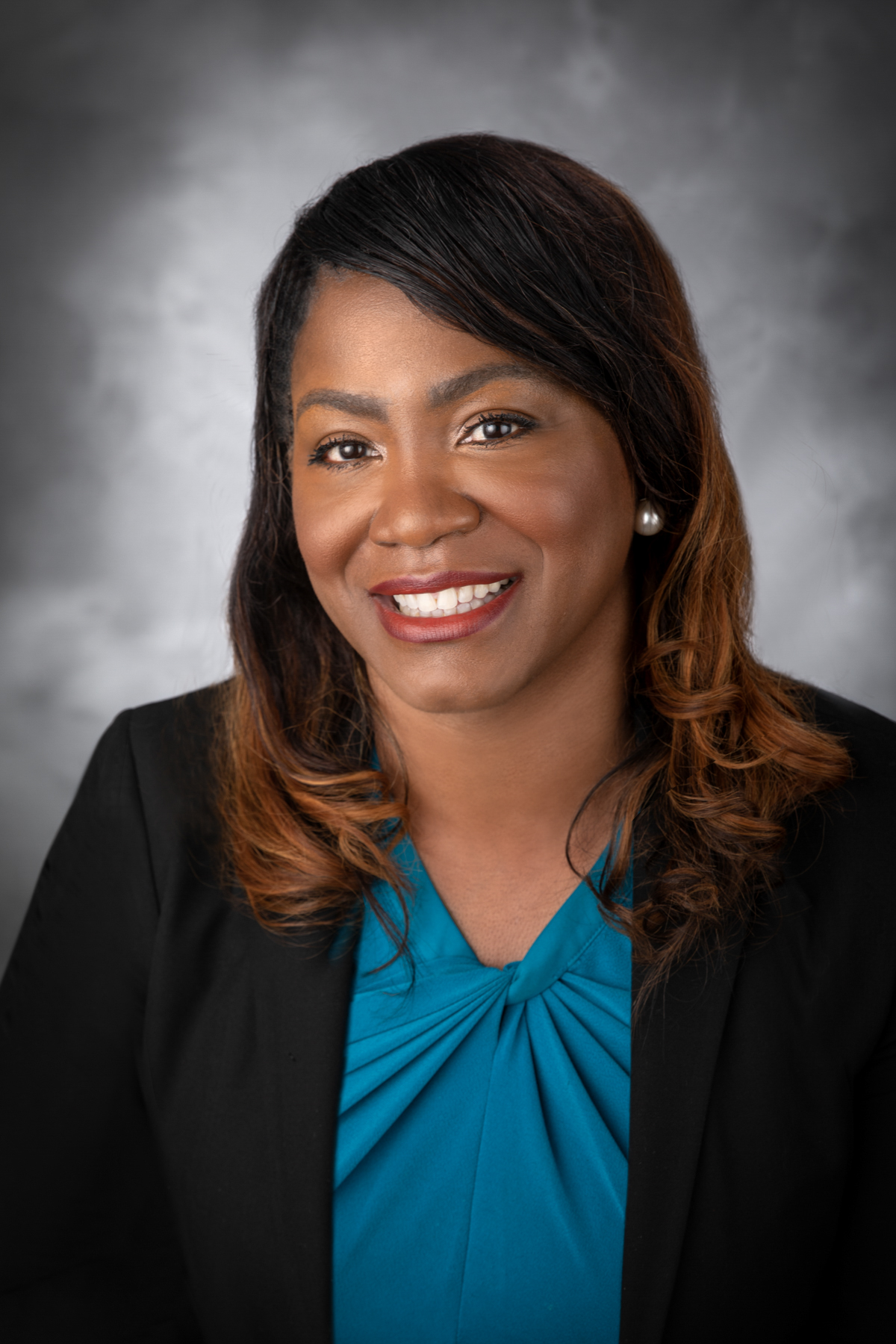
Joining me today is Carrie Hauser, Cancer education and outreach Nurse supervisor with Riverside Cancer Care Network. Carrie, welcome to Healthy U.
[00:01:30] Speaker B: Thank you so much for having me today.
[00:01:32] Speaker A: To start us off, can you tell us a little bit about your role at Riverside and why education and screenings are so important and the work that you do?
[00:01:44] Speaker B: Well, thank you for having me. It's wonderful to be here and to talk about cancer prevention and awareness and so much of what I do is really getting out in the community and talking to people about cancer prevention, awareness, screenings and things like that. A lot of it's about education and I truly believe that information is power and we can be empowered with the more information we have and knowing about what our options are to help take care of our health. So that's just a huge part of what I do and also another big part of what I do in outreach at the cancer center is helping connect people with care. So those who may not have access or don't have a primary care provider and trying to to find a path to get them connected with care so they can take care of their health and catch things early rather than later in the game.
[00:02:36] Speaker A: Yeah, that is so important as it relates to education. That's really how Healthy youy Evolved and came about is how do we think of creative ways to reach people and extend that knowledge. So thank you for what you do each and every day.
When we talk about screenings, the goal really is prevention and early detection.
Why is that so important when it comes to cancer especially and other Diseases.
[00:03:05] Speaker B: Well, it's important because so many things that are happening in our body, we don't even realize they're happening.
And if we can catch something early on, our outcomes can be better. There's more treatment options and really can improve outcomes down the road. So it's important. Even though seems like it's a long term thing to look towards if you're feeling okay and all of that, it is really important to take care of things early on and knowing how to screen and what to screen for even if you're feeling great. So just having that information and putting it to use early on rather than later in the game when options may not be as plentiful.
[00:03:49] Speaker A: Right. And how aggressive a treatment may need to be is important as well as it relates to how early you catch it. Just based on, you know, family members and friends that I've had, that have had diagnosis of cancer.
[00:04:03] Speaker B: Absolutely. Early detection really is the goal. And the earlier we can catch something, the more treatment options there are and hopefully possibility for just a cure. And living, living a long and healthy
[00:04:15] Speaker A: life afterwards and talking about it helps so much.
You know, when it comes to health care, sometimes we, we keep those things to ourself. We, we don't do a lot of sharing. And I'm so glad that that's changing. And with social media and platforms like this and the work that you're doing in the community, we're changing that narrative.
[00:04:34] Speaker B: I couldn't agree more. And I think, yeah, we're just, we're, we're talking about it and some of these things are hard to talk about. Talking about colon and our bowel habits and you know, not all that sexy.
[00:04:46] Speaker A: Right, right.
[00:04:46] Speaker B: All that stuff. But I think the more we normalize those conversations, ask those questions, because people have the questions, they just, we just don't want them to be scared to ask. And so just trying to make it approachable and, and you know, not to have a stigma behind it is really important.
[00:05:00] Speaker A: Right. And you're going to talk more about this. But having a relationship with your primary care or your ob, your gyn, you know, having that relationship is so important as well to, to help you navigate some of those symptoms as they come up and link you to the appropriate services.
[00:05:16] Speaker B: Yes, absolutely.
[00:05:18] Speaker A: All right. Even with that knowledge, many people put off getting screened.
What do you hear from people who are nervous or hesitant about screening?
[00:05:27] Speaker B: Yeah, well, I hear a lot of things.
I think, you know, you know, everybody's busy. So first of all, you know, I feel okay, like I'm busy, you know, that's, that's in the future. I'm, you know, I'm okay.
So I think there's that. I think some of it is. Is fear and avoidance and maybe just not wanting to know if there's a problem. Cause they feel okay. So they're like, I'm probably okay.
And so I have a lot of conversations with patients about that because I feel like I always say avoiding it doesn't mean it's not happening. And it's not just gonna go away that way.
And so early detection and just kind of facing it head on and knowing what's going on and what we can do about it, I think is empowering for people. And so I try talk that way. Specifically, I'll, you know, as an example, like a woman who gets called back from having a mammogram, she needs to have another diagnostic test and she's nervous about it. And I will say I understand because I've been there too.
But I think that if we're seeing that, it doesn't mean it's this, you know, doomsday type situation. But we want to get more information so we know what to do about it. And that's really important.
[00:06:38] Speaker A: And something that I hear having young adult children is, I'm young, so I'm healthy.
[00:06:45] Speaker B: Right.
[00:06:45] Speaker A: And that may not, unfortunately, always be the case.
[00:06:48] Speaker B: Right, right. And hopefully they are young and healthy. And let's, let's do the things we can do to ensure that that's the case. And if something is. Something's happening, let's. Let's take it on, you know, early and do what we can to take care of it. Because we've made so many advancements in medicine and especially in cancer care.
And so it is really important to just to know what's going on.
[00:07:10] Speaker A: That's great stuff. Great information.
Putting aside the nerves or fear we just discussed, there are still so many misconceptions when it comes to cancer and screenings.
And those myths can sometimes keep people from taking action. Like I just mentioned age.
Let's walk through a few of the most common ones that you hear.
[00:07:33] Speaker B: Okay.
You know, we have guidelines. We have national guidelines. So there's, you'll see them out there, like at this age do this, you know, all of this. And so those are meant for the general population.
And I always encourage everyone to follow those guidelines. But also, we're also individuals and we all have our own, you know, history, symptoms, things like that. So it's a combination of, all right, we have these national guidelines. Let's you know that you can start earlier. So, like, cervical cancer screening starts early, you know, for women. And so looking at that, there are traditional screenings that we can do at an early age, but also paying attention to our body and knowing, okay, something's not right, let's get it checked out. Just because I'm not 45 yet doesn't mean something couldn't be happening. So I think understanding, like, and we're seeing cancer, you know, some cancers rise in earlier in younger populations, and so that's why it's even more important to pay attention to our bodies.
[00:08:31] Speaker A: And some of the screenings haven't evolved and are less invasive.
So if you have that rapport, I think education like this helps as well. But having that relationship, seeing your primary care, they keep you on track with those timelines. I know that. It's been helpful for me.
[00:08:49] Speaker B: Right.
[00:08:50] Speaker A: Staying on track.
[00:08:51] Speaker B: Absolutely. And I think there is a lot of. To your point, fear about, oh, is this going to hurt? Is this going to be uncomfortable? And let's face it, there's some things, when we go, we go, have things done, aren't the most comfortable, but it's a temporary thing, especially mammograms. I talk to a lot of women who are like, nope, I don't want to do that. But mammograms have come a long way.
And so I find that having conversations with those patients and understand what are their fears, what's holding them back, and just having a conversation, listening to what those concerns are, trying to alleviate those and offer support, can go a long way and hopefully can save a life. If we can detect someone early by getting them screened, that's good stuff.
[00:09:34] Speaker A: Good stuff. All right, myth number two.
No one in my family has ever had cancer, so I'm not at risk.
[00:09:44] Speaker B: Yes.
This is a big one.
The way I present family history is. I like to say family history is part of the story. It's not the whole story. I know you've had guests oncologists on before that have talked about only about 5 to 10% of cancers are considered hereditary, and that is according to the National Cancer Institute.
So family history plays a part, and we don't want to ignore it. We definitely want that information, and we want to be able to consider it as we're evaluating risk. But it's not the only thing.
And so I always. And there's some people that don't know anything about their family history. They were adopted. No one talked about, oh, how did grandma. You know, how did grandma die? So we might not even know all that information, but that doesn't mean that you know that it's not relevant, but it also is part of the story. And so I encourage people to talk to their families about cancer history and write it down. So if they're at a family reunion, family event, the holidays are a good time to. Not that we want to always talk about health, but everyone ends up talking about it. Good point.
[00:10:49] Speaker A: We talk about everything else. You might want to weave that in.
[00:10:51] Speaker B: Right. And so just to have that awareness. And I always encourage patients who have told me about a family history.
I want you to share that with your provider or when you get screened, share that information, because it is an important piece of the puzzle, but it's not the whole puzzle. So just because you don't have a family history doesn't mean that you're not at risk at all. There's other things that can contribute, but it is a piece of the puzzle that we do want to know about. If you know about it.
[00:11:17] Speaker A: All right, good stuff. Good stuff. And last but not least, myth number three, cancer screenings are only for older adults.
[00:11:27] Speaker B: Yeah, I know we've talked about this a little bit. And when you do look at the national guidelines, we do tend to see 40s, 50s, all of this.
[00:11:35] Speaker A: That's not really old.
[00:11:37] Speaker B: It's not old at all. But maybe to my teenager it is.
But yeah, and so I think it is.
And that's, again, a conversation. So, yes, again, those are national guidelines based on. All right, the general population. Who do we want to be so screening. But that's not to say that someone with symptoms or who has, you know, other significant, you know, contributing factors might need to be screened earlier. And that's why, as we've been talking throughout, it is really important to have a relationship with your primary care provider, someone who's following your care, to know, hey, you know what? I think you should be screened a little bit earlier, because I'm seeing X, Y and Z, you know, whatever it is. And so, yes, those. Those general screening guidelines are for the, quote, unquote, slightly older population. But it doesn't mean that there aren't screening options or there aren't things that we should be doing earlier on, because everything we do throughout our life is kind of building. Right. So we can start preventing at an early age. And I have gone to middle school science expos and things like that, and I'm talking to people all the time about what they can do to prevent cancer down the road, because there's a lot that can start really early On. So the prevention mindset, even if. If you're not formally being screened for a cancer, there's things you can do to help prevent it down the road.
[00:12:58] Speaker A: Okay, good stuff. Good stuff.
Getting screened and advocating for yourself early is a proactive step. Right. That can help protect your health for years to come.
Another important part of prevention is understanding your personal risk factors, including your family history.
Why does knowing your family history, and you already mentioned a little bit about this matter when it comes to screening and prevention.
[00:13:24] Speaker B: So it is important particularly to know what kind of cancer somebody had and also what age the onset was.
And so that's another. If you're talking to your family already about all this, knowing, like, what age did this come about? Because when you have a family member who developed certain cancers at an earlier age, that can be important information for you. So, for instance, I'll give breast cancer as an example. If a woman, you know, was diagnosed in her 40s and she has a daughter, the general recommendation we have. And again, this is, you know, individuals should speak with their providers about it, but generally we would want to start screening their daughter about 10 years before whatever the age of onset of the mom was. So, for instance, if the mom was 45 when she was diagnosed with breast cancer, her daughter might want to start screening, which should start screening around 35, so a little bit earlier than the national guidelines. So that kind of information is really helpful.
And also, there may be other recommendations for frequency of screening, depending on what family history is, too. So, again, family history is just part of it. But if we do have that information and we know a little bit about it, it's helpful, and it can kind of guide your individual screening, you know, screening path as well.
[00:14:49] Speaker A: And this is really actionable information, right?
[00:14:55] Speaker B: Absolutely.
[00:14:55] Speaker A: I love it. I love it. But family history isn't the only factor that impacts cancer.
[00:15:01] Speaker B: Right.
[00:15:03] Speaker A: Which is why prevention. Right. And screening matter so much.
Yes. Okay. Another important part of prevention is knowing what's normal for your body.
What are some of the most common symptoms that people tend to brush off or kind of explain away.
Just want you to talk a little bit more about that and why those symptoms don't always mean cancer. So you have to pay attention and get checked out, right?
[00:15:32] Speaker B: Yes, absolutely. And I think that's probably one of the biggest things that I will say to people when I'm talking to them in the community and individually is know your body.
And I tell young kids this, too. I do. And they look at me like I'm a little crazy, but I'm like, know what's normal for your body.
If you notice a change, go get it checked out. And there's no, like, silly, silly reason for doing that. It's better to know and to be reassured because the anxiety that comes with the what ifs and, you know, going on the Internet and searching everything, you know, go, go get something checked out. If you're not sure and if there are subtle changes, get them checked. There's no harm in that. And it's information for you. And it can also help you know what to look for in the future as well. So that. That is really important. And, you know, something that's happening in my body could be different from what's happening in your body. And it might be normal for me, but not for you, you know, and so it is really important to just get all the facts and see what needs to happen. And it doesn't always mean, as you said, it doesn't mean that it's cancer, just means, hey, you know, maybe I should be doing a little something different, or maybe I just. I need to be aware as I move forward.
[00:16:44] Speaker A: Good point, good point. I think a lot of people delay seeking care because symptoms seem small or temporary.
[00:16:53] Speaker B: And I think that's a great point. And I think in this busy world and life that we live, we're like, oh, that'll go away, or, you know, we don't want to talk about that, or, you know, I'm busy doing this, or I don't have time to do that.
And I think that keeping track of those symptoms and that's where the relationship with your primary care provider or somebody who is following your care and has been following that, can look at trends and look at. Well, you've been complaining about that actually for the last three years. Maybe we should look into that. Or, no, I think everything's okay. And so I think having a conversation and not just keeping it all to yourself is really important, but making sure you're seeing an expert who can give you that professional medical advice is really important. So paying attention to those symptoms. I also will tell people, if they're not sure about their symptoms, to just keep track of them in a journal or a log and then when you go see your provider, because I forget everything the minute it happened. So I'm like, I think this happened. And that way you can put a date on it, you can write about it. What was I doing at the time? And I know, I think providers appreciate that because they're really. They can look at a trend.
I think people get Nervous when they go to their dog, or they're like, I forget everything and I forgot. Oh, I meant to mention this. Right, Exactly. And so just keeping track of it. If it's something you're not sure about, start writing about it. And then you're like, wait a minute. These last, you know, this last month, this has happened a lot. I should get this checked out.
[00:18:21] Speaker A: That's such an important reminder. If something doesn't go away, don't explain it away. I love that. I really like that.
[00:18:29] Speaker B: Absolutely. Absolutely.
[00:18:31] Speaker A: Another thing, doing your screenings is important, but I've had friends or family members say, I kept up with my screening, so they ignored things that happened in between.
Right. So don't think that screening alone, those things that you're doing to check yourself if something doesn't feel right, escalated at that time. Don't wait for your next screening just because you're on track with your screening.
[00:18:53] Speaker B: Absolutely. And, you know, the screenings are just that there's something to, you know, we want to keep up with them. And they have certain increments for a reason. But that's not to say. I mean, I've. I've seen, you know, there's patients who are monitoring, you know, for instance, their, you know, breast. They've had a mammogram and it was fine. And then six months later, they're like, I think I feel something. And they've gone to get it checked out. And that is so important. And I'm always encouraging them, like, I'm so glad you checked yourself and followed up and with colonoscopies, you know, if you got a clear colonoscopy, and they said, we don't need to see you for 10 years, but something. A lot can happen in 10 years.
And so that's not to say you need to. You might need to have another colonoscopy, but if something changes, get it checked out. It's always. It's these screening guidelines are there for a reason, but it's not. It's not the end all. Like, you still need to feel empowered to take care of your own health and get checked out.
[00:19:44] Speaker A: According to the American cancer society, about 40% of cancer cases are linked to modifiable risk factors, meaning everyday habits can reduce your risk of developing cancer. What are some lifestyle choices that can help lower cancer risk?
[00:20:02] Speaker B: Yeah. So these are the things. When I talk about cancer, there's the things we can't control, and they're the things we can. These are the things we can control.
And this. I will do a disclaimer Is not meant to shame anyone or say you're doing it wrong or whatever. We all struggle. I struggle every day with all this stuff.
But, you know, of course, we always hear about, you know, eating healthy and diet and exercise. Diet and exercise, right. But, you know, the fruits, the vegetables, you know, watching our processed foods and the quality of the food that we're eating, you know, I think is important for overall health. Not, you know, not even just cancer prevention. But I will tell you, if I could put a plea in for the one big thing is smoking cessation. Stop smoking if you're smoking. And I know it's hard. I have taken care of so many patients who are smokers, and they've talked to me about how hard it is to quit. It's an addiction.
That's what it is. But it contributes to so many issues for health, not just cancer, but cardiovascular health, and you name it. And so as much, and we have support for that. We have a quitline in Virginia that you can be referred to, you can refer yourself to. There's a lot of resources.
And so. And I know it's a journey. Smoking cessation can be a journey. You quit, you start again. But it is a. If that. I would definitely say that's one of my top priorities there.
[00:21:22] Speaker A: What about people who say, well, only do it once a week or once
[00:21:25] Speaker B: every two weeks, I guess in a while. I mean, that's better than every day. However. However, the goal really is cessation. So, you know, and yes, we have people who smoke once in a while or it's like a, you know, or
[00:21:36] Speaker A: even contact smoke, right?
[00:21:38] Speaker B: Yep. Yeah. Secondhand smoke. Yeah. And now, you know, in this age of vaping, we're still. We still are learning the effects of vaping. It's not a safe alternative. It's just different. And we still are learning the data on what is the impact of vaping. So vaping, tobacco smoking, all of that, limiting alcohol use, alcohol can contribute to some cancer risk as well as other health issues. So just keeping everything kind of under control and in moderation is really important. And I know we hear that a lot, but it really does make a difference. And as I said before, it's kind of this cumulative effect. So just trying to make, you know, at least like, you know, some. Some good choices along the way. It's never going to be perfect, and we're all going to have times in our lives where we slip up. But just if you look at that average and that. That average of what we're doing, trying to make some good decisions.
[00:22:30] Speaker A: Okay, great, great information.
And for people feeling overwhelmed by all the health advice out there, where's a realistic place for them to start?
[00:22:40] Speaker B: So I think, you know, it is overwhelming, and, you know, we're all hearing what we should. All the shoulds, should do this, should do this, don't do this. But, you know, I think just. Just take care of yourself. You know, take some time for you. Go for a walk, you know, make sure you're getting enough sleep. You know, trying to have, you know, one good, healthy meal a day to nourish your body. I just always try to think of, how can we nourish our body, our souls, our minds, all of that in this busy world. Stress is a real thing, and it affects everything. And so I think just trying to do one thing and not trying to take everything on all at once, because I get overwhelmed by that, too. And then we just throw it all out. But we don't want to throw it all out. Just make one little change and, you know, grab a friend and do it together.
[00:23:24] Speaker A: I love that. I love that. That's great advice. We know that even when people understand the importance of screening, practical barriers can still get in the way. What are some of the most common concerns you hear?
[00:23:38] Speaker B: Yeah, I think with screening, you know, people put it off because, like we've talked, they feel, okay, right?
Some people, cost is a barrier. And so we do have resources to help connect people with care to if, you know, if they don't have insurance or they're worried about the cost.
So if somebody wants to get screened, I know I'm personally going to work really hard to figure out a way to make that happen.
And so, you know, I think the fear factor as well as we've talked about, but I find, I think information is power.
I think that knowing why we do screening, what it is, what to look for, and having a team behind you that's gonna help you, no matter what that result of that screening is, helps. It takes a village to, you know, and we. We get screened, but then it's, what do we do with that information?
And that's what we're here to do, and that's what we're here to help. But I always say the most, you know, we can have all these programs and all these resources, but it's only as good as the people who take advantage of them and do them and know about them. So I want to spread the word that there is screening, you know, cancer screening. We want people to do it, and we're here to support you if you need it.
[00:24:48] Speaker A: And it's okay to put yourself first because you can't be there for others if you don't take care of yourself.
[00:24:53] Speaker B: Absolutely, Absolutely.
[00:24:54] Speaker A: Sometimes hearing real stories can also change perspectives. Can you share an example of how early detection truly made a difference for someone?
[00:25:04] Speaker B: Yeah. So as I mentioned, well, a big part of what I do in my job is helping support. We have a grant to support women who are uninsured and are in a lower income bracket to get breast and cervical cancer screenings. And so we enroll women all the time to become a part of that program. And I, you know, I've had women who may not have been screened otherwise, who are getting regular screenings and getting, you know, we'll have to, they will get a screening mammogram. They might get called back if something gets seen. And then we have an avenue to help, to help care for them and get them that follow up that they need. And so I have had a patient recently that was, they, they found something that was kind of a higher risk lesion and was able to, to have a biopsy of it. And we're able to catch cancer very, very early on.
And so, you know, with the hope for very good outcomes. Which is, which is, you know, if the cancer's there, the cancer's there. But if we can detect it early and do something about it early on, that's the best outcome we can have.
[00:26:15] Speaker A: And it sounds like, but for this program, this person may not have been screened at all.
[00:26:20] Speaker B: Exactly. And there's a lot of barriers out there and our goal is to overcome as much as we can for these patients.
It's hard because there's a lot of challenges and screening is not a top priority for everybody, especially when you have competing demands and are trying to make ends meet, meet. So as much as we can do to get screening to people who may not otherwise have access, we're here to do that.
[00:26:42] Speaker A: Well, thank you for what you're doing.
[00:26:44] Speaker B: Thank you.
[00:26:45] Speaker A: That's great. As we wrap up today's conversation, I want to leave listeners with a few simple next steps.
First, learn your family health history.
Second, at your next primary care visit, check when to begin or, or if you are up to date on recommended screenings.
And third, make time to get screened. And if you ever notice changes, reach out to get rechecked. Early detection means so much.
And lastly, prevention starts with taking the first step. Small, intentional, healthy habits make a difference. That's a mouthful. Carrie, thank you so much for joining me today.
You're welcome. To come back anytime.
The conversation was truly empowering. You are truly making a difference and I appreciate everything that you're doing so much.
[00:27:41] Speaker B: Well, thank you so much for the opportunity. It's wonderful to speak with you.
[00:27:44] Speaker A: You're welcome. Come back anytime. To our listeners, cancer screening and prevention is about protecting your future.
Be someone who does not wait. Be someone who knows their health and take takes action early.
If you found this episode helpful, share it with someone you care about, because one conversation could encourage someone to schedule the screening they've been putting off. And as always, taking care of your health is an important part of a healthier you. Until next time, stay healthy.
Thank you for listening to this episode of Healthy you. We're so glad you were able to to join us today and learn more about this topic. If you would like to explore more, go to riversideonline.com.