Episode Transcript
[00:00:00] Speaker A: From Riverside Health System. This is the Healthy youy podcast where we talk about a range of health related topics focused on improving your physical and mental health. We chat with our providers, team members, patients and caregivers to learn more about how to maintain a healthy lifestyle and improve overall physical and mental health. So let's dive in to learn more about becoming a healthier you.
If you think colorectal cancer is something that only affects older adults, this episode may surprise you. In January 2026, the American Cancer Society reported that colorectal cancer has now become the leading cause of cancer death in People under 50 in the United States.
Let that sink in for a moment.
This is no longer just a conversation about aging. It is impacting younger generations more and more.
Today, we're talking about what truly impacts colorectal cancer risk, what you can control, and why screening saves lives.
I'm Franky Myers and this is Healthy U, where we break down everyday health topics and introduce you to the experts helping keep our communities well.
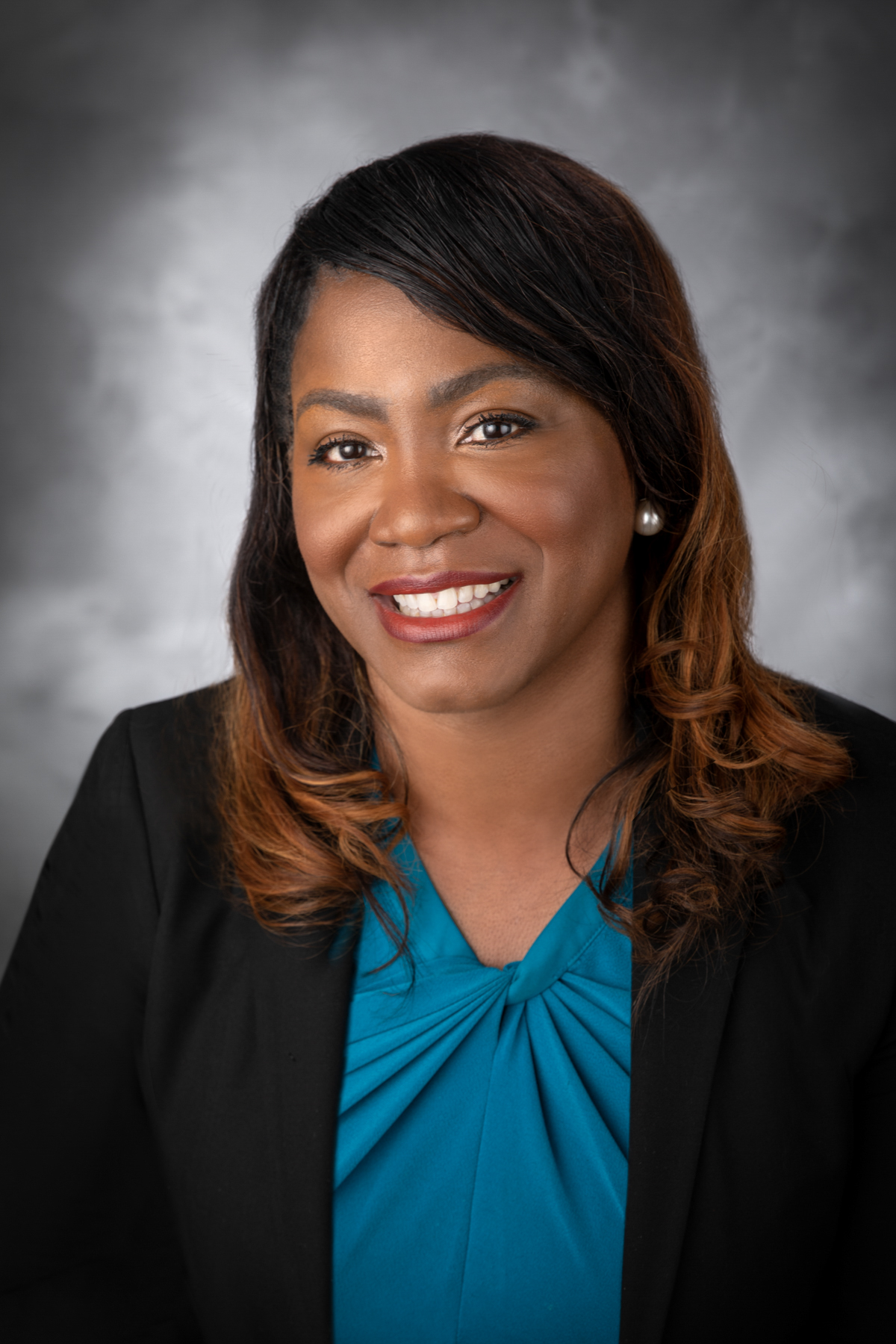
Joining me today is Laura Browder, an Oncology certified Registered Nurse Nurse navigator supporting patients with GI cancers at the Riverside Cancer Care Network.
Laura, welcome to Healthy U. Hi.
[00:01:31] Speaker B: Thank you for having me.
[00:01:32] Speaker A: Walk me through what an Oncology Certified Registered Nurse navigator does and how colorectal cancer shows up in your everyday work.
[00:01:44] Speaker B: So my role as a navigator, I focus on GI cancers.
So what happens with my role is when patients are first diagnosed, I introduce myself, whether it's in person at a doctor's visit or call them over the phone, kind of just let them know who I am, let them know I'm another support person for them if they need anything, make sure that they have referrals and appointments done in a timely manner so we don't have any delays in any treatments.
And then just there to make sure if they have questions about plan of care or diagnosis, that they know they have somebody else that they can call, text, whatever, just to be on their side, just to keep them comfortable.
[00:02:26] Speaker A: Yeah.
[00:02:27] Speaker B: Thank you.
[00:02:27] Speaker A: Thank you for doing that. I'm sure during those times having somebody kind of walk you through things, walk alongside you can be very reassuring and comforting.
I would like to talk directly to the person listening right now who is 45 years or older, busy feeling fine and taking care of everyone else.
You don't have any symptoms, maybe no family history, and you're probably thinking, I feel fine. Screening can wait.
Laura, after hearing that data from the American Cancer Society, why should that person lean in right now? And this is so ironic because I've been having this Conversation with my adult son. He's like, I'm young. Why should I have a physical every year? I don't need a physical. I'm fine.
[00:03:20] Speaker B: Yeah.
So after hearing that data, I think the most important thing is early detection.
Early detection can save your life, especially with colon cancer.
Anybody with a colon rectum is at risk.
Even if you don't have a family history of it, it's important to get the screenings when you're due for the screenings.
Most people diagnosed, like I said, don't have a family history. And a lot of people, when they're diagnosed, they feel healthy, they feel fine.
So feeling fine doesn't mean that you're not at risk.
[00:03:55] Speaker A: Wow, that's scary.
[00:03:57] Speaker B: Yeah.
[00:03:58] Speaker A: That's important because so many people think no symptoms, no means no problems. And those feelings combined with fear or inconvenience can push screening to the bottom of the list. You just prioritize everything else going on in your life sometimes but yourself.
But that's exactly why it matters. So let me ask you, why is screening such a powerful tool for prevention?
[00:04:24] Speaker B: So colonoscopies is one of the screening tools.
It's usually one of the gold standard is what they call it, because with a colonoscopy, it's used to detect and it can also remove precancerous polyps if they find them during the colonoscopy.
So that is considered a screening and a prevention tool.
They also have stool based testing that can be used for average risk individuals.
Screening guidelines recommend now that age 45, if you're at average risk. And screening should start earlier if you have a family history or symptoms.
So the family history would be if you have a first degree relative, which is your mother, your father, your brother, sister, somebody like that, it should start 10 years before the age that they were diagnosed or the age of 40, whichever comes sooner.
[00:05:21] Speaker A: That's good. That's good, good information.
So for someone listening who keeps putting it off, maybe because they're nervous, busy, or just don't want to deal with it, what would you say to them?
[00:05:36] Speaker B: So I would say it's important to get screened.
Screening early detection is key to colorectal cancer because it can save your life. Detecting colon cancer early is so important.
[00:05:51] Speaker A: Absolutely.
Colorectal cancer is rising at an alarming rate in younger adults. It is no longer rare to see colorectal cancer being diagnosed in adults in their 20s and 30s. Wow. Well before the recommended age to be screened.
[00:06:09] Speaker B: Yes.
[00:06:10] Speaker A: For people hearing that and wondering how they are supposed to monitor their health before screening even begins.
What kinds of changes or symptoms should they be paying attention to? And that's a powerful statement right there and disconcerting.
[00:06:28] Speaker B: Yes. So changes that you should look for, changes in your stool. So diarrhea, constipation, even thinner stools.
Any blood? A lot of people think blood is just hemorrhoids, but it's important to, to get that checked because it might not be a hemorrhoid.
Ongoing fatigue from anemia, abdominal pain, cramping, and then any unexplained weight loss. It's important to see your provider and advocate for yourself.
[00:07:01] Speaker A: Now, let's talk about food, because this is something we interact with every single day. I'm a foodie. I love this.
How does what we eat. How does what we eat actually influence colorectal cancer risk?
[00:07:14] Speaker B: So diets high in red meat, processed meat, they're all linked to an increased risk for colorectal cancer.
Low fiber intake affects gut health and digestion.
Fiber is important because it helps remove waste from your colon and supports the good bacteria that your gut has.
Obesity contributes to chronic inflammation, which increases the risk of cancer.
And just small changes, changes in your diet over time matter more than just one meal.
[00:07:50] Speaker A: Okay, okay, let's talk about.
What we consume is not just food. Right.
It's what we drink too. So what should people understand about alcohol and sugary drinks?
[00:08:08] Speaker B: Drinking alcohol is a major risk factor for colorectal cancer.
Moderate heavy drinkers face about 1.2 to 1.5 times higher risk compared to non drinkers.
The risk increases with the amount consumed.
Consuming too much sugar, especially in sugar sweetened beverages, is also linked to increased risk of colorectal cancer.
So in women especially, consuming two or more sugary drinks daily more than doubles the risk of early onset colorectal cancer.
[00:08:44] Speaker A: Doubles. Oh, my goodness.
[00:08:45] Speaker B: With that said, it isn't about eliminating everything, it's just limiting your intake.
[00:08:51] Speaker A: Moderation.
[00:08:51] Speaker B: Moderation is key.
[00:08:53] Speaker A: Yes, absolutely.
That's powerful because those are everyday habits people may not associate with colon health.
If someone is thinking, I only drink socially or just a few times a week, how should they think about that in terms of risk?
[00:09:12] Speaker B: So I think just small reductions in alcohol and sugary beverages can help.
You don't have to eliminate it completely, but just knowing to limit it, avoiding alcohol can reduce your risk of developing cancer.
But if you are going to drink, men should have no more than two drinks a day, and a woman should have no more than one drink a day.
And one drink is equal to, let's say, 12 ounces of beer or 5 ounces of wine or 1.5 ounces of hard liquor.
[00:09:44] Speaker A: Hard liquor. Okay.
Now if you could paint the picture for us. What does a colon healthy plate actually look like?
[00:09:53] Speaker B: So I would say fruits and vegetables, whole grains, you want lean proteins.
Try to stay away from processed meats, bacon, deli meats, things like that.
And then.
[00:10:06] Speaker A: And all those frozen things, right?
[00:10:08] Speaker B: Yes, definitely.
[00:10:09] Speaker A: Anything that's stored over time has to have preserved preservatives to be preserved.
[00:10:16] Speaker B: Yes. Remove that, increase fiber and just hydrate well.
[00:10:20] Speaker A: Okay. Good stuff.
Is it ever too late to make dietary changes?
[00:10:26] Speaker B: It's never too late to make changes. Even if you are diagnosed, still changing. Helping your nutrition will help you through the treatments as well.
[00:10:35] Speaker A: Yes.
[00:10:36] Speaker B: Never too early to make little changes.
[00:10:38] Speaker A: Absolutely. I have to say to myself, sometimes even though you failed the day before, it's your intention the next day to do better.
[00:10:45] Speaker B: Exactly.
[00:10:46] Speaker A: Just keep having that, then you'll get there.
[00:10:49] Speaker B: Exactly.
[00:10:50] Speaker A: So when we think about prevention, it's not just one food, it's the overall pattern of how we nourish and fuel our bodies.
[00:10:59] Speaker B: Yes.
[00:10:59] Speaker A: Are there lifestyle changes beyond diet that reduce risk?
[00:11:04] Speaker B: So just maintaining physical activity, limit tobacco use, limit alcohol use, and then just taking care of other pre existing conditions like diabetes. Just making sure you're taking care of yourself.
[00:11:18] Speaker A: Okay.
[00:11:19] Speaker B: The whole holistic, whole picture.
[00:11:21] Speaker A: Whole picture, yep. Without sharing any identifying details, tell us about a patient experience that really stayed with you and resonated with you.
[00:11:32] Speaker B: So I think getting the news that you have cancer at any age is hard. It's devastating. But especially the patients who I get who are.
It's not just one specific. It's any of them who are under 40 or in their 40s who just have put off going to their doctor or getting screened because they just have so much going on with jobs, kids, lifestyle. They just say, I just had to put it off. I just didn't have time. And then when they finally do get it done, it's at a later stage. And then they have to go through the surgeries, the chemo and things like that. So just paying attention to your body.
[00:12:10] Speaker A: Okay. What's the difference you see between cancers caught early versus late?
[00:12:17] Speaker B: So most cancers that are caught early can be removed with surgery.
Riverside offers advanced GI, which can use.
It's called EMR or endoscopic mucosal resection.
So that goes in and can kind of cut away.
So a little deeper than, you know, just the colonoscopy, a little more minimal.
[00:12:39] Speaker A: Right. You don't have to be as aggressive.
[00:12:41] Speaker B: Right? Absolutely.
And then with the later stages, you know, they require chemotherapy, sometimes radiation, and just some other complex care.
Survival rates are significantly increased with early detection.
[00:12:57] Speaker A: Right, right.
If someone only remembers one thing from this episode, what is the biggest message you want to hear?
You want them to hear. You want to hear it, too, but you definitely want them.
[00:13:09] Speaker B: Yes, definitely.
[00:13:10] Speaker A: Because you're going to speak it, you're
[00:13:12] Speaker B: going to hear it. So I will say I've said it a lot, but early detection is key.
Your daily habits matter. You need to advocate for yourself. Don't dismiss changes that you notice in your body and then reach out to your healthcare provider, no matter what age you are, if you notice changes in your body.
[00:13:30] Speaker A: And I think we're of the era. You know, I have relationships with my doctors. I have a primary care, and then I have specialists that I see as I talk to my own adult young son. You know, going to different places and not having that rapport and relationship, sometimes things get missed.
So I think it's. To your point, it's important to have a relationship with the doctor, whether it's a primary care, whoever you're seeing, and be consistent about checking on your overall health.
[00:13:58] Speaker B: Absolutely.
[00:13:59] Speaker A: I don't know if you want to say anything about that, but I just think that's so important.
[00:14:02] Speaker B: Yes. So important. Just noticing changes in your body. Advocating for yourself. I think advocating for yourself is a huge key in.
[00:14:11] Speaker A: Absolutely.
Well said.
All right. We've talked about people putting off screening, and sometimes that hesitation is rooted in assumptions.
What's one of the biggest myths you hear about colorectal cancer?
[00:14:25] Speaker B: I would say that they don't have family history, so they don't think they're at risk.
[00:14:29] Speaker A: That's a good one.
[00:14:30] Speaker B: Yes.
Most cases occur in people who don't have any family history, so.
[00:14:36] Speaker A: Wow.
Okay.
Laura, thank you for helping us understand how lifestyle habits, paying attention to your bodies, and getting screenings can truly save lives.
[00:14:48] Speaker B: Yes.
[00:14:48] Speaker A: Definitely made a difference. And I appreciate you taking time out of your busy schedule to come talk with us. And you're welcome to come back anytime. Thank you to our listeners. If today's conversation made you pause and think about your own habits or your own screening schedule, that's a good thing. Prevention starts with awareness and action. If you found this episode helpful, share it with someone you love. It can make a difference in their lives. And as always, small steps forward toward prevention today can protect your health tomorrow. Until next time, stay healthy.
Thank you for listening to this episode of Healthy You. We're so glad you were able to join us today and learn more about this topic. If you would like to explore more, go to riversideonline. Com.