Episode Transcript
[00:00:00] Speaker A: From Riverside Health System. This is the Healthy youy podcast where we talk about a range of health related topics focused on improving your physical and mental health. We chat with our providers, team members, patients and caregivers to learn more about how to maintain a healthy lifestyle and improve overall physical and mental health. So let's dive in to learn more about becoming a healthier you.
If you've ever looked in the mirror and thought, I don't recognize myself anymore or wondered why your sleep, mood, weight or patience suddenly feels off, this episode is about you.
Most women are taught to expect menopause.
What no one really explains is the years leading up to it when your body starts changing quietly and you're left wondering if it's stress, aging, or something else entirely.
Today we're decoding perimenopause. What's normal, what's not, and what you can actually do about it.
I'm Frankie Myers and this is Healthy youy, where we break down everyday health topics and introduce you to the experts helping keep our communities well.
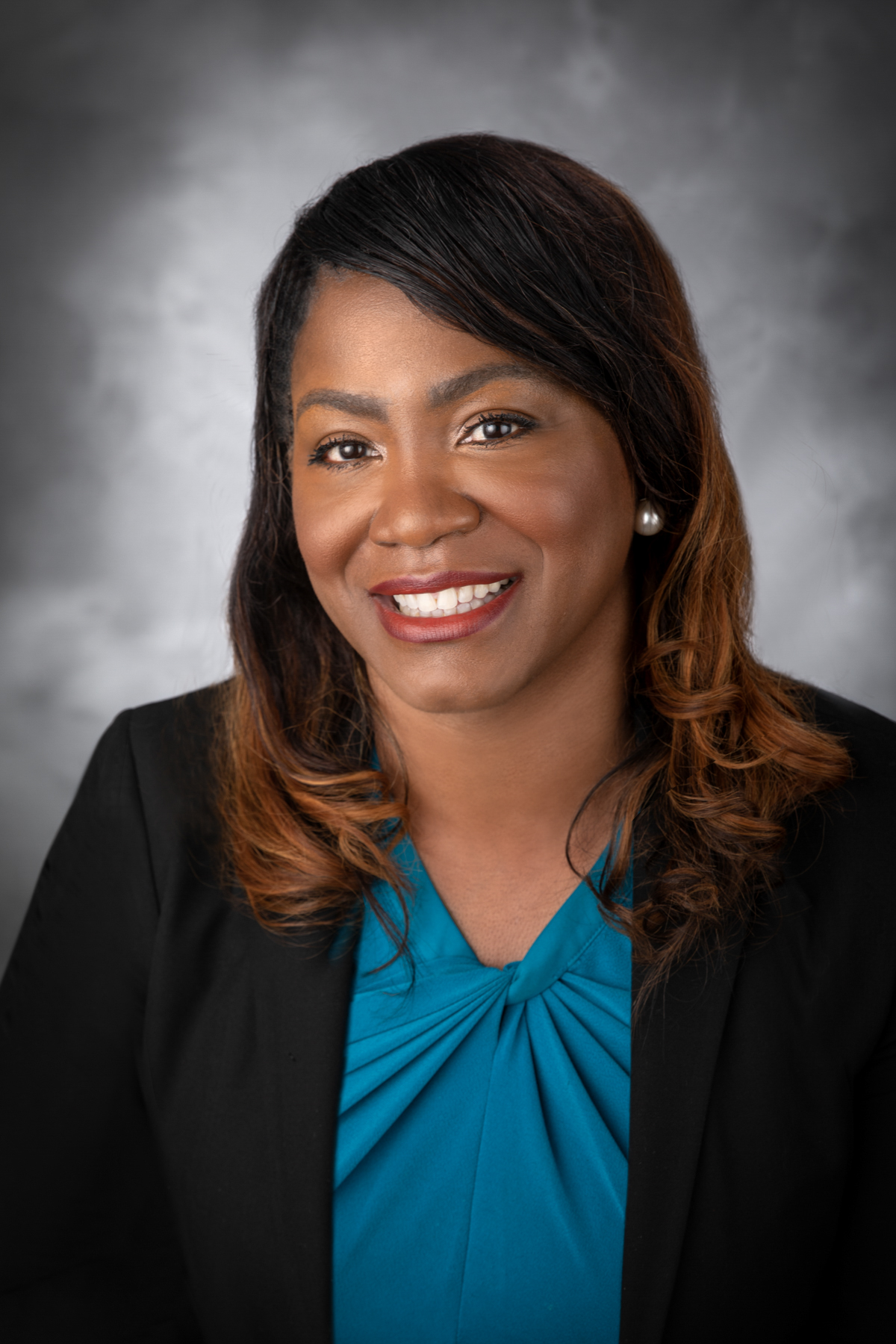
Joining me today is Dr. Elizabeth Lunsford, a board certified OBGYN with Riverside Partners in Women's Health. Dr. Lunfer is board certified by the American Board of Obstetrics and Gynecology and she is certified menopause practitioner by the Menopause Society. That's a mouthful.
Dr. Lunsford, welcome to the Healthy U.
[00:01:37] Speaker B: Thank you. Yeah, excited to be here today.
[00:01:40] Speaker A: All right, to get us started, walk me through what you do at Riverside's Park Partners in Women's Health and how perimenopause shows up in your everyday work with patients. And then how did you end up in medicine and particularly this field of medicine?
[00:01:54] Speaker B: Okay, let me summarize that.
Yes. So in my everyday practice, I get to do a broad spectrum. So I get to do obstetrics at Riverside Regional Medical Center. I share call about two to three times a month. I'll do shifts down there and then I do surgery at Walter Reed. I do gynecologic surgery. And then I spend a lot of time in clinic, you know, and, and helping my patients, people I' help deliver their babies and then I get to follow them through their care. So it's great because we do see women's hormones shift over time and a lot of them come in and we're kind of frontline when they start to notice those hormonal shifts. And so that's where I was then, very interested in perimenopause and menopause because I have a particular interest in helping women live Full, healthy lives. And I really wanted to understand some of those hormonal shifts and have some tools to help them.
So that's where I sought out extra training with the Menopause Society. And I try to stay up to date on the research that's coming out. And this has really been a huge interest, I think, not only for me, but for the general public. I've seen a huge need and interest level rise over the past few years for women that are seeking care for perimenopause and menopause.
[00:03:04] Speaker A: Really good. It's definitely something we don't always talk about. I know in my own personal life and I've participated on some panels with you in the past, and I know I've been able to get my, you know, I'm not perimenopause. I'm menopausal now, but I was able to get myself settled just by the information that was shared. So I'm really excited about us digging deeper in conversation today.
Here's something that might surprise people. Perimenopause symptoms can start as early as your mid-30s.
So for anyone listening and thinking, I too, I'm too young for this, let's talk about that.
What are the kinds of symptoms when women may start to realize that they're in perimenopause and what could be some reasons behind that?
[00:03:56] Speaker B: Yeah, that was some interesting research that just came out recently in the past couple of years that women can start to go through perimenopause much earlier and have much more severe symptoms than were previously recognized.
So, yeah, I'm glad again, it's being recognized. And so some of the symptoms to be on the lookout for would be if you're starting, everyone thinks of hot flushes, night sweats. Yes, that's part of it, but there's a lot more. It can be just general trouble sleeping. It can be mood irritability, much more irritable than in the past. It can be changes in your menstrual cycles.
Things can also start to happen like ringing in your ears or joint pain. And those are symptoms that previously weren't linked to hormonal fluctuations. But again, it's more awareness of this comes out. I think patients are starting to connect the dots. And some people come in saying, I just don't feel right. It's classic for people to come in and say, I just feel like my hormones are out of whack. You know, check all my hormones.
[00:04:56] Speaker A: Right.
[00:04:57] Speaker B: So we have to really narrow down on what symptoms people are experiencing so we can really help Them. And it's not all hormonal. I mean, as you mentioned, you know, I think it's important for us to work with a primary care doctor and make sure that people don't have underlying vitamin deficiencies like vitamin D and B12, which is very, can be very common. Probably about 80% of people, when we check their vitamin D levels, especially this time of year, are very low.
[00:05:22] Speaker A: Because you're not going outside as much. Right.
[00:05:23] Speaker B: Because we're an indoor species, we spend probably 95% of our time inside. So making sure you have a comprehensive evaluation of your health is very important.
And then once some of those underlying issues are addressed, things like your thyroid, autoimmune issues, your blood pressure, lots of things that can affect how your hormones are functioning. But then also getting insight of a gynecologist, you know, also looking at, you know, could these symptoms be attributed to perimenopause? And I think, again, I'm glad more emphasis is out there that women should be more educated about what could be coming, you know, for them. And, and that, you know, I think the other interesting thing is a lot of women, if you look at their lifespan, they spend a lot of time in their 20s on contraception. You know, because 20 year olds come in, you can almost pick people out by their age, what their chief concern is going to be, you know, so in the 20s, teenage years, it's a lot of periods and acne and 20s is contraception and STIs, sexually transmitted infections. 30s is usually reproductive. I want to have a baby. I want a baby yesterday, you know, so we're helping them with that then in their 40s, a lot of them now have come off of contraception and they're now experiencing the full range of their menstrual cycle. You know, and the menstrual cycle is a vital sign of your health, but your menstrual cycle of your 40s is not going to be the menstrual cycle of your 20s, you know, and you probably were on contraception in your 20s and you probably weren't experiencing as much PMS and hormonal fluctuations. So, you know, so a lot of times they're finished childbearing now. They're now they're experiencing their full menstrual cycle and their cycle's getting a little crazy and their hormones are getting, you know, kind of the zone of chaos.
Dr. Mary Claire Haver is someone that I follow and read a lot of her information. She says, you know, perimenopause is the zone of chaos. Because your hormones are wildly fluctuating. And so, you know, so you might feel fine for, you know, a couple months. And then you can have, you know, a season where you're. You're really struggling with your hormonal fluctuations.
So, you know, we try to get.
Try to assess, you know, their general health. You know, could these symptoms be perimenopausal? And then what we can do, which I know we'll certainly talk about.
[00:07:40] Speaker A: Does the time you start your menstrual cycle have an impact on when you go into perimenopause? Menopause?
[00:07:49] Speaker B: That's a great question.
The timing early on of when you start. We call that menarche.
[00:07:54] Speaker A: Yes.
[00:07:54] Speaker B: I don't think that would necessarily correlate to perimenopause. But the timing of, like, the three biggest factors are family history, so when your mother went into menopause, very important nicotine use, that tends to make people go through much earlier.
And then surgical history. So, you know, if you had a hysterectomy, even if your lowery, even if your ovaries were left in place, you're probably going to go through menopause two to four years sooner. If you had any ovarian surgery for cyst or endometriosis or anything like that, you're more likely to go into menopause sooner.
[00:08:27] Speaker A: That's great information.
[00:08:27] Speaker B: If you had an endometrial ablation, that can make you go into menopause sooner.
So, yeah, certainly those are kind of the top three things we look at. And, and the length of perimenopause can really vary. You know, for some women, it could be a year or two. For some women, it could be 10 years.
[00:08:43] Speaker A: Wow.
[00:08:43] Speaker B: You know, and again, that wasn't previously recognized, and now more research is coming out confirming that.
[00:08:49] Speaker A: Good stuff, good information.
[00:08:51] Speaker B: And we also think probably some of the environmental, like our environment has changed over the past 20 years. There's a lot more toxins in the environment. You know, even things like receipt paper has estrogen mimickers in it. Nail polish has estrogen mimickers, you know, that disrupt our endocrine system. A lot of the food, you know, unless you're eating completely organic, which that
[00:09:13] Speaker A: makes a great point.
[00:09:14] Speaker B: Right. Which very hard. How can you do that? Completely organic. So, you know, we're getting exposed to a lot of hormonal disruptors, endocrine disruptors that are probably causing, again, worse symptoms of perimenopause and earlier symptoms.
Because the hormone balance can easily get out of balance, you know, and women can typically can be in like a very estrogen dominant state, you know, in the perimenopause because they're not, they're not ovulating as regularly. And when they do ovulate, they don't produce as much progesterone. So a lot of women can tend to get very estrogen dominant, which can cause a lot of these symptoms too.
[00:09:49] Speaker A: Good point, good point, good points.
I love that we're having this conversation because understanding your body is so empowering.
And I know how it's helped me. My own personal journey and story help us understand what's happening during perimenopause and how that's different from menopause.
And you previously mentioned, I know for me, I had to look at both of the hormones estrogen and progesterone. Initially I was only on one and I was still having like hot flashes and side effects. And now I don't experience that. Typically we'd be sitting in here and my glasses would be fogging up. So I'm glad you mentioned that because sometimes we think it's just one hormone. Right?
During that time, of course.
[00:10:36] Speaker B: Well, just to define it again, so menopause is the period where your period stops, your menstruation stops for one full year, and then after that it's kind of a retrospective diagnosis. So once you've been a full year without a period, then you can say, okay, now I'm postmenopausal. When I was menopausal, I was in that year of no period. And perimenopause is the time leading up to that when you start to notice changes in your menstrual cycle, changes in all the other symptoms we were describing before. There's also kind of an early perimenopause and then a late perimenopause. So an early perimenopause, that's when your periods, if we're just going based on periods, your periods tend to be more frequent and heavier. And then in late perimenopause, your cycles are starting to really space out a lot more and your ovaries aren't ovulating every month. So you get, you know, longer periods. And then you start to experience more, traditionally menopausal symptoms, more hot flashes, more mood symptoms. You know, so again, the, the, even the range of perimenopause can, there can be different seasons of perimenopause. You know, maybe you're in early perimenopause, maybe you're getting into late perimenopause, maybe you're in menopause.
[00:11:44] Speaker A: Will labs tell you where you lie with that or more symptoms?
[00:11:49] Speaker B: It depends. More symptom based. And again, you need a gynecologist to look at the whole picture because you can't.
We can't define perimenopause just with one lab and a lot of times the labs, again, your hormones are fluctuating dramatically throughout the month. So if you are going to have hormone levels checked, you have to really correlate it to where should you be in terms of what your hormones should be doing based on your menstrual cycle. We sometimes check labs, particularly if people have had an endometrial ablation or a hysterectomy. Can be very difficult for us to know how the ovaries are functioning unless we check labs at that point, because we can't go based on their menstrual cycle any longer. So we do use labs to help us, but we have to use labs plus their symptoms to really say. And sometimes we go and repeat it again, again, just to get a fuller spectrum of what's going on.
So, yeah, so that's kind of the definitions of perimenopause. And again, I think more of this as the professional societies like the Menopause Society, the American College of Ob gyn, as more research comes out, it'll be easier for us to define it. You know, it's still a little bit the wild west of, you know, again, an area that now is getting more attention and a lot more patients are aware of. And so again, we want to, you know, look at the whole person and look at what they're experiencing and try to provide that individualized care with them of how can we help you get through this season okay, and optimize your health?
[00:13:21] Speaker A: Right. Good, Good stuff.
This is where a lot of women start questioning themselves what symptoms are considered common during perimenopause and which one should prompt someone to talk to their provider.
Why do you think so many women normalize feeling miserable instead of asking for help? I can come up with a few reasons myself.
[00:13:44] Speaker B: Well, again, unfortunately, this is kind of. Perimenopause is striking at a time when there's a U shaped curve of happiness. I talked about this podcast. So across different cultures, there's research showing there's a U shaped curve of happiness where people in their 20s generally are fairly happy. They don't have a lot of money, but they're very optimistic about life. They have a good friend group. So the low point of happiness is around 47.
And then after that it usually starts to Recover. But the point of why are people so unhappy at 47? Is also, unfortunately, right when perimenopause is hitting the majority of women. Also, it's compounded so, because most women are menopausal by 52. But, like, 45 to 52 is like classic years for perimenopause. So you have family stressors on you, you have, you know, work stressors on you, because you're probably at the peak of your working life, then all of a sudden, your hormones are going crazy and you're not sleeping well and you're starting to gain weight. You're not feeling good. And so, you know, I think that's part of the issue, too, is that culturally that's kind of a low point of happiness. So it is very important, again, to look at your whole self, at, you know, your. Your environment that you're in, your relationships, you're in, your overall health, and then also your hormone health. And then starting at what can we do to optimize it? Well, you know, food. That's very important, and I was very happy. Food is medicine. Yes, food is medicine. Exactly. And the FDA just flipped the food pyramid finally. Okay. Which is a good thing. It's a good thing.
[00:15:17] Speaker A: Okay.
[00:15:17] Speaker B: They used to say, eat nine servings of wheat every.
Which was crazy.
So now they flipped it upside down. This happened maybe just a month or two ago. And they say really, most of your diet should be protein and vegetables, which is kind of what we know what we do. Eat your meat and veggies, you know, but the food pyramid finally matches that. Like, you have to really emphasize getting enough protein, getting fiber in your diet. That's from the vegetables. Eating whole foods, you know, 80. If you can eat 80% just whole foods, plain foods like nuts, avocado, you know, salmon, vegetables. And then really limiting at the very bottom now is added sugar and wheat, you know, so really limiting down those carbs. And, you know, I think unless you were really on point with your nutrition, like in your 20s and 30s, when you get to your 40s, it's going to catch up with you, you know, so women in their 40s have to be much more on point with, you know, their nutrition. And then exercise, of course, exercise, you know, yes, it's a tool for stress management. And it's hard for women to prioritize themselves and take time away from all the demands on them and to make that time. But they have to realize they'll be healthier if they take care of themselves and happier.
[00:16:33] Speaker A: Right.
[00:16:34] Speaker B: Happier and healthier if they Prioritize some time for themselves. So. And that's the basis, you know, and there's so much we can do. I mean, we sometimes recommend supplements or medications or other things, but the basis of our health has to be in sleep, nutrition, exercise, community relationships. Social relationships are very important.
And again, we get very busy.
But people that go to church live longer. People that have community around them do better. People that are in happier marriages are happier, healthier, wealthier, you know, so it's very important to look at your, you know, what's around you and, you know,
[00:17:14] Speaker A: holistic view of everything going on. That's good. That's really good information.
Let's switch things up a little bit. I'm going to share a few common concerns women express, and you can help us understand whether these may be signs of perimenopause.
First one, I've never struggled with anxiety before, but suddenly I feel on edge all the time. I can remember that in my 40s for sure.
[00:17:42] Speaker B: Yes, absolutely. Absolutely. So that's where we ask women, has anything changed significantly in your life? Have you had a significant life change? But, you know, some of these patients have been very healthy.
I mean, everyone struggles with anxiety to some level. But, you know, if someone comes in and said, I feel extremely depressed, all of a sudden, I feel very anxious. Nothing else is really significantly change. My, I've always, you know, exercised, I've pretty much eaten healthy, then it probably is a hormonal reason, because when your estrogen gets very low, people feel very depressed. And, you know, and this was an area where I feel like. I mean, my opinion is I feel like women were gaslighted for many years. You know, when you go in, you go in and you tell your doctor, I feel very anxious. And, you know, they, you know, here's some medication for anxiety.
[00:18:31] Speaker A: Exactly.
[00:18:31] Speaker B: It's like you want to go back to the root cause. You know, if the root cause is a hormonal issue, if you're a candidate, we want to treat that with hormones.
[00:18:38] Speaker A: Absolutely.
[00:18:39] Speaker B: You know, not just with another pill that might cause you to gain weight and have decreased libido. Like, we want to go back to the root cause. So not that. Again, not that all anxiety is hormonal, but if there's been no major significant changes and your estrogen level is very low and your progesterone is very low, it could definitely be a hormonal reason for that.
[00:18:59] Speaker A: Okay, all right.
[00:19:02] Speaker B: And irritability, you know, I do get. Women that come in are like, I, my husband, I've been married to him for, you know, 30 years. He's just driving me crazy. Help me not divorce him.
[00:19:12] Speaker A: I used to balance this better in my 30s.
[00:19:15] Speaker B: Yes. And, you know, again, a lot of it can be like. I mean, I feel like I've saved marriages with, with the hormone therapy because they're, you know, people get very irritable when they're estrogen. It's like PMSing all the time, you know?
[00:19:28] Speaker A: Yes. And you don't even recognize it sometimes,
[00:19:31] Speaker B: you know, and educating the partner, too. Like, you know, your wife is going through a season of change. It's not you, it's. She might need more time alone, you know, and some women, I forgot to mention perimenopause. Some women, their PMS is just much worse than it ever was, you know, and so they say, like, I just want to be alone. There's like two or three days a month, I don't want to be bothered. I want to be alone.
And telling the husband, hey, track your wife's cycle. And just be aware she needs a little extra time to herself during that, those couple days a month. You know, just that awareness that it's not necessarily you, it's. She's going through the season of change.
[00:20:08] Speaker A: Okay. All right.
All right, next.
I wake up at 3am almost every night. Even when I'm exhausted now, I still do that.
[00:20:20] Speaker B: Yeah.
[00:20:20] Speaker A: But I am going to bed a lot earlier.
[00:20:22] Speaker B: That's good. Yes.
[00:20:23] Speaker A: That's dark outside so early, so that's good.
[00:20:27] Speaker B: So the 3am awakening, that can be a sign of really high cortisol. That's usually when your cortisol peaks. So again, if you're in a stressful season, you tend to wake up at 3am that can also be a change in hormones. So progesterone can help women sleep better through the night. So if they're again, lower on their progesterone, that can be part of why they get that early morning awakening.
[00:20:50] Speaker A: Right. Can they make a progesterone that you don't have to take at bedtime?
Because it's so easy to forget.
[00:20:56] Speaker B: Right, Right.
[00:20:57] Speaker A: Like, you literally have to have it on your pillow.
[00:20:59] Speaker B: The compliance makes it palate like a pillow that smells like progesterone.
[00:21:04] Speaker A: Maybe no one understands that, but you do. You have to take it at bedtime.
[00:21:08] Speaker B: So one of our tools is oral progesterone at bedtime. But even with that, some women still wake up at the 3am Unless you get an excess extended compounded Release.
But the 3M Awakening can be. Stress can be your sleep environment, maybe your Partner now has sleep apnea and is waking you up. Or maybe you have. I've had patients with like dogs in the bed that are waking them up and then it's hard to go back to sleep. I think naturally people have different set points. Again, like family history wise, if your mother was a very early awakener, you're probably going to be an early awakener and you tend to start waking up earlier. She. You get older. It just happens.
10pm to 2am is the most restorative sleep time for most people. So again, trying to get the bed in that window, you're good before 10pm and then like you said, just, you know, maybe adjusting your schedule, if possible to try to go to bed earlier, try to optimize your sleep environment.
But yes, that absolutely can be either hormones or stress. Stress.
[00:22:05] Speaker A: Okay. All right.
I'm working out the same and eating the same, but my body's not changing. I have that T shirt as well.
[00:22:14] Speaker B: Yes, yes. Women start to notice the menopause around the midsection. Yeah. So a lot of that. Again, hormonal changes. So as your estrogen levels decline, your testosterone also starts to decline. Your testosterone helps you maintain muscle mass. As your muscle mass goes down, your metabolism changes, your thyroid starts to change.
Again, just, you know, sometimes we use medications.
Very important if you're taking GLP1 Agonist to have a body metric scale so you can monitor your muscle mass. Make sure you're not losing muscle mass. Very important to do strength training when you're in perimenopause. And then again, very important to try to optimize your nutrition as much as you can.
Be careful with added sugars. Be very careful with alcohol. I think I talked about that in the other podcast. Yes, you did. It used to be seven drinks a week for women, but now they've said zero to one is probably better because women metabolize alcohol very differently than men. It stores much more in our fat tissue and we're more sensitive. It can increase your risks of colon cancer and breast cancer.
And so when you're making your healthy dinner, drink a bubbly. Don't drink a wine with this sparkling water. Sparkling water, because it really is a sleep disruptor as well. And with those weight changes, again, trying to optimize your sleep environment is very important.
Making sure you're trying to eat earlier in the day and not rip before bed. But yeah, again, yes, absolutely. Difficulty losing weight is also classic. But you know, there is research that if you're on hormone therapy, the GLP1 agonists tend to work better.
For some women, they choose to do compounded testosterone that can help them maintain their muscle mass. But again, you have to really combine it with exercise and with a healthy diet.
[00:24:04] Speaker A: Diet, okay, good stuff. I'm getting educated myself.
Some months my period is normal, and other months it's completely different.
[00:24:18] Speaker B: Yes, that happens. Absolutely. So again, I think some of this is. Women are on contraception. A lot of them, they don't necessarily even know what their natural cycle would be when they finally no longer need contraception or don't want to be on contraception.
Some months their ovaries are still functioning right on track. It's very common for women in their 40s to get their period a little sooner than 28 days. You know, in the past it was just 28 days to the clock or a year.
Right. So in your 40s, it's very common for it to be like a 24 or a 26 day cycle. Like a shorter cycle, because when you're ovulating, you're not making as much of this corpus luteum cyst. And again, maybe one month, it takes longer for your ovary to ovulate. And another month it might be a shorter period. So, yeah, changes in cycle duration and also the length and the heaviness of the period are pretty classic. So if your period is getting shorter than 21 days or longer than 35 days, that would be a good time to reach out to your doctor. Or if you're lasting longer than a week, you're getting anemic, it's affecting your life.
All those things we definitely want to help you with.
[00:25:27] Speaker A: All right, let's talk about solutions, because this is where hope comes in, which is a great thing.
What options are available to women to manage perimenopausal symptoms?
[00:25:41] Speaker B: Great question. Well, I think we covered some of the lifestyle things and looking at your life and counseling and talking to your primary care.
Other things you could consider.
Some ladies are helped by. There's a gummy vitamin that has chaste berry extract in it. So it's called the flow PMS gummy. That can be good for perimenopause, especially if women are experiencing a lot of PMS symptoms.
Painful cramping, bloating, breast tenderness. So the flow PMS gummy can be helpful. It can help regulate some of those hormonal fluctuations.
Other women, if they're starting, they're kind of in late perimenopause or starting to experience more nightmare sweats, hot flashes, some of Those other symptoms, OPOs, Menno Gummy can be helpful. That has some ashwagandha, black cohosh, some of those herbal products can be, can be helpful. You know, initially, other women we have to really look at, do they want to continue ovulating? You know, there's kind of a decision tree where it's like, do you want to continue having menstrual cycles and ovulating every month or do you want to shut that down? You know, and so some women like ovulating. They like knowing when their period's coming. You know, when you're ovulating, usually your estrogen's high, you're feeling pretty good, you're very productive. You know, you might like that feeling. But then if you're having a lot of low symptoms, a lot of pms, a lot of menstrual migraines, you might want to just kind of shut the system down, which you can consider doing. If you're a candidate with birth control pills, sometimes a Mirena IUD can be helpful for that.
You know, if you're struggling with your period, there's lots of ways we can help with that. Things like endometrial ablation and other things.
So there are medications that aren't birth control. If you're having really heavy cycles, there's a medication called transexamic acid you can take only on your heavy bleeding days. So that can be very helpful again in that early perimenopause when you're having very heavy cycles.
One other supplement I meant to mention, if you're having very heavy periods, you know, you're struggling some with obesity, you think you might be kind of in an estrogen dominant state. It's very important to eat cruciferous vegetables, broccoli, cauliflower, Brussels sprouts, because it'll help your body detox estrogen. And some ladies say, well, I don't like Brussels sprouts. So then you can try like a dim supplement. And that can be helpful too to help detox some of the estrogen. Estrogen. Again, you really need your gynecologist to look at this with you and say, what's going to be.
[00:28:10] Speaker A: Come up with a plan.
[00:28:10] Speaker B: Yeah, because we don't want people spending money on supplements that aren't going to help.
But there is some research behind some of the things I've mentioned here. But and then with the prescriptions, obviously you have to look at your overall health and make sure you're not at risk of blood clots or, you know, other things that would.
We have to be careful, you know, we're not causing hypertension or migraines in people with the, with the medications. And some women, you know, don't want to do medications and that's totally fine. Sometimes they want advice, supplements, you know, and, and then as you get closer to menopause, we sometimes start hormone therapy like we were discussing earlier we can do. We try to do bioidentical hormones. Now we do things like the oral progesterone or prometrium to help you sleep at night. If we think that you're, you know, lower on your progesterone and you're having more anxiety and sleep issues, we could do some oral progesterone. If you're having a lot of low estrogen symptoms, you know, then we will sometimes start like an estrogen patch or gel.
We try to do estrogen through the skin for hormone therapy as much as possible, not by mouth because when you take it by mouth it has to go through your liver. More risk of blood clots and liver, liver issues. So. But again, we can help you sort through these options.
And fortunately a lot of options have been developed too. Even some non hormonal options are available now, like vioza that can help with hot flashes and night sweats.
But that's typically more once you're fully through menopause.
But even in perimenopause, definitely lots of things we can do to help you.
[00:29:43] Speaker A: Good, good, lots of great information.
If someone only remembers one thing from this episode, what's the biggest message you want women to hear about perimenopause?
[00:29:55] Speaker B: I think it is very important that, yes, you are not broken, you are not going crazy, you should not be gaslighted.
You should really. Yes, you know yourself best and you know that your body's changing and you need to seek out someone that will listen to you and try to work with you and try to evaluate your overall health and look for, again, we need a comprehensive look at your health. You know, if there's vitamins we can help you replace, if there's a counselor you need to see and boundaries you need to put up. You know, if there's hormone therapy you need, if there's supplement you need, if you need, you know, a resource to get you more into exercising, you know, there's lots of things we can do to try to move the needle more towards health for you and helping you get through this period and come out of the U shaped curve, come out of the low point and start trending up where you enjoy your life, you know, and you can be, you know, a blessing. You know, to people around you, too. So we want to help you through that journey.
[00:30:58] Speaker A: Absolutely.
[00:30:59] Speaker B: So, yeah, you're not broken, you're not going crazy and there is hope, there is help for this.
[00:31:04] Speaker A: Yes, there. Absolutely there is. I love that. Thank you. Dr. Lunsford, thank you so much for breaking down this in such a clear and empowering way. And thank you for taking the time out of your busy schedule to come and sit and chat with me today.
You're welcome back anytime.
[00:31:23] Speaker B: Oh, thank you.
[00:31:26] Speaker A: All right. To our listeners, if this episode made you think, wow, this explains so much now that you're not imagining, know that you're not imagining things, I should say. And you don't have to navigate it alone. If you found this conversation helpful, share it with a friend, sister or co worker who might need to hear this.
And as always, understanding your body is a powerful step towards a healthier you. Until next time, stay healthy.
Thank you for listening to this episode of Healthy you. We're so glad you were able to join us today and learn more about this topic. If you would like to explore more, go to riversideonline.com.